

Morocco Student Tours: A Complete Guide to Learning, Adventure, and the Sahara (2026)
Morocco student tours are one of the most exciting ways to combine education with real-world travel, because Morocco offers history, geography, language, and cultural diversity in a country that is both accessible and highly varied. In a single trip, student groups can move from ancient medinas to mountain villages, from Atlantic coastal towns to palm oases, and finally to the Sahara’s iconic dunes near Merzouga. As a result, Morocco works well for school trips, university field programs, study-abroad add-ons, gap-year groups, and student clubs that want more than a typical sightseeing holiday.
At the same time, successful student travel depends on clear structure, responsible planning, and realistic pacing. You need the right route, safe transport, appropriate accommodation, and activities that feel meaningful rather than rushed. Therefore, this blog gives you a complete framework: how student tours work, Where to Go in Morocco, how to choose between Morocco Small Group Tours and private travel, and how to build Authentic Morocco Travel Experiences—including Sahara options like Morocco desert tours from Fes and Sahara desert tours from Marrakech.
What Are Morocco Student Tours (and Who Are They For)?
In practice, Morocco student tours are organized multi-day trips designed specifically for student groups, often with an educational theme and a structured itinerary. Depending on your program, that theme may be history (imperial cities, Islamic architecture, Andalusian influence), language (French and Moroccan Arabic/Darija exposure), sustainability (water, agriculture, desert ecosystems), anthropology (Amazigh/Berber culture), or business (markets, crafts, tourism economy). Because groups have different ages and responsibilities, tour design typically includes scheduled learning moments, supervised free time, and safe, pre-planned logistics.
These tours can work for high schools, colleges, universities, and even student travel clubs. However, the best approach changes with group needs: younger students often require shorter driving days, earlier evenings, and strict supervision, while university groups may want deeper field activities, guest talks, and longer travel days in exchange for broader coverage. Consequently, the “best” Morocco student tour is not a single itinerary—it’s a format that can be adapted as custom Morocco tours or tailor made Morocco tours based on your academic goals and duty-of-care requirements.
Why Morocco Is Ideal for Student Groups
Morocco is uniquely strong for student travel because the learning is visible everywhere. The country has layered history—Amazigh heritage, Arab-Islamic dynasties, Jewish cultural sites, Andalusian influence, French/Spanish colonial legacies—and students can see these layers in architecture, language, cuisine, and everyday customs. Moreover, Morocco’s geography changes rapidly: mountains, forests, plains, coast, and desert exist within a realistic travel radius, so the itinerary can feel rich without requiring international flights between regions.
In addition, Morocco offers strong options for group-friendly logistics. Major cities have good tourism infrastructure, professional guides are widely available, and there are many accommodation levels (from simple hostels to comfortable riads and desert camps). Student groups can also choose Small Group Morocco Tours for a structured, social experience, or private group travel for maximum control. As a result, Morocco supports both budget-focused planning and higher-comfort planning, while still delivering high educational value.
Best Time for Morocco Student Tours (Weather + Academic Calendars)
For most student groups, spring (March–May) and autumn (September–November) are the easiest seasons to manage. Temperatures are generally comfortable in cities and on the road, which means you can run walking-based learning activities—medina explorations, site visits, workshops—without intense heat. Additionally, these seasons create better overall energy for students, because they sleep better and remain more engaged during long days.
However, the “best time” also depends on academic calendars and budget. Winter travel can be excellent for city-based programs and cultural tours, yet desert nights are cold and require proper gear and camp selection. Summer can be challenging inland, especially if your itinerary includes Merzouga, so Sahara desert tours from Marrakech or Morocco desert tours from Fes must be timed carefully with hydration breaks and early/late-day activities. Therefore, when you choose dates, match them to the hottest segment of your route—because desert heat is the one factor most likely to reduce comfort and learning focus.
Tour Styles: Small Group vs Private Groups (and What “Authentic” Really Means)
Student organizers usually choose between two styles: shared departures (where your students join other travelers) or private group travel (where the vehicle and guiding team are dedicated to your program). Shared departures often fall under Morocco Small Group Tours or “morocco group tours,” and they can reduce cost while adding social interaction. That said, shared tours may not always match academic schedules or supervision standards, so they are better for older student groups or university clubs that do not require tight control.
Private programs are typically built as tailor made Morocco tours or custom Morocco tours and are more suitable for school programs that need consistent pacing, clear supervision, and specific learning activities. If you want Authentic Small Group Morocco Tours, look for transparent group-size limits, fewer forced shopping stops, and genuine cultural activities like artisan workshops or community-based experiences. Consequently, authenticity is less about marketing words and more about structure: time for real interaction, respectful guiding, and experiences that make sense educationally.

Tours From Morocco :
Where to Go in Morocco: The Best Regions for Student Travel
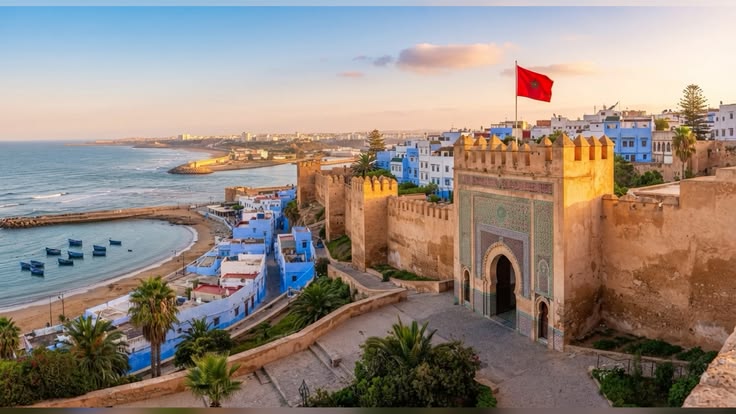
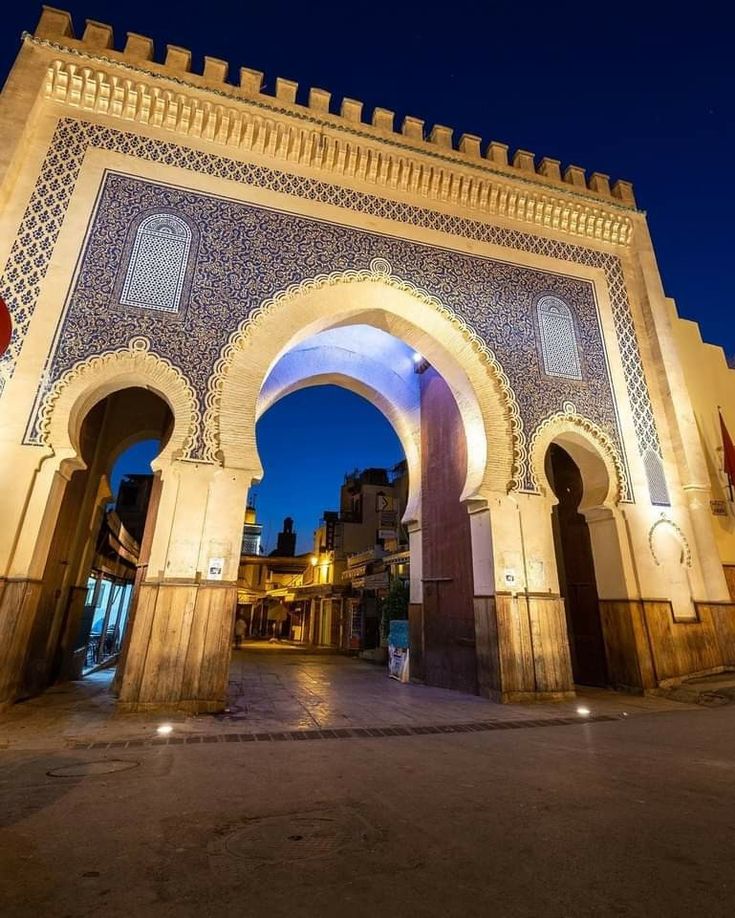
If you’re deciding Where to Go in Morocco, it helps to think in “learning zones” rather than isolated cities. The imperial cities (Fes, Meknes, Marrakech, Rabat) are ideal for history, architecture, religion, and craft traditions, because students can study urban design, souk systems, and historic institutions like madrasas. The north (Tangier, Tetouan, Chefchaouen) offers a Mediterranean rhythm and a strong gateway story—perfect for programs linking Europe, migration, trade routes, and cross-cultural identity.
Meanwhile, the High Atlas and Middle Atlas regions are ideal for geography, environment, and rural community studies, especially if students visit villages with local guides. The Sahara corridor (Merzouga/Erg Chebbi) adds desert ecology, water management, and cultural resilience, while the Atlantic coast (Essaouira, Agadir region) can support themes like fishing economy, music traditions, and coastal sustainability. Therefore, the best student itineraries combine at least three zones—city + mountains + desert or coast—so students experience Morocco’s diversity in a coherent storyline.
10-Day Morocco Student Tour Itinerary (Classic Learning + Sahara from Marrakech)
A strong 10-day structure for student groups often starts in Marrakech because it’s lively, well-connected, and easy to orient with a guided introduction. Days 1–3 can focus on medina systems, historical sites, and structured cultural activities like a cooking workshop or craft demonstrations, then transition into Sahara desert tours from Marrakech via the High Atlas and Aït Ben Haddou. From there, students travel through valley landscapes toward Merzouga for the dunes and a night in a camp, then return or continue depending on your route design and flight plan.
To keep this format student-friendly, build in regular breaks, early arrivals, and clear learning objectives each day. For example: a short reflective journaling session after a guided medina walk, a geography discussion at Atlas viewpoints, and a sustainability conversation about water in oasis valleys before the dunes. Additionally, choose camps and guesthouses with strong hygiene standards and predictable meal service to support student health and group discipline. Consequently, a 10-day plan can be both exciting and academically useful—if you protect pacing and avoid overloading driving hours.
14-Day Student Itinerary: North-to-South with Desert Tours from Tangier
A 14-day itinerary is ideal if your group wants a full north-to-south narrative and has time for both academic depth and rest. A common route is to begin with Desert Tours from Tangier logic: Tangier orientation + cultural gateway story, Chefchaouen for slower exploration and reflection, then Fes for deep medina learning and artisan culture. After that, students continue southeast to Merzouga, then travel through gorges/valleys toward Marrakech, where they finish with synthesis activities like presentations, group reflection, and final guided site visits.
This route works well for learning outcomes because it shows Morocco’s transitions: coastal north to imperial center, then mountain and oasis corridors, and finally Saharan landscapes before finishing in a modern tourism hub. Moreover, this structure reduces repetition, because you move forward rather than looping back. If you want the program to feel “integrated,” include at least one guided conversation with a local specialist (artisan, community guide, historian, or sustainability educator) in each major region. As a result, students see Morocco as a connected system rather than a list of attractions.
3 Weeks in Morocco Itinerary (Best for Universities + Deep Field Learning)
A 3 weeks in Morocco itinerary offers the best balance for serious academic programs, because it allows students to spend multiple nights in key locations and complete structured projects. A strong version begins in Casablanca or Rabat for orientation and contemporary Morocco themes (modern economy, urban planning, coastal identity), then moves north (Tangier/Chefchaouen) for cross-cultural context, then to Fes for intensive medina learning and craft economy study. Afterward, the route continues to Merzouga for a desert module, then crosses through southern valleys/kasbah landscapes to Marrakech, and finally ends with the Atlantic coast for a decompression and reflection phase.
This longer format also pairs naturally with Sahara Tours from Casablanca or Casablanca desert tours, because Casablanca works as an international arrival hub and can serve as the beginning or end of a loop. Importantly, three weeks does not mean “more destinations every day”; it means more time per destination, better sleep, more reflective learning, and stronger group management. Therefore, universities often prefer 3-week programs because students can complete interviews, site comparisons, and small research tasks without being constantly exhausted by transfers.
Desert Modules for Students: Fes vs Marrakech vs Casablanca (How to Choose)
Desert planning is usually the most complex part of student travel because distances are long and conditions vary by season. Morocco desert tours from Fes (including Fes desert tours) typically travel through the Middle Atlas and Ziz Valley corridor before reaching Merzouga, which is excellent for geography and landscape transition learning. In contrast, Marrakech desert tours often include the High Atlas crossing and kasbah routes like Aït Ben Haddou, which is powerful for heritage and trade-route storytelling. Therefore, the “better” option depends on what you want students to learn, not only where you want them to sleep.
For groups landing in Casablanca, Casablanca desert tours are usually part of a longer circuit because Casablanca is farther from Merzouga. However, Casablanca is convenient for international flights, so it can make sense as the start of an integrated program that includes Fes before the desert. If you want to avoid backtracking, consider one-way routing: for example, Fes → Merzouga → valleys → Marrakech, then fly out from Marrakech or return to Casablanca at the end. Consequently, good desert design is about route logic, realistic drive time, and ensuring students arrive to the dunes with energy for learning and reflection.
Budgeting Morocco Student Tours (Cost Drivers and Smart Savings)
Student travel budgets are usually shaped by three main factors: transport days, accommodation level, and whether you choose private vs shared travel. Private trips give you control but cost more per vehicle, while shared morocco group tours can lower cost per person but may reduce academic flexibility. In addition, desert modules raise costs because you need multi-day transport, camp accommodation, and additional logistics like 4×4 transfers or camel rides. Therefore, to build a stable budget, price your trip around the longest driving segment first, then fill in city days with the accommodation and activity level that fits your group.
To save money without reducing quality, prioritize value upgrades rather than luxury labels. For example, spend on safe, comfortable transport and reliable accommodation, then keep lunches simple and focus on learning activities that are low-cost but high-impact—guided medina walks, artisan workshops, market visits, and structured reflection sessions. Also, book earlier for peak seasons because good riads and quality camps can sell out, pushing groups into more expensive alternatives. As a result, the best budgets are the ones built around pacing and logistics, not only around nightly hotel pricing.
Accommodation + Food Strategy for Student Groups (Comfort, Safety, Routine)
Accommodation choice affects student behavior, safety, and overall program success. Riads inside medinas create cultural immersion and are excellent for learning, yet they require clear supervision rules because medina navigation can confuse younger travelers. Hotels outside the medina can be easier logistically, but they may reduce cultural exposure. Therefore, many school programs mix both: medina stays for learning-intensive days, then simpler roadside hotels on transfer days, plus a carefully chosen desert camp with strong hygiene and predictable meals.
Food planning is equally important because groups often include allergies, vegetarian needs, and students who are sensitive to new flavors. Moroccan cuisine can be student-friendly—tagines, couscous, grilled meats, salads, soups—yet you should communicate dietary needs in advance and avoid last-minute changes. If your program includes Morocco Family Tours style comfort expectations (even if it’s not a family trip), choose providers that can deliver consistent meal timing and clean facilities. Consequently, the smoother your routine (breakfast, water access, dinner timing), the more energy students have for learning activities.
Transport, Safety, and Duty of Care (Non-Negotiables for Student Tours)
For student travel, transport is not just convenience—it’s risk management. Choose licensed, experienced drivers, seat-belted vehicles, and realistic daily driving hours. Even when planning “adventure days,” keep safety structure: scheduled rest stops, clear meeting points, and a communication plan. Moreover, for school groups, you’ll usually need emergency contacts, insurance documentation, student medical info, and clear behavioral guidelines. Therefore, your tour partner should be comfortable working with institutions, not only with individual tourists.
Safety also includes smart itinerary design. Avoid arriving late at night to new cities, especially with large groups, and limit “free wandering” time in complex medinas unless students are mature and well-briefed. If you choose Small Group Morocco Tours for older students, confirm how the operator handles emergencies, group management, and supervision boundaries. As a result, the best Morocco student tours combine freedom and structure in a way that protects students while still allowing cultural discovery.
Authentic Morocco Travel Experiences for Students (Learning That Feels Real)
Authentic Morocco Travel Experiences are easier to create than many people think, as long as you plan for time and respect. Authenticity can be as simple as visiting an artisan workshop where students watch a craft process with explanation, then discussing how tourism impacts local economies. It can also include a cooking session focused on local ingredients, a guided food market walk, or a visit to a rural cooperative that explains regional agriculture and water use. In other words, authenticity comes from context and interaction, not from staged entertainment.
Additionally, authenticity must be responsible. Avoid activities that feel exploitative or that treat communities as “photo opportunities.” Instead, choose experiences where locals are compensated fairly, where students learn etiquette (asking before taking photos, dressing appropriately), and where the group’s presence is respectful. This is also where Authentic Small Group Morocco Tours can be useful: smaller groups often interact more naturally and cause less disruption. Consequently, authenticity in student travel is built through pacing, humility, and real educational framing.
Morocco Adventure Tours for Students (How to Add Activity Without Chaos)
Morocco adventure tours can work extremely well for student groups because outdoor activity boosts engagement and creates shared challenges that build group cohesion. Safe, student-appropriate adventure options include short hikes in the Atlas Mountains, gentle canyon walks in Todra Gorge, guided dune walks in Merzouga, and coastal activities like surfing lessons near Essaouira or Taghazout (depending on your route). However, adventure should be built into the itinerary with enough recovery time, because tired students lose focus and increase risk.
To keep adventure components smooth, choose one main “adventure module” per region rather than adding too many activities. For example, do one Atlas hike day, one desert dune day, and one coastal activity day, while protecting the rest of the schedule for cultural learning and rest. Also, confirm equipment needs, guide qualifications, and medical readiness before committing. As a result, adventure enhances your Morocco student tour rather than turning it into a disorganized rush from activity to activity.
How to Choose the Best Morocco Tours for Student Groups (Questions to Ask)
If you are searching for the best Morocco tours for students, focus on transparency and structure before you look at photos. Ask for a written itinerary with drive-time estimates, clear accommodation standards, meal inclusions, and a list of what is optional vs included. Then confirm group handling: maximum group size, guide language, whether the driver is also the guide, and what the emergency plan looks like. These details are especially important if you want Morocco Small Group Tours that still meet institutional standards.
Next, decide whether you need tailor made Morocco tours or if an existing route can be adapted. Many student programs benefit from custom design: museum time for history students, Arabic language practice sessions for language groups, sustainability discussions for environmental programs, or craft-economy visits for design students. This is where custom Morocco tours offer real value, because the itinerary becomes educational by design rather than educational by accident. Consequently, the right operator is the one who can build learning outcomes into logistics—not only provide transport and hotels.


