

Fes to Marrakech Desert Tour 3 Days: The Complete Sahara Route + Planning Guide
A Fes to Marrakech Desert Tour 3 Days is one of the most iconic overland journeys in Morocco because it connects two imperial cities through the real heart of the country. Instead of flying or repeating highways, you cross the Middle Atlas, enter oasis valleys, sleep near the dunes of Erg Chebbi, and then continue through dramatic gorges and kasbah landscapes before arriving in Marrakech. In other words, this is not “just a transfer”—it is a complete Morocco travel story compressed into three unforgettable days.
At the same time, a 3-day schedule needs smart planning because distances are long and timing matters. When the route is well designed, you still get golden-hour moments in the Sahara, comfortable breaks on driving days, and enough time to enjoy the scenery rather than rushing past it. Therefore, this guide explains the best day-by-day itinerary, how to choose between private travel and Morocco Small Group Tours, what the tour should include, and how this route fits into bigger plans like a 3 weeks in Morocco itinerary.
Why Choose a 3-Day Desert Tour from Fes to Marrakech?
Choosing a 3-day crossing is ideal when you want dunes, desert camp nights, and Morocco’s most scenic southern corridor, but you do not have a full week to travel slowly. This route is especially popular because it creates a one-way journey that avoids backtracking, which often saves time and reduces fatigue. Additionally, it naturally includes highlights that many travelers want anyway—Merzouga, Todra Gorge, Dades Valley, Ouarzazate, and Aït Ben Haddou—so the itinerary feels efficient rather than forced.
However, not every “3-day desert tour” is the same, and small details can change the experience dramatically. For example, late arrival in Merzouga can reduce sunset time, while a low-quality camp can turn the night uncomfortable. Consequently, the key is to book a route with realistic driving hours, clear inclusions, and a reliable operator, whether you choose a private car or join Small Group Morocco Tours that keep group sizes genuinely small.
What Makes This Route So Special (Beyond the Dunes)
The Sahara is often the headline, but the true magic is the variety. You start in the cultural depth of Fes and then travel through the Middle Atlas, where you may see cedar forests and cooler climates. After that, you descend toward palm oases like the Ziz Valley, which visually explains how water shapes life in the southeast. Finally, you reach Erg Chebbi, where the dunes rise like waves and the sky can feel impossibly wide.
Then, as you leave the desert behind, the landscapes change again, which is why this is one of Morocco’s best overland routes. Todra Gorge and Dades Valley add canyon walls, twisting roads, and valley viewpoints, while the approach to Marrakech introduces kasbah architecture and high mountain passes. As a result, this itinerary offers strong Authentic Morocco Travel Experiences because it includes not only famous landmarks, but also daily-life scenery—villages, fields, roadside markets, and the rhythm of travel itself.
Quick Overview: Fes → Merzouga → Dades → Marrakech (The Classic 3-Day Loop)
Most operators follow a “three-night structure” compressed into two overnights: Night 1 in a Sahara desert camp near Merzouga, and Night 2 in Dades Valley (or sometimes Tinghir). Day 3 continues via Ouarzazate and Aït Ben Haddou to Marrakech, crossing the High Atlas through the Tizi n’Tichka pass. This structure works because it breaks up the long distance into manageable segments and still protects the most important moments, especially desert sunset and sunrise.
Nevertheless, it is important to understand that day 1 is usually the longest drive, and that is unavoidable in a strict 3-day format. Therefore, the best tours make the driving meaningful with scenic stops, frequent breaks, and early departures from Fes. If you want more comfort, you can extend to 4 days, but if you are committed to three days, this guide will help you choose the smartest version of the route.
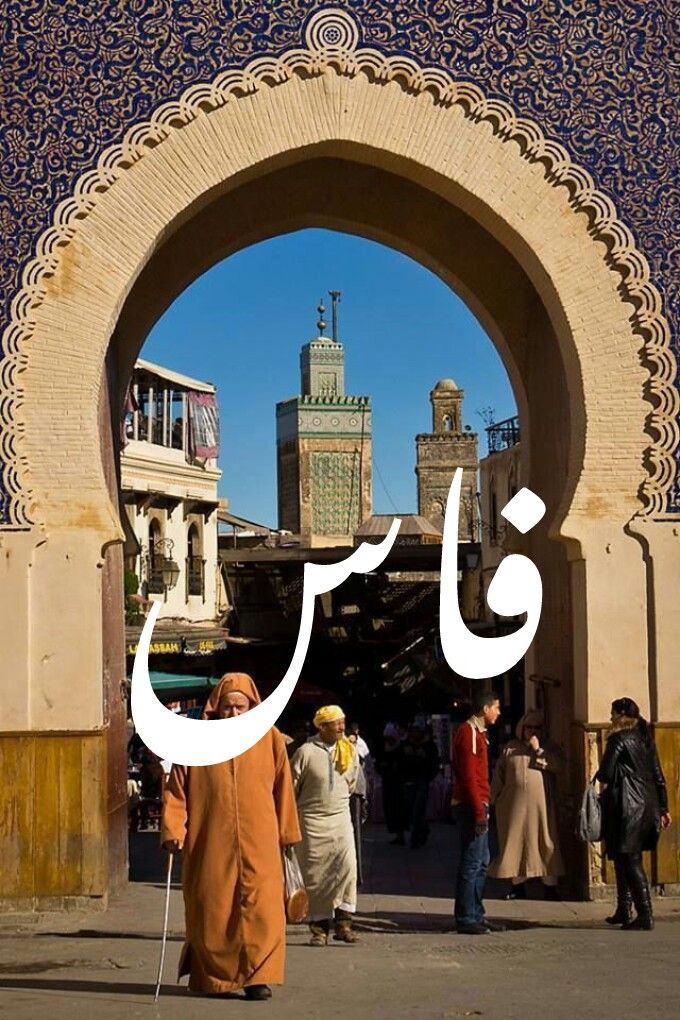
Tours From Fes :
Day 1 Itinerary: Fes → Middle Atlas → Ziz Valley → Merzouga (Erg Chebbi)
Day 1 typically begins early in Fes, because the goal is to reach Merzouga by late afternoon. You cross the Middle Atlas region, often passing Ifrane and the cedar forests near Azrou, then continue toward Midelt and the Ziz Valley. If timed well, the route becomes a gradual transition from green landscapes to arid terrain, which makes the Sahara arrival feel earned and dramatic rather than sudden.
Because this is the longest driving day, comfort strategies matter. Choose a tour that schedules breaks for viewpoints, short walks, and lunch in a reasonable place rather than a rushed roadside stop. Additionally, confirm whether your operator uses a camel trek or a 4×4 transfer into the dunes, and ask about timing for sunset. Morocco desert tours from Fes are at their best when day 1 feels like a scenic journey, not a stressful race.
Common Day 1 stops (may vary by operator):
- Ifrane (short stop)
- Azrou cedar forest (optional wildlife viewing)
- Midelt (lunch or break)
- Ziz Valley panoramic viewpoints
- Erfoud or Rissani (gateway towns)
- Merzouga / Erg Chebbi arrival
Day 1 Desert Evening: Camel Trek (Optional) + Sunset + Camp Night
Once you arrive in Merzouga, most tours transfer you into the dunes before sunset. Camel trekking is the classic option, but many travelers prefer a 4×4 transfer for comfort, or a mixed approach (camel one way, 4×4 return). The best operators explain these options clearly and match the route to your needs, especially if you are traveling with children or anyone with mobility concerns.
After sunset, you reach camp for dinner and an overnight in the desert. This is where the experience becomes deeply memorable, because the Sahara’s stillness changes the mood after a long travel day. However, camp standards differ widely, so ask about private bathrooms, bedding quality, and cold-night solutions in winter. If you are looking for best Morocco tours, treat the camp choice as a priority, because your comfort and the authenticity of the night depend on it.
Day 2 Itinerary: Merzouga → Rissani/Erfoud → Todra Gorge → Dades Valley
Day 2 usually begins with sunrise over Erg Chebbi, followed by breakfast and the transfer back to Merzouga. The early light can be magical, and it is often the quietest moment of the entire tour. Then, the route continues west toward Tinghir and Todra Gorge, where the landscape shifts from dunes to canyon walls, palm groves, and valley settlements.
After Todra Gorge, most itineraries continue to Dades Valley for the second overnight. This is a smart logistical choice because it shortens day 3 driving and adds another highlight region to your route. Moreover, Dades is visually impressive, with winding roads, layered rock formations, and panoramic viewpoints. Consequently, day 2 often feels like the “best variety day” because it blends desert atmosphere, canyon scenery, and valley comfort without the extreme distance of day 1.
Common Day 2 highlights:
- Sunrise in Erg Chebbi
- Rissani market area (timing dependent)
- Tinghir oasis landscapes
- Todra Gorge walk
- Dades Valley viewpoints / “Monkey Fingers” area (route dependent)
Day 2 Night: Dades Valley Stay (Why It Matters for Pace and Comfort)
Sleeping in Dades Valley is not just a convenient stop; it is a quality upgrade for your overall route. After two big travel days, Dades offers a calmer environment, cool evening air, and scenic terraces where you can finally slow down. Many travelers remember Dades not because it is famous, but because it provides a peaceful reset that makes day 3 feel enjoyable rather than exhausting.
Additionally, Dades accommodations often range from simple guesthouses to more comfortable boutique stays, which means you can adjust your budget and comfort level. If you are booking tailor made Morocco tours or custom Morocco tours, you can request a specific lodge style, dinner preferences, and room setup for families. As a result, night 2 is where a rushed tour becomes a balanced journey, even within a tight 3-day schedule.
Day 3 Itinerary: Dades → Ouarzazate → Aït Ben Haddou → High Atlas → Marrakech
Day 3 usually starts with a drive toward Ouarzazate, often with scenic valley views and optional stops like Skoura oasis depending on the route. Then you reach Aït Ben Haddou, Morocco’s most famous ksar, where you can explore the fortified village and climb for panoramic views. If your schedule allows, visiting earlier in the day helps avoid heat and crowds, which improves the experience significantly.
After Aït Ben Haddou, the tour crosses the High Atlas Mountains via Tizi n’Tichka on the way to Marrakech. This mountain pass can be slow due to traffic and road conditions, but it is also one of the most scenic stretches of the trip. Finally, you arrive in Marrakech by late afternoon or evening depending on timing and stops. Consequently, day 3 feels like a grand finale: kasbah history, cinematic landscapes, and a mountain crossing that signals your return to city energy.
Common Day 3 highlights:
- Ouarzazate region viewpoints
- Aït Ben Haddou guided or self-guided visit
- Tizi n’Tichka pass (High Atlas crossing)
- Arrival in Marrakech (drop-off at riad/hotel)
What’s Usually Included in a Fes to Marrakech Desert Tour 3 Days
Most reputable tours include private or shared transport, an English-speaking driver (or driver-guide), accommodation for two nights (desert camp + Dades/Tinghir hotel), dinners and breakfasts, and either a camel trek or a 4×4 transfer for the camp night. However, inclusions differ, so the best approach is to request a written itinerary that lists exactly what is included and what is optional. This is especially important if you are comparing offers between private packages and morocco group tours.
Also check what is not included, because “hidden costs” are common in travel packages worldwide. Lunches are often excluded, and entrance fees or local guiding in Aït Ben Haddou may be optional. Tips are also usually not included. Therefore, transparent operators stand out because they clarify these details upfront, which is one of the best signals that you are dealing with a quality provider rather than a low-price surprise.
Private vs Morocco Small Group Tours: Which Option Fits You Best?
Private tours offer control, comfort, and flexibility. You can start earlier, stop longer at viewpoints, and avoid rushed shopping stops that sometimes appear in shared itineraries. Private travel is also ideal for photographers, couples, and families who need frequent breaks or want specific accommodations. In many cases, private travel becomes the simplest way to ensure a smooth 3-day crossing with minimal stress.
On the other hand, Morocco Small Group Tours can be excellent value, especially for solo travelers or couples who want to share costs and meet others. A small group format can still feel personal when group sizes are limited and accommodations are chosen well. However, “small group” can mean different things, so ask for the maximum number of travelers and the vehicle type. If you specifically want Authentic Small Group Morocco Tours, confirm that the itinerary prioritizes cultural pacing rather than forced shopping.
Authentic Morocco Travel Experiences on This Route (How to Make It Feel Real)
Authenticity is not something you “add” with a label; it is something you design through pace and respect. For example, stopping in the Ziz Valley to understand oasis agriculture, visiting Todra Gorge with time for a calm walk, and choosing a camp that values quiet stargazing can all feel more authentic than a schedule that rushes between souvenir stops. In addition, real authenticity often comes from small interactions—sharing tea, learning greetings, and listening to local explanations of daily life.
Moreover, authenticity requires responsibility. Ask permission before photographing people, dress appropriately in villages, and avoid activities that feel exploitative. If you want deeper context, choose guides who explain Amazigh culture, caravan history, and how desert communities manage water and weather. This is why Authentic Morocco Travel Experiences are often strongest in small-group or private formats, because there is time for conversation rather than constant motion.
Morocco Family Tours: Is This 3-Day Desert Crossing Good for Families?
A 3-day Fes-to-Marrakech crossing can work for families, but it depends on your children’s age and comfort with long driving days. Day 1 is especially long, so families should choose a tour with regular breaks, comfortable vehicles, and realistic timing. Additionally, families should consider whether a camel ride is appropriate, because some kids love it while others find it uncomfortable. A 4×4 transfer can be an easier alternative, and good operators will offer it without pressure.
If you are planning Morocco Family Tours, consider upgrading the camp to a comfort or luxury option with private bathrooms, better insulation, and clearer hygiene standards. Also pack snacks, layers for cold nights, and sun protection for day stops. If your family wants a slower pace, a 4-day version is often the better choice. However, if three days is your limit, careful planning can still create a smooth, memorable family adventure.
Morocco Adventure Tours: How to Add More Action Without Losing Comfort
This route is naturally adventurous because it covers mountains, dunes, gorges, and high passes. Still, if you want a stronger “active” focus, ask about dune walking, sandboarding, or short 4×4 excursions around Merzouga, depending on season and availability. Many travelers also enjoy a longer walk in Todra Gorge or short hikes in Dades viewpoints, which add movement without requiring special fitness.
However, adventure works best when it is balanced with rest. Overloading a 3-day tour with too many activities can reduce enjoyment and increase fatigue, especially since drive time is already significant. Therefore, treat this as a scenic adventure rather than a high-intensity sports trip, unless you extend to 4–5 days. In that case, Morocco adventure tours can be expanded to include extra hiking or an additional desert region day while keeping comfort stable.
Best Time to Do This Tour (Season-by-Season Reality)
Spring (March–May) and autumn (September–November) are usually the best seasons for a 3-day crossing because temperatures are comfortable across most of the route. You can enjoy walks in Todra Gorge and Dades without extreme heat, and desert nights are cooler but manageable. These seasons also offer excellent light for sunrise and sunset, which matters because golden-hour moments are a major reason people take this journey.
Winter can be beautiful, yet desert nights can be very cold, so camp quality and warm clothing become essential. Summer can be extremely hot in the southeast, which makes long drives and outdoor stops harder, particularly for families and older travelers. Therefore, if you travel in summer, schedule early departures and choose higher comfort accommodation. Regardless of season, always plan for temperature swings because the desert can feel warm at midday and cold after dark.
What to Pack for a 3-Day Fes to Marrakech Desert Tour
Pack for comfort across multiple climates: cool mornings in the Middle Atlas, sun exposure in the southeast, and cold desert evenings in some seasons. Bring light layers, a warm jacket or fleece, closed shoes for walking, and sandals for camp comfort. Also bring sunglasses, sunscreen, lip balm, and a scarf (useful for dust, sun, or wind). In addition, keep a small day bag with water and essentials because you will not want to access your main luggage constantly.
Also pack with camp logistics in mind. Many camps require a transfer where large suitcases stay in the vehicle, so bring a small overnight bag with toiletries, wet wipes, a flashlight or headlamp, and a portable charger. If you are traveling in winter, add warm socks and thermal layers because desert cold can surprise people. Consequently, packing correctly is one of the easiest ways to upgrade your experience without spending more money on the tour itself.
How Much Does This Tour Cost? (And What Changes the Price)
Pricing depends on whether you choose private travel or group travel, the number of travelers, vehicle quality, and accommodation category. Shared trips often cost less per person because transport is split, which is why many travelers choose Small Group Morocco Tours for value. Private tours cost more, but they offer better timing control and often better comfort, especially for families or travelers with specific needs. Camp category matters a lot as well, because luxury camps with private bathrooms can raise the cost but also improve sleep quality.
To compare fairly, evaluate inclusions rather than headline price. One tour may include camel trekking, dinners, and a comfort camp, while another may exclude key items and charge extras later. Ask for a clear breakdown: number of nights, accommodation names or categories, meals included, camel or 4×4 transfers, and any optional fees. As a result, you avoid “cheap but incomplete” offers and choose a tour that matches your real expectations and budget.
How This Route Connects to Marrakech Desert Tours (And Why That Matters)
After arriving in Marrakech, many travelers continue exploring the south or take additional desert-related experiences closer to the city. Marrakech desert tours can include day trips to Agafay or longer Sahara routes that loop back south, depending on available days. If you have already done Fes → Merzouga → Marrakech, you may not need another long Sahara loop. However, you might still enjoy shorter experiences like a relaxing desert day trip near Marrakech or an Atlas Mountains excursion.
If you are comparing routes before booking, remember that this 3-day crossing is essentially a Sahara tour plus a full southern corridor journey. Meanwhile, Sahara desert tours from Marrakech often focus on Marrakech as the start and end point, which can create extra backtracking if you also want to visit Fes. Therefore, the Fes-to-Marrakech one-way desert tour is often the most efficient option if you want both cities and the Sahara in a single continuous itinerary.
How It Links with Casablanca Desert Tours and Sahara Tours from Casablanca
Many travelers land in Casablanca because of international flight convenience, and that is where Casablanca desert tours and Sahara Tours from Casablanca become relevant. Typically, Casablanca routes include Rabat and Fes before heading to Merzouga, then continue toward Marrakech. In that context, the Fes-to-Marrakech 3-day segment is essentially the “core desert crossing” inside a longer circuit.
Therefore, if you are building a bigger Morocco plan, you can treat this itinerary as the central block between northern cities and Marrakech. Casablanca is far from Merzouga, so full Casablanca desert tours usually require more days. However, they can be highly convenient for travelers who want a complete loop that starts at the main international airport. Consequently, understanding how this 3-day segment fits into a Casablanca-based plan helps you build a route that is logical instead of repetitive.
Desert Tours from Tangier: When a North-to-South Route Makes Sense
If your trip starts in the far north, Desert Tours from Tangier often pass through Chefchaouen and Fes before continuing to Merzouga and then Marrakech. That creates a very coherent north-to-south journey, especially if you want to experience multiple “faces” of Morocco in one trip. Tangier routes are longer, but they can be deeply satisfying because they show Morocco’s transitions from Mediterranean influences to imperial city culture and then into Saharan landscapes.
However, Tangier-to-desert routes require sufficient time, otherwise they can feel rushed. If you only have a week, you may need to choose between the north and the Sahara rather than forcing both. If you have 10–14 days or more, Tangier becomes a strong entry point for a full cross-country storyline. As a result, this Fes-to-Marrakech 3-day crossing can still be the central Sahara segment inside a longer Tangier-to-Marrakech journey.
Where to Go in Morocco After This Tour (Best Next Steps)
After completing this route, you are perfectly positioned to explore Marrakech properly, because you arrive with the Sahara already done. From Marrakech, many travelers go to Essaouira for coastal rest, to the High Atlas for village walks, or to continue deeper into Morocco’s south depending on time. If you are asking Where to Go in Morocco next, choose based on energy: coast for recovery, mountains for nature, or more city time for shopping and food experiences.
If you are building a longer itinerary, avoid adding too many long drives immediately after finishing this tour, because three days on the road can be tiring. Instead, schedule at least one “slow day” in Marrakech: hammam, gardens, rooftop meals, and light sightseeing. Consequently, you improve your overall trip satisfaction because you balance big transit days with calm, enjoyable urban time.
How This Fits into a 3 Weeks in Morocco Itinerary (Example Structure)
A 3 weeks in Morocco itinerary is long enough to include the north, Fes, the Sahara crossing, and the coast without rushing. A logical route is: Casablanca → Rabat → Tangier → Chefchaouen → Fes, then complete the Fes to Marrakech Desert Tour 3 Days segment, then spend several days in Marrakech and finish with Essaouira before returning to Casablanca or flying out of Marrakech. This structure reduces backtracking and keeps the story coherent from north to south.
With three weeks, you can also upgrade the pace by adding extra nights around Merzouga or Dades, which improves comfort and deepens the experience. That is especially useful if you want more Authentic Morocco Travel Experiences, because slower travel creates time for markets, workshops, and meaningful conversations with local guides. Consequently, three weeks is often the “sweet spot” for travelers who want Morocco to feel immersive rather than rushed.


