

Ultimate 13 Days Morocco Tour: A Complete Itinerary for Cities, Sahara Desert, and Authentic Experiences
A well-designed 13 days Morocco tour is long enough to experience Morocco’s most iconic contrasts without turning your trip into a race. Over nearly two weeks, you can move from Atlantic-city energy to blue mountain towns, then into the medieval heart of Fes, and finally into the vast silence of the Sahara before returning to Marrakech’s color and creativity. Most importantly, 13 days gives you time to slow down inside the places that matter, which is where Morocco becomes memorable rather than merely impressive.
At the same time, Morocco is a country where routing is everything. Because distances are larger than they appear on a map, a coherent itinerary depends on choosing a smooth loop or a smart one-way route, not a collection of disconnected “must-sees.” That is why this blog guide focuses on flow, comfort, and realism, while still delivering the kind of highlights people expect from the best Morocco tours.
Why 13 Days Is a Sweet Spot for Morocco (Not Too Short, Not Too Long)
Thirteen days is ideal because it balances depth and variety in a way that shorter trips struggle to achieve. In one itinerary, you can explore two major medinas, cross the Atlas Mountains, and spend real time in the desert rather than doing a rushed overnight. Additionally, you can include a coastal break at the end, which is a simple way to recover from the sensory intensity of the big cities and the long scenic drives.
Just as importantly, 13 days gives you flexibility in travel style. It’s a great length for Morocco Small Group Tours because the schedule can include guided days plus free time, which keeps the group energized and reduces fatigue. However, it’s also perfect for custom Morocco tours and tailor made Morocco tours, because you can personalize the pace—adding photography stops, food experiences, or an extra riad night—without sacrificing the “complete Morocco” story.
Where to Go in Morocco for 13 Days: The Route Logic That Works Best
If you’re wondering Where to Go in Morocco for a 13-day trip, a classic and coherent route is: Casablanca (or Rabat) → Chefchaouen → Fes → Sahara (Merzouga) → Dades/Skoura region → Ait Ben Haddou/Ouarzazate → Marrakech → Essaouira → departure. This routing works because it gradually moves from urban to rural to desert, then finishes with a relaxed coastal tone, which is exactly how many travelers want the trip to “feel.”
Moreover, this itinerary is flexible with flights. You can start in Casablanca because it’s a major international gateway, or begin in Tangier if you’re arriving from Spain and considering Desert Tours from Tangier as part of a longer north-to-south traverse. Either way, the goal stays the same: reduce backtracking, keep drive days reasonable, and sequence your experiences so every new place feels like a clear next chapter.
Day 1: Arrive in Casablanca and Set the Tone (Atlantic Morocco + First Impressions)
Casablanca is Morocco’s modern face, and it’s a strong place to land because it’s straightforward, coastal, and less overwhelming than a first-day medina. Spend the afternoon seeing the Hassan II Mosque and walking the corniche, then ease into Moroccan cuisine with a calm first dinner rather than a late-night sprint. This day is about arriving smoothly, exchanging currency, and letting your body adjust so the trip starts with energy instead of stress.
If you’re already thinking ahead to the Sahara, Casablanca is also a practical launch point for broader circuits. Many travelers book Casablanca desert tours that begin with Casablanca’s highlights and then move inland through Rabat and Fes before reaching the dunes. In fact, if your flights and timing align, Sahara Tours from Casablanca can be an efficient way to connect Morocco’s Atlantic identity with its desert interior without wasting days on complicated logistics.
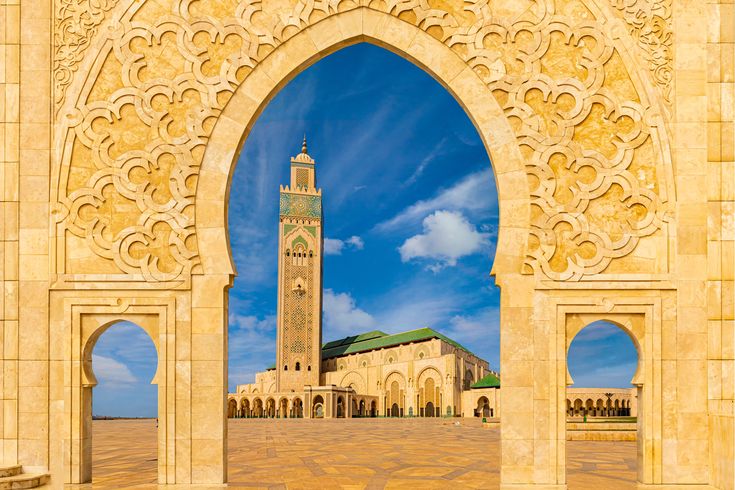
Day 2: Casablanca to Rabat, Then Continue Toward the North
Start with a short drive to Rabat, Morocco’s capital, where the atmosphere is calmer and more spacious than the country’s busiest tourist cities. Visit key sites like the Hassan Tower area and the Kasbah of the Udayas, then enjoy a slower lunch because this is one of the easiest days logistically. Rabat’s relaxed pace is the perfect transition from Casablanca’s modern energy into the older, more layered Morocco you’ll experience next.
Afterward, continue north depending on your preferred pacing. Some travelers push all the way to Chefchaouen to maximize time in the blue city, while others break the journey with a quieter overnight if they want less driving in one day. Either approach can work, yet the best plan is the one that keeps you comfortable, because a 13 days Morocco tour should feel immersive and steady, not like you’re constantly catching up.
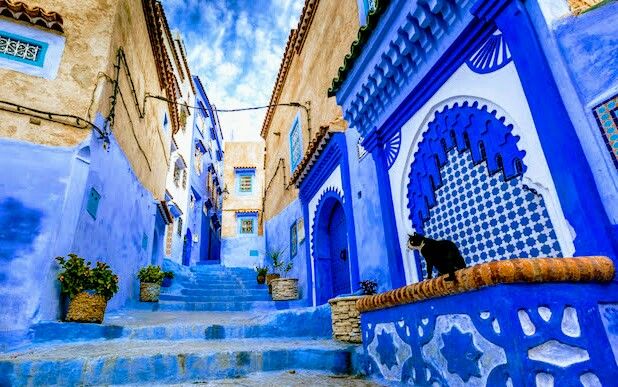
Day 3: Chefchaouen—Blue Streets, Viewpoints, and a Slower Morning
Chefchaouen is famous for its blue-washed lanes, but the real joy here is not simply taking photos; it’s the relaxed rhythm compared to bigger medinas. Wake up early for softer light, wander without a strict agenda, and let the town’s small scale work in your favor. Because the streets are easier to navigate, this is a great place to practice medina confidence before you reach Fes, where the old city can feel more intense.
Later in the day, climb to a viewpoint for panoramic views, then return for a long tea break and an unhurried dinner. Chefchaouen also helps your itinerary breathe, which is essential for coherence and enjoyment. When travelers say they want Authentic Morocco Travel Experiences, they often mean this feeling: time to observe daily life, not just time to check landmarks off a list.
Day 4: Chefchaouen to Volubilis and Meknes, Then Onward to Fes
Leave Chefchaouen and head toward Volubilis, the Roman ruins that offer an entirely different layer of Moroccan history. The site is open and scenic, and it’s easy to enjoy because the layout is visible at a glance, especially after a guide explains the major mosaics and structures. From there, continue to Meknes for a short stop that adds imperial-city context without demanding a full extra day.
By late afternoon, arrive in Fes and settle into a riad inside or near the medina so tomorrow’s exploration feels simple. This sequencing works well because it transitions you from the peaceful north into Morocco’s most historically dense city at a comfortable pace. Additionally, it prepares you for one of the most rewarding parts of any best Morocco tours circuit: spending enough time in Fes to understand it rather than just passing through.
Day 5: Fes—Guided Medina Discovery and Cultural Depth
Fes is best experienced with a guide at least once, because the medina is a living labyrinth of neighborhoods, workshops, and religious schools. A guided walk brings clarity: you learn what you’re seeing, why it matters, and how the city’s history shaped the crafts and social life still visible today. You can explore artisan quarters, historic madrasas, and panoramic viewpoints, then end the day with free time so the experience stays personal rather than overly programmed.
This is also a day where pacing is crucial. Instead of stacking nonstop stops, leave space for a long lunch, a café break, and a relaxed evening back at the riad to process the sensory overload. Many Small Group Morocco Tours plan Fes this way because it keeps travelers engaged, and it’s also how Authentic Small Group Morocco Tours protect the “human” side of travel: learning, resting, and exploring at a realistic rhythm.
Day 6: Fes to the Sahara Gateway—A Scenic Transition Into Desert Landscapes
Today begins the desert chapter, and this is where Morocco desert tours from Fes shine. As you head south, the landscape changes dramatically, moving through Middle Atlas scenery, forests, and high plains before opening into more arid terrain. Because the road day is long, the best approach is to treat it as a scenic journey rather than a “transfer,” with planned stops that keep the group comfortable and make the day feel purposeful.
By evening, you’ll reach the desert gateway area, often around Merzouga, where the dunes begin to rise beyond the last clusters of buildings. This is the day many travelers remember as the moment Morocco “turns cinematic,” because the horizon starts to widen and the air feels different. If your trip is marketed as Fes desert tours, this is the day where the promise becomes real—provided the itinerary allows enough daylight to enjoy the arrival rather than rushing straight into bedtime.
Day 7: Sahara Experience Day—Dunes, Sunset, and Desert Night
A real Sahara day should feel spacious, not squeezed between two exhausting drives. Spend time enjoying the dunes in a way that matches your energy, whether that means a gentle walk, a guided excursion to nearby desert points, or simply sitting and watching the light shift across the sand. When the pace is right, the desert becomes the quiet counterbalance to medina intensity, which is exactly why so many travelers prioritize it on a 13 days Morocco tour.
As sunset approaches, the experience becomes less about “doing” and more about feeling the environment: cooler air, deeper colors, and a sky that seems to expand. Overnight, a well-run camp combines atmosphere with practical comfort, so you can rest and enjoy the evening without uncertainty. This is where the best itineraries deliver on what people imagine when they research desert trips—whether they started with Sahara desert tours from Marrakech in mind or arrived here through the north via Fes.
Day 8: Sahara to Todra Gorge and the Dades Valley—Desert to Canyon Landscapes
Leave the dunes behind and travel toward Todra Gorge, where the scenery shifts from sand to stone. This change is one of Morocco’s greatest strengths, because the country offers multiple “deserts,” not only dunes. The gorge is an easy place to stretch your legs, walk along the river corridor, and enjoy a different kind of silence—cooler, narrower, and framed by dramatic rock walls.
Later, continue into the Dades Valley region, which is known for its layered geology and kasbah villages. A night here breaks up the drive toward Marrakech and keeps the itinerary coherent, because it turns the return from the desert into a series of scenic chapters rather than one long push. For travelers interested in Morocco adventure tours, this area also offers optional short hikes and viewpoints that make the day more active without adding extreme difficulty.

Day 9: Dades to Ouarzazate and Ait Ben Haddou—Kasbah Heritage and Film Landscapes
Today is about Morocco’s kasbah corridor, where earthen architecture and historic fortress villages explain centuries of trade and defense routes. Ouarzazate is often associated with film studios and desert-edge landscapes, yet the real value of this region is how it connects Morocco’s interior stories: Amazigh heritage, caravan routes, and mountain-to-desert transitions. The drive itself is scenic, and it’s far more enjoyable when you stop strategically rather than racing toward Marrakech.
By afternoon, visit Ait Ben Haddou, Morocco’s most famous ksar, and explore it at a relaxed pace so you can appreciate the details beyond the classic viewpoint. This is a place where timing matters, because late-day light can transform the colors of the architecture and hills. It’s also a natural bridge day in the itinerary, because it sets up an easy crossing back to Marrakech tomorrow, keeping your 13 days Morocco tour structured and satisfying.
Day 10: Cross the High Atlas to Marrakech—A Dramatic Arrival Into Morocco’s Most Iconic City
Crossing the High Atlas is a highlight, not merely a route between places. The mountains create a sense of scale, and the descent toward Marrakech feels like returning to a different world: warmer air, busier streets, and a city that runs on energy and contrast. Arrive with enough time to check in, rest briefly, and then experience your first Marrakech evening, because the city’s atmosphere is often most vivid as daylight fades.
Marrakech is also the country’s most popular hub for desert routes, so it’s worth noting how your itinerary compares to classic Marrakech desert tours. Many visitors do Sahara desert tours from Marrakech as a round trip, yet your 13-day route often feels more coherent because you experienced the desert as a true mid-journey chapter rather than a rushed out-and-back. Consequently, the story of the trip feels like a progression, which is exactly what good tour design aims for.
Day 11: Marrakech Sightseeing—Palaces, Gardens, and Medina Orientation
Marrakech can be intense, so start with a guided orientation walk that helps you understand the medina’s layout, key areas, and practical tips. After that, explore major sites—palaces, gardens, and historic spaces—in a way that matches your interests, because there is no single “correct” Marrakech day. The best approach is often a blend: one or two main visits, then time to wander souks, discover cafés, and enjoy the city’s creative side.
Later, slow down intentionally, because Marrakech rewards travelers who manage their energy. A hammam break, a rooftop sunset, or a calm dinner outside the busiest squares can transform how you feel about the city. This is also where morocco group tours and Morocco Small Group Tours differ in quality: the best ones give you structure without over-controlling your free time, so Marrakech feels exciting rather than exhausting.
Day 12: Marrakech to Essaouira—A Coastal Reset After the Interior
Essaouira offers a completely different Morocco: sea air, softer light, and a medina that feels easier to navigate. The drive is straightforward, and arriving at the coast often feels like exhaling after the interior’s intensity. Spend your afternoon walking the ramparts, exploring artisan shops, and tasting seafood, because this is a place where simple pleasures are the main attraction.
Additionally, Essaouira improves the overall coherence of your itinerary. By placing a coastal day near the end, you give yourself recovery time, which makes the entire trip feel more comfortable and balanced. For families, this pacing is especially valuable, which is why many Morocco Family Tours include a coastal element if time allows—kids and adults alike tend to enjoy the calmer rhythm and open spaces.
Day 13: Return and Departure—Flexible Endings From Marrakech or Casablanca
On your final day, you can return to Marrakech for departure, or you can route back toward Casablanca depending on flights. The key is to plan the end thoughtfully so you’re not doing a stressful cross-country dash on the last morning. If you need to be in Casablanca, consider an overnight near the airport the night before, or build a buffer morning so the end of your 13 days Morocco tour feels smooth and controlled.
This is also a good moment to think about “what’s next,” because many travelers finish this itinerary already dreaming of a return. Some extend north to Tangier, especially if they are curious about a longer traverse connected to Desert Tours from Tangier, while others plan a deeper desert-focused future trip. Either way, the best tours leave you satisfied yet inspired, which is a strong signal that the route and pacing worked.
Casablanca vs Marrakech vs Fes vs Tangier: Choosing the Best Desert Departure City
Morocco’s desert can be reached from several starting points, and choosing the right departure city depends on your route, not only your preference. If you’re short on time and want a classic circuit, Marrakech is often the most popular base for desert trips, which is why Marrakech desert tours dominate search results. However, routes from Fes can feel more varied geographically, and they often connect better to a north-to-south itinerary like the one in this blog.
If you’re arriving internationally through Casablanca, it can still make sense to connect to the Sahara, especially with enough days to travel comfortably. That’s why both Casablanca desert tours and Sahara Tours from Casablanca exist as longer, fuller circuits that include major cities before reaching the dunes. Meanwhile, starting from Tangier is best for travelers who want a top-to-bottom Morocco experience and are willing to commit to longer distances, making Desert Tours from Tangier a natural fit for extended itineraries rather than quick getaways.
Small Group Morocco Tours vs Private Tours: Which Fits a 13-Day Trip Best?
A 13-day trip is long enough that group dynamics matter, so choosing the right format can change your entire experience. Small Group Morocco Tours work well because they combine social energy with flexibility, and they often keep travel days smoother by using manageable group sizes and consistent logistics. Additionally, small groups tend to access riads and experiences that feel more personal, which aligns well with the kind of depth travelers expect from nearly two weeks on the road.
On the other hand, private travel can be the best choice if you know exactly how you like to travel. Custom Morocco tours and tailor made Morocco tours are ideal when you want slower mornings, specific accommodations, or themed experiences like food, photography, or architecture. If your priority is cultural depth, then Authentic Small Group Morocco Tours can also be a strong middle path, delivering guided context and real-world flexibility without the higher cost of fully private planning.
Making It More Authentic: Simple Choices That Create Authentic Morocco Travel Experiences
Authenticity in Morocco often comes from the smallest decisions rather than the grandest attractions. Staying in locally run riads, eating where locals eat, and choosing experiences that explain culture rather than staging it can make your trip feel real and respectful. For example, a well-guided medina walk that teaches you how neighborhoods function can be more meaningful than five rushed monument stops, because it turns “sightseeing” into understanding.
Equally important, authenticity requires time and space. When you schedule fewer mandatory activities and allow more wandering, you give Morocco a chance to meet you naturally through everyday moments: morning bread deliveries, craftsmen at work, kids playing in alleyways, and evening café life. That is why the best-designed 13 days Morocco tour itineraries protect downtime, because Authentic Morocco Travel Experiences rarely happen when every minute is controlled.
Family, Adventure, and Special Interests: How to Adapt This 13-Day Route
If you’re traveling with children or teens, the route remains strong, yet the daily rhythm should be adjusted for comfort. Morocco Family Tours typically shorten certain sightseeing blocks, add earlier dinners, and prioritize accommodations with calm spaces to recharge. As a result, everyone enjoys the experience more, and the trip feels like a shared adventure rather than a test of endurance.
If you want a more active trip, this itinerary can also lean into hiking, cycling, or longer walks in the mountains and valleys. That’s where Morocco adventure tours fit naturally, especially around the Atlas, Todra, and Dades regions where landscapes invite movement. The key is to keep the itinerary coherent by swapping activities within the same geography rather than adding faraway detours, so you gain intensity without losing flow.
Extending Beyond 13 Days: How This Becomes a 3 Weeks in Morocco Itinerary
Many travelers realize that 13 days is “almost enough,” especially if they fall in love with Morocco’s slower moments. Extending this plan into a 3 weeks in Morocco itinerary often means adding more time in the north, expanding coastal stays, and including extra nights in the desert gateway regions so drives feel easier. With three weeks, you can also slow down in Fes and Marrakech, which changes those cities from “highlights” into places you truly inhabit.
Additionally, longer itineraries give you space to explore regions that 13 days can’t comfortably fit, such as deeper Atlantic coast segments or more northern culture beyond Chefchaouen. This is also where more specialized travel becomes realistic, whether you want a food-focused route, an artisan and textiles theme, or a multi-sport plan. If you loved the structure of a nearly two-week circuit, three weeks simply adds breathing room, which often makes Morocco feel even more authentic.


