

Best Time to Visit Morocco: The Ultimate Month-by-Month Travel Guide
The best time to visit Morocco depends on what you want to experience. Spring and autumn are often excellent for combining imperial cities, the Atlas Mountains, and the Sahara. However, summer can be ideal for a coastal escape, while winter offers cooler city sightseeing and clear days in the desert. With the right route, Morocco can be rewarding throughout the year.
This guide explains Morocco’s seasons, regional weather, and travel considerations month by month. You’ll also discover when to plan a Sahara tour, where to go for hiking or beach days, and how to adjust a family, group, or private itinerary. Because weather varies from year to year, use these patterns as a planning guide and check local forecasts before you travel.
When Is the Best Time to Visit Morocco?
For many first-time travelers, March to May and September to November offer a useful balance of comfortable conditions across several regions. During these months, daytime temperatures are often pleasant for exploring Marrakech and Fes, walking through valleys, and spending time near the Sahara dunes. Even so, conditions can differ considerably between the coast, the mountains, and inland cities.
If you have a specific goal, another season may suit you better. For example, summer travelers may prefer Essaouira or the Atlantic coast, while winter visitors might enjoy exploring Marrakech without intense heat. Therefore, rather than choosing a month based only on a general recommendation, consider your preferred activities, your tolerance for heat or cold, and how much time you have available.
Morocco’s Climate: Why the Weather Changes by Region
Morocco has several distinct climate zones. The Atlantic coast is generally moderated by the ocean, while interior cities can experience hotter summers and colder winter nights. The Sahara has its own rhythm, with strong daytime heat in warmer months and potentially cold nights in winter. Meanwhile, the Atlas Mountains can be much cooler than nearby cities, especially at higher elevations.
As a result, a single packing list rarely suits every itinerary. A traveler visiting Marrakech, the High Atlas, and Merzouga in one week may need sun protection, comfortable walking clothes, and warm layers. Similarly, rain or snow in the mountains can affect road conditions even when the weather is pleasant elsewhere. Check forecasts for each destination, not just for your arrival city.
Where to Go in Morocco Depending on the Season
When deciding Where to Go in Morocco, think of the country as a collection of different seasonal destinations. In spring and autumn, a broad route through Marrakech, Fes, the mountains, and the Sahara is often practical. During summer, the Atlantic coast and suitable higher-altitude areas can provide relief from interior heat. However, mountain conditions still require research, particularly if you plan a demanding hike.
In winter, cities such as Marrakech, Fes, and Rabat can be appealing for sightseeing, while the desert offers mild days on many dates and colder nights. Northern areas can receive more rain, and high mountain routes may experience snow. Ultimately, the best itinerary is one that adjusts to regional conditions instead of assuming the whole country has the same weather.
Visiting Morocco in Spring: March to May
Spring is one of the most popular times to explore Morocco because many regions experience comfortable daytime conditions. It is a particularly attractive season for travelers who want to combine medina walks, mountain scenery, and desert landscapes in one trip. Valleys can look especially green after seasonal rain, and outdoor activities are often easier than during the hottest part of summer.
Nevertheless, spring is not guaranteed to be warm everywhere. Mountain nights can be cold, rain is possible, and the Sahara may experience wind or sandstorms. Popular travel periods can also increase demand for riads and desert camps. Therefore, book important accommodation in advance and bring layers that can handle changing temperatures throughout the day.
Visiting Morocco in Summer: June to August
Summer in Morocco is a season of contrasts. Inland cities and desert regions can become very hot, particularly during July and August. By contrast, Atlantic destinations such as Essaouira often benefit from ocean breezes and more moderate conditions. Consequently, a summer itinerary may work best when it emphasizes the coast, shorter sightseeing sessions, and accommodation with effective cooling.
That said, summer travel is still possible beyond the coast if you plan carefully. Start outdoor activities early, avoid strenuous excursions during the hottest hours, and allow time for rest and hydration. In the Sahara, heat can remain intense even after sunset, so check camp conditions and consider whether a desert visit fits your comfort level. Travelers who are sensitive to heat may prefer another season for an inland circuit.
Tours From Morocco :
Visiting Morocco in Autumn: September to November
Autumn is another strong choice for a varied Morocco itinerary. As the season progresses, the intense heat of summer generally decreases, making city walks and desert travel more comfortable. September can still be very hot in some inland areas, while October and November often offer a more balanced combination of daytime warmth and cooler evenings.
Autumn is also popular, so the most appealing accommodation may book up early. In addition, weather becomes more variable later in the season, particularly in the north and the mountains. Bring layers, check forecasts, and plan for the possibility of rain. For many visitors, however, autumn’s combination of cultural sightseeing and outdoor opportunities makes it an excellent time to explore.
Visiting Morocco in Winter: December to February
Winter can be a rewarding time to visit Morocco if you are prepared for cold evenings and regional variation. Marrakech and other cities often provide pleasant conditions for daytime sightseeing, while the Sahara can offer comfortable days for walking among the dunes. Meanwhile, the Atlas Mountains may receive snow, creating a very different landscape from the one many visitors associate with Morocco.
However, winter nights can be cold, especially in the desert and mountains. Some riads and camps may feel chilly, so ask about heating and bedding before booking. Rain can also affect northern and coastal areas, while mountain weather may influence road access. If you travel in winter, build some flexibility into your schedule and pack warmer clothing than you might initially expect.
Morocco in January: Quiet Cities and Snowy Mountain Views
January can be a good month for travelers who prefer cooler sightseeing conditions. Marrakech, Fes, and other cities are generally easier to explore on foot than during intense summer heat. At the same time, winter light can be attractive for photography, and the snow-covered High Atlas may provide a dramatic backdrop on clear days.
Nevertheless, January requires preparation. Even when afternoons feel comfortable, mornings and nights can be cold, particularly in the mountains and Sahara. Rain is also possible in northern regions. Choose accommodation with suitable heating, carry a warm jacket, and check road conditions before crossing mountain passes. If you plan a desert camp stay, ask what bedding and heating arrangements are available.
Morocco in February: Culture, Desert Days, and Cool Evenings
February remains a winter month, but it can be a pleasant time for cultural travel. City sightseeing is often comfortable during the day, and a Sahara journey can work well for visitors who do not mind cold nights. Markets, museums, and historic neighborhoods are appealing options when the weather is less suitable for extended outdoor activities.
In the mountains, snow and freezing temperatures may still affect trekking and road travel. Therefore, flexible planning is important, particularly if you want to cross the High Atlas or visit remote areas. Pack layers and confirm conditions with local guides before setting out. If your focus is a relaxed city itinerary with a few scenic excursions, February can offer a satisfying balance.
Morocco in March: The Beginning of Spring Travel
March often marks the transition toward spring, making it an appealing month for a route that combines cities, valleys, and the Sahara. Temperatures can be comfortable for walking, while landscapes may become greener after winter rain. It is also a useful time for travelers who want outdoor experiences without the intense heat that arrives later in the year.
However, March weather can still change quickly. Rain is possible, mountain areas may remain cold, and wind can affect desert conditions. For this reason, pack a light waterproof layer as well as clothing for warmer afternoons. If you plan to visit several regions, choose an itinerary that allows for occasional adjustments rather than depending on perfect weather every day.
Morocco in April: A Popular Month for Varied Itineraries
April is often considered one of the most attractive months for visiting Morocco. Many travelers enjoy its combination of comfortable city weather, colorful landscapes, and generally suitable conditions for desert travel. It can also be a pleasant month for walking in valleys and visiting historic sites before summer heat becomes more demanding.
Because April is popular, flights, riads, and desert camps may need to be reserved early, especially around school holidays. In addition, temperatures still vary by altitude and region, so evenings can feel cool after a warm day. If you prefer a quieter experience, ask your operator about less crowded routes and avoid assuming that every popular site will be empty outside the peak summer season.
Morocco in May: Warm Days and Outdoor Exploration
May is a strong month for travelers who enjoy warm weather without necessarily visiting during the hottest part of summer. The Atlas foothills, valleys, and cities can be attractive, while coastal destinations offer a pleasant contrast to the interior. For many visitors, this is a good period for combining culture with shorter walks and scenic drives.
Toward the end of May, however, temperatures can rise significantly in inland and desert areas. If you are planning a Sahara trip, check the forecast and choose accommodation that matches your comfort needs. Start active excursions early, carry water, and protect yourself from the sun. A flexible itinerary will help you enjoy the season without feeling pressured to remain outdoors during the warmest hours.
Morocco in June: Early Summer and Coastal Escapes
June introduces warmer summer conditions, although the exact experience depends heavily on location. Coastal cities can offer sea breezes, while Marrakech and the south may become much hotter. Early in the month, some inland itineraries may still be comfortable for travelers who enjoy warmth, but conditions can change quickly as summer progresses.
If you visit in June, consider including Essaouira or another Atlantic destination to balance your route. You can also schedule city visits in the morning and enjoy a slower afternoon at your accommodation. For the desert, ask operators about typical arrival times, camp facilities, and heat management. A thoughtfully planned journey can still be enjoyable, but it should reflect the season rather than follow a cooler-weather template.
Morocco in July: Beaches, Breezes, and Careful Timing
July can be very hot in Marrakech, Fes, and desert regions. Therefore, many travelers favor the Atlantic coast, where ocean breezes can make daytime conditions more comfortable. Essaouira is a popular option for walking, seafood, and coastal scenery, although its wind can make the beach experience different from a calm swimming resort.
If your July trip includes the interior, prioritize early starts, shaded breaks, and accommodation with effective cooling. Avoid strenuous activities during peak heat, and be realistic about how long children or heat-sensitive travelers can spend outdoors. A Sahara trip is possible, but it may be uncomfortable for some visitors. Ask your provider detailed questions and consider whether another season would better suit your priorities.
Morocco in August: Summer Holidays and Regional Contrasts
August remains hot in much of inland Morocco, while the coast may be more comfortable. It is also a busy holiday period in some destinations, so accommodation availability and traffic can affect your plans. If you want a summer trip, book important stays ahead of time and choose a route that does not require demanding sightseeing during the hottest part of the day.
At the same time, not every mountain location is automatically cool or suitable for hiking. Elevation, exposure, and daily weather all matter. If you are considering a trek, consult qualified local guides and choose an appropriate route for your fitness and the forecast. In the desert, review camp cooling and sleeping arrangements carefully. For many travelers, a coast-focused itinerary is the simplest August option.
Morocco in September: Summer Heat Begins to Ease
September can be a transitional month. Coastal areas remain appealing, and conditions in some inland destinations begin to improve as the month progresses. However, the Sahara and interior cities can still experience strong heat, particularly early in September. Therefore, check the forecast for your specific travel dates instead of assuming autumn conditions have already arrived.
If you want a mixed itinerary, September can work well when it includes flexible sightseeing hours and a coastal or mountain component. Later in the month, desert travel may become more comfortable, although conditions vary. Ask your operator how they adapt schedules to the weather, and make sure your accommodation meets your needs. With sensible planning, September can provide a satisfying bridge between summer and autumn.
Morocco in October: A Favorite for Cities and the Sahara
October is often a popular choice for visitors who want to combine Marrakech, Fes, the Atlas region, and the Sahara. Daytime conditions are frequently suitable for walking and sightseeing, while evenings may be cooler and more comfortable than in summer. As a result, this month works well for travelers seeking variety within a single itinerary.
However, October’s popularity can mean greater demand for well-located riads and desirable desert camps. Book early if you have specific accommodation preferences or a fixed travel schedule. Also remember that weather can vary between regions and from year to year. Bring layers for cool nights and ask about the facilities at your camp, especially if you plan to spend more than one night in the desert.
Morocco in November: Cooler Weather and Cultural Travel
November can be a rewarding month for exploring Morocco’s cities and desert routes. Temperatures are generally cooler than in early autumn, which can make medina walks and historical visits comfortable. In the Sahara, days may still be pleasant, although evenings become colder and require warmer clothing.
In northern and coastal areas, rain can become more likely, while mountain weather may be more variable. Therefore, build a little flexibility into your itinerary and check conditions before long drives or outdoor excursions. November can be particularly appealing for travelers who enjoy cultural sightseeing and do not mind carrying layers or occasionally adjusting plans because of the weather.
Morocco in December: Winter Sun and Cold Desert Nights
December offers the possibility of pleasant daytime sightseeing in several Moroccan cities. It can also be an interesting month for a Sahara tour, particularly if you enjoy cooler weather and clear desert skies. Families and couples traveling during the holiday period should remember that popular dates may require earlier reservations.
Nevertheless, winter conditions can surprise visitors who expect constant heat. The desert can become cold after dark, and the High Atlas may experience snow or road disruptions. Before booking, ask about heating, blankets, and the type of accommodation provided. Pack warm evening layers and check the forecast shortly before departure. A well-prepared December itinerary can be comfortable and memorable.
Best Time to Visit Marrakech
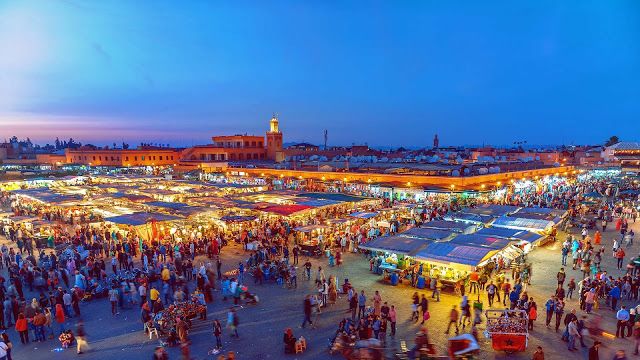
For many travelers, spring and autumn are among the most comfortable seasons for exploring Marrakech. Temperatures are often suitable for walking through the medina, visiting gardens and palaces, and enjoying outdoor cafés. Because the city attracts visitors throughout the year, booking accommodation ahead is useful if you have a specific riad or neighborhood in mind.
Summer can be very hot, especially in July and August. If you visit then, explore early, take breaks indoors or in shaded courtyards, and choose accommodation with air conditioning if that matters to you. Winter is cooler and often pleasant for daytime sightseeing, although evenings can be chilly. Whatever the season, avoid scheduling too many outdoor visits in a single afternoon.
Best Time to Visit Fes and Morocco’s Imperial Cities
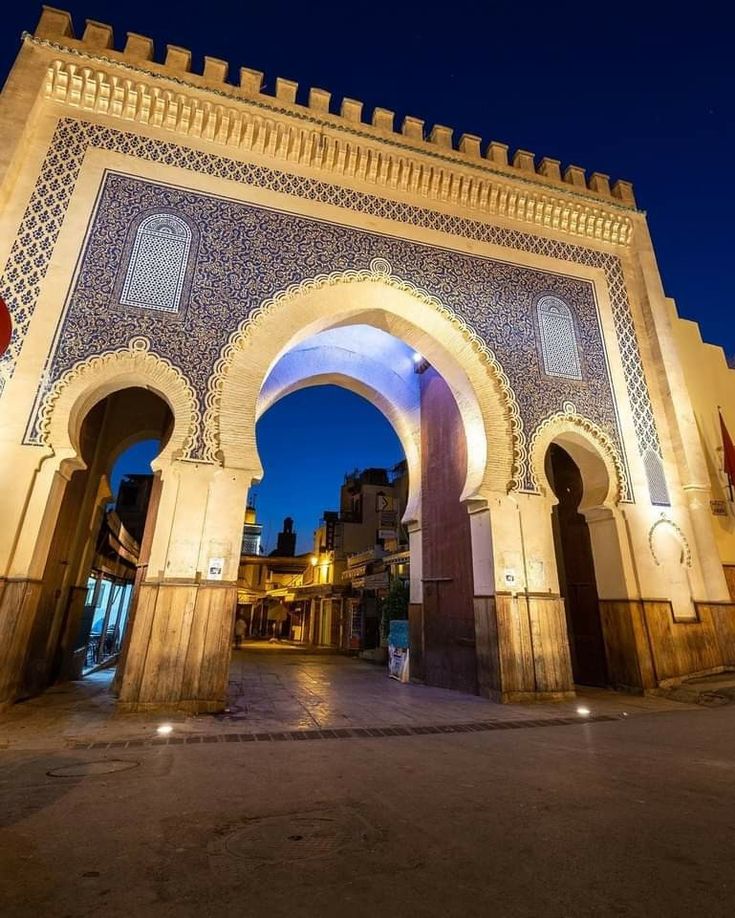
Fes is often enjoyable in spring and autumn, when temperatures are generally more comfortable for navigating its historic medina. Similar seasonal considerations apply to other imperial-city stops, although each city has its own climate. A local guide can help you understand the architecture and daily life of the medina while making efficient use of your sightseeing time.
In summer, Fes can be hot, so consider early walks and a slower afternoon. Winter can bring rain and cool evenings, making warm clothing and suitable accommodation important. If you plan to combine Fes with the desert, remember that conditions can change substantially along the route. Check forecasts for both the city and your overnight stops rather than packing only for one destination.
Best Time to Visit Chefchaouen and Northern Morocco
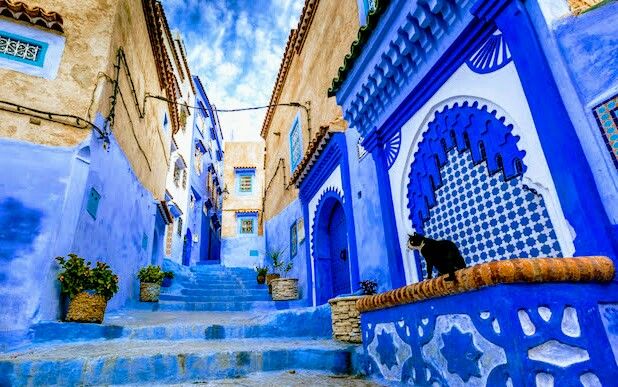
Chefchaouen and northern Morocco can be especially appealing in spring and autumn, when temperatures are often suitable for wandering through towns and enjoying mountain scenery. The north can also fit well into a longer route that includes Tangier, Fes, or Rabat. For photographers, morning and late-afternoon light may create pleasant conditions in the blue city.
Winter can be cool and rainy in the north, while summer brings warmer conditions and can be busy during holidays. If you want to explore the Rif Mountains, check local weather and trail conditions before departure. Also allow enough travel time between destinations: northern routes can be scenic, but roads and stops may make journeys longer than expected.
Best Time to Visit the Sahara Desert
For many travelers, spring and autumn are the most comfortable seasons for a Sahara experience. Temperatures are often more manageable for walking among the dunes and enjoying an evening at camp. However, desert conditions can still change quickly, and wind or blowing sand may affect outdoor plans. Ask your operator how the itinerary adapts when conditions are difficult.
Winter can offer enjoyable daytime temperatures, but nights may be cold. Summer heat can be intense, making a desert stay less suitable for some travelers, especially families with young children or anyone sensitive to heat. If you do travel in summer, discuss timing, cooling, water availability, and emergency arrangements with your provider. The best season is ultimately the one that matches your comfort needs.

Best Time for Sahara Desert Tours From Marrakech
Sahara desert tours from Marrakech often cross the High Atlas before continuing toward the southern valleys and desert gateway areas. Spring and autumn are popular because they can offer a useful balance between city, mountain, and desert conditions. Nevertheless, weather varies along the route, so a warm departure from Marrakech does not guarantee a warm mountain crossing.
When booking Marrakech desert tours, ask about the itinerary’s daily driving times and overnight locations as well as the season. In winter, confirm camp heating and monitor mountain road conditions. In summer, ask how the operator handles extreme heat and whether the camp provides suitable ventilation or cooling. A well-paced trip with clear seasonal advice is more valuable than a rushed itinerary that ignores the conditions.
Best Time for Morocco Desert Tours From Fes
Morocco desert tours from Fes can be particularly appealing in spring and autumn, when the journey through the Middle Atlas and toward the Sahara often offers a mix of comfortable sightseeing and changing scenery. Many itineraries continue to Marrakech, creating a one-way route that avoids returning along the same road. However, driving times remain substantial, so review the schedule carefully.
For Fes desert tours in winter, ask about road conditions in the Middle Atlas and prepare for cold nights in the desert. During summer, check the expected heat near Merzouga and plan frequent breaks. In every season, confirm where you will sleep, what meals are included, and how much time you will have at the dunes. These details matter just as much as the month you choose.
Best Time for Casablanca Desert Tours
Casablanca desert tours are often part of longer journeys that combine the Atlantic coast, imperial cities, and the Sahara. Spring and autumn can be convenient for such routes because travelers may encounter a range of comfortable conditions across several regions. Nevertheless, the desert is far from Casablanca, so the number of days and overnight stops should be planned carefully.
If you are comparing Sahara Tours from Casablanca, ask whether the itinerary includes Rabat, Fes, or another inland stop before reaching the desert. In winter, pack for cool evenings and potentially cold camp nights. In summer, be prepared for a major temperature difference between the coast and the interior. A longer itinerary with sensible breaks can help make the journey more enjoyable in any season.
Best Time for Desert Tours From Tangier
Desert Tours from Tangier involve a long north-to-south journey, so spring and autumn are often useful seasons for combining the Rif region, imperial cities, and Sahara landscapes. These months can offer a reasonable balance for sightseeing in several areas. However, no single season guarantees ideal weather everywhere, especially when the itinerary crosses mountains and continues into the desert.
In summer, northern coastal conditions may feel pleasant while the Sahara is extremely hot. In winter, the reverse contrast can include rain in the north and cold desert nights. Therefore, ask your operator about regional conditions and allow enough days for the route. If you have limited time, consider focusing on the north or choosing a closer desert departure point instead of rushing across the country.
Best Time for Atlas Mountains Hiking
Spring and autumn are often attractive for hiking in parts of the Atlas Mountains, but the best conditions depend on altitude, route, and weather. Lower valleys may be comfortable while higher trails remain cold or snowy. Similarly, summer may be suitable for some higher-altitude routes, yet strong sun, exposure, and changing weather still require preparation.
For demanding treks or remote routes, consult qualified local guides and check current conditions before departure. Winter hiking can require specialist equipment and experience, and snow or ice may make certain routes unsuitable. Always match the itinerary to your fitness, carry appropriate layers and water, and avoid assuming that mountain conditions will resemble those in Marrakech. A guided trip can help you make safer seasonal decisions.
Best Time for Morocco Adventure Tours
Morocco adventure tours can include hiking, cycling, desert excursions, surfing, or a combination of activities. Spring and autumn often work well for travelers who want several outdoor experiences in one journey. However, the best month for a particular activity may differ from the best month for a broad sightseeing itinerary. Surf conditions, mountain weather, and desert temperatures should each be assessed separately.
Before booking, ask about fitness requirements, equipment, guide qualifications, and alternatives if weather changes. In summer, schedule strenuous inland activities for cooler hours and consider coastal or higher-altitude options where appropriate. In winter, confirm whether trails are accessible and whether cold-weather equipment is needed. A responsible operator should explain seasonal limitations rather than promise that every activity is equally suitable throughout the year.
Best Time for Morocco’s Atlantic Coast
Morocco’s Atlantic coast can be appealing throughout the year, depending on your interests. Summer is popular because ocean breezes may make coastal destinations more comfortable than inland cities. Essaouira, for example, offers a relaxed medina, seafood, and a windy waterfront. Other coastal areas provide different combinations of beaches, surfing, and city life.
Outside summer, the coast can be quieter, although weather may be cooler or wetter. If swimming is your priority, check local conditions rather than assuming every beach will have warm water or calm seas. If you prefer walking, food, and cultural sightseeing, a cooler season may be perfectly enjoyable. As always, choose the destination according to the experience you want, not just the month on the calendar.
Best Time for Small Group Morocco Tours
Small Group Morocco Tours are often popular in spring and autumn because these seasons can suit itineraries that combine cities, mountains, and the Sahara. Traveling with a small group can simplify transport and provide company, especially for solo travelers. However, group itineraries usually follow fixed dates and schedules, so it is important to choose one that already matches your preferred pace.
When comparing Morocco Small Group Tours, ask about the maximum group size, accommodation arrangements, and the activities included. Also check whether the operator changes the daily schedule in response to heat, cold, or road conditions. In summer, look for realistic rest periods; in winter, confirm that the camp and vehicle arrangements are appropriate. A good seasonal plan should support the whole group rather than rely on ideal weather.
Authentic Small Group Morocco Tours in Every Season
Authentic Small Group Morocco Tours can be enjoyable year-round when they include meaningful cultural context and a sensible pace. A guided walk, food experience, craft visit, or conversation with a local expert can add depth regardless of the season. However, authenticity should come from respectful interactions and clear partnerships, not from promises that treat local communities as attractions.
If you are seeking Authentic Morocco Travel Experiences, ask who runs each activity and whether shopping is optional. Seasonal planning matters here too: an outdoor market visit may be more comfortable in the morning during summer, while winter rain may call for an indoor alternative. Look for operators who can explain how they adapt experiences without sacrificing respect, comfort, or cultural understanding.
Morocco Group Tours: Fixed Dates and Seasonal Planning
Many morocco group tours operate on fixed departure dates, which makes them convenient for travelers who want a structured itinerary. However, a fixed schedule can also mean less flexibility if weather changes. Before booking, review the daily route and ask how the operator handles delayed roads, extreme heat, or unavailable activities. A clear policy is especially helpful on itineraries that include the mountains or desert.
Also compare what is included in the group price. Some departures include most meals and guided visits, while others leave significant costs optional. If you are traveling alone, ask whether a single supplement applies. Finally, check the cancellation policy and the minimum number of participants. Choosing a suitable season is important, but understanding the practical terms of the departure is equally valuable.
Best Time for Morocco Family Tours
Morocco Family Tours are often easiest to plan in spring or autumn, when many destinations offer comfortable conditions for walking and outdoor activities. Families can combine cities, valleys, and the desert while avoiding some of the most intense summer heat. Nevertheless, individual needs vary, so consider your children’s ages, tolerance for long drives, and preferred daily routine.
If you travel during school holidays in summer or winter, adapt the route accordingly. Summer may call for more coastal time, early sightseeing, and accommodations with cooling. Winter requires warm layers, especially for a desert camp stay. Ask about child seats, room arrangements, meal options, and age restrictions for activities. A family-friendly itinerary should provide enough rest rather than trying to fit every attraction into a short trip.
Custom Morocco Tours: Matching Your Route to the Weather
custom Morocco tours can be useful when you have fixed travel dates but want an itinerary designed around seasonal conditions. For example, a summer route might emphasize the Atlantic coast and shorter inland visits, while a winter trip could combine city sightseeing with a carefully planned desert stay. A private itinerary may also allow you to adjust meal times, stops, and accommodation preferences.
To get a useful proposal, tell the planner your dates, budget, travel group, and tolerance for heat or cold. Also explain your priorities: perhaps you want a Sahara camp, easy walks, or extra time in Marrakech. Then ask how the proposed route responds to the season. Customization should involve thoughtful choices and clear trade-offs, not simply a standard itinerary with a different label.
Tailor Made Morocco Tours for Seasonal Flexibility
tailor made Morocco tours can help travelers balance weather, comfort, and special interests. You might choose a photography-focused spring route, a family trip with coastal breaks in summer, or a winter itinerary with heated accommodation. The advantage is not that weather becomes predictable, but that your route can be designed to reduce unnecessary exposure to difficult conditions.
Ask your operator what flexibility remains after booking. Some hotels and activities may have cancellation deadlines, while guides and vehicles may need to be reserved in advance. Therefore, discuss possible alternatives before departure rather than assuming every change will be free. A good tailor-made plan should explain what is fixed, what can be adjusted, and how additional costs would be handled if you decide to change the route.
Choosing the Best Morocco Tours for Your Travel Dates
The best Morocco tours for your dates are the ones that align activities, routing, and accommodation with seasonal conditions. A tour that works beautifully in April may feel too rushed or exposed in August. Likewise, a winter desert trip may need different clothing and camp facilities from an autumn departure. Read the itinerary carefully and ask how it is adapted to the month you plan to travel.
Compare operators using practical details: driving times, group size, overnight stops, inclusions, and weather contingency plans. Reviews can help, but look for comments from travelers who visited in the same season and booked a similar route. Finally, do not choose solely because a package lists the most destinations. A balanced itinerary with enough time to rest can be more rewarding than a crowded schedule.
Planning a 3 Weeks in Morocco Itinerary by Season
A 3 weeks in Morocco itinerary gives you more freedom to combine the north, imperial cities, the Sahara, the Atlas region, and the coast. In spring or autumn, you can often build a varied circuit without relying heavily on one climate zone. Even so, leave room for rest days and avoid adding distant stops simply because you have more time.
In summer, a longer trip allows you to balance hot interior destinations with coastal stays and suitable mountain areas. In winter, you can spend more time in cities and select desert accommodation with the right comfort features. Whatever the season, plan the route geographically to reduce backtracking. Three weeks should give you space to enjoy Morocco, not become an excuse to spend every day in transit.
Ramadan, Religious Holidays, and Seasonal Events
Ramadan and religious holidays can influence daily routines, opening hours, meal availability, and transport demand. Their dates follow the Islamic lunar calendar and shift each year, so check the dates for your intended trip. During Ramadan, many travelers still enjoy visiting Morocco, but some businesses may operate on different schedules. A flexible approach and respectful awareness of local customs are helpful.
Festivals and public holidays can also affect accommodation availability and transport. If you want to attend a particular event, verify the dates through the organizer or an official local source before booking nonrefundable travel. Conversely, if you prefer quieter destinations, check whether a major event coincides with your stay. Seasonal planning includes more than weather: local calendars can shape the atmosphere and practical rhythm of your trip.
What to Pack for Morocco in Each Season
In spring and autumn, pack layers that work for warm days and cooler mornings or evenings. Comfortable shoes, sun protection, and a light jacket are useful for many itineraries. If you are visiting the Sahara, bring clothing that protects against sun and wind, as well as warmer layers for the evening. A light waterproof layer may also be helpful when traveling through regions where rain is possible.
In summer, prioritize breathable clothing, a hat, sunscreen, and a refillable water bottle where safe drinking water is available. In winter, add a warmer jacket, long layers, and suitable footwear, particularly for the desert or mountains. Since accommodation varies, check whether heating or cooling is available before departure. Above all, pack for each region on your route rather than relying on the temperature in your arrival city alone.
How Far in Advance Should You Book?
Booking early is helpful when your dates are fixed, you are traveling during holidays, or you want a particular riad or desert camp. Spring and autumn can be popular for mixed itineraries, so desirable accommodation and small-group departures may fill before your trip. Early planning also gives you more time to compare routes, ask questions, and understand cancellation terms.
However, booking decisions depend on your flexibility and the type of experience you want. If you have open dates and are comfortable with alternative accommodations, you may be able to make some arrangements later. In either case, confirm what is included and keep written details of payments and cancellation policies. For weather-sensitive activities, ask about alternatives before committing rather than assuming every excursion will run as planned.
Frequently Asked Questions About the Best Time to Visit Morocco
Is Morocco a year-round destination? Yes, provided you choose regions and activities that suit the season. Spring and autumn are often convenient for broad itineraries, summer is popular for the coast, and winter can be enjoyable for city sightseeing and desert days. Is the Sahara hot all year? No. Desert days can be hot, but winter nights can be cold, and temperatures vary significantly by season.
Is summer a bad time to visit Morocco? Not necessarily. It can be a good time for coastal travel, but inland and desert heat requires careful planning. When should I book a desert camp? Book ahead if your dates are fixed or you want a specific camp, particularly during popular periods. Before paying, confirm its facilities, location, transfer arrangements, and seasonal comfort features.
Final Thoughts: Choose the Best Time for Your Morocco Trip
The best time to visit Morocco is the season that matches your route, interests, and comfort preferences. Spring and autumn are strong choices for travelers who want to combine cities, mountains, and the Sahara. However, summer can be excellent for a coastal escape, while winter offers cooler sightseeing and a different perspective on the desert and Atlas Mountains.
Start by deciding what you most want to experience, then build a route around realistic weather and travel times. Check local forecasts, book important accommodation in advance, and ask your operator how the itinerary adapts to seasonal conditions. With thoughtful planning, Morocco can offer memorable landscapes, culture, and hospitality in every month of the year.


