
Ultimate 7 Days in Morocco Itinerary: Sahara, Imperial Cities and Coastal Routes
A 7 days in Morocco itinerary can take you from the colorful streets of Marrakech to the High Atlas Mountains and the dunes of the Sahara. Alternatively, your week could focus on the imperial cities, the blue lanes of Chefchaouen, or the Atlantic coast. The secret is not trying to fit every famous destination into one trip. Instead, choose a route that matches your arrival airport, your interests, and the amount of time you are comfortable spending on the road.
This guide offers one detailed Marrakech-to-Sahara itinerary, followed by practical alternatives for travelers who prefer cities, the coast, or a different starting point. It also explains when to go, what to pack, how to compare group and private trips, and which expenses to consider. Whether you are planning independently or comparing organized tours, these suggestions will help you build a coherent week without promising more than seven days can realistically deliver.
Is Seven Days Enough to Visit Morocco?
Seven days is enough to enjoy a memorable introduction to Morocco, especially when you focus on one main region or a logical route between two areas. You can spend time in Marrakech and the Atlas Mountains, travel to the Sahara on a multi-day excursion, or combine several northern cities. However, Morocco is a large country with varied terrain, and road journeys can take longer than a map suggests. The goal is to experience a few places well rather than collecting as many destinations as possible.
Your arrival and departure times also matter. A flight that lands late on day one or leaves early on day seven reduces the time available for sightseeing. Therefore, this guide treats day one as an arrival day and day seven as a departure day. If you have seven full days on the ground in addition to your travel days, you can add an extra night in the desert, a coastal excursion, or a slower city day.
A 7 days in Morocco itinerary works best when you focus on one main route. For example, you can combine Marrakech and the Sahara, or spend your week exploring Fes, Chefchaouen, and Rabat.
Where to Go in Morocco With One Week
When deciding Where to Go in Morocco, start by identifying the experience you would regret missing most. If the Sahara dunes are your priority, choose a route designed around a multi-day desert journey. If you love architecture and history but dislike long road trips, focus on Fes, Rabat, and another imperial city. Meanwhile, travelers who want relaxed days may prefer Marrakech combined with Essaouira or the Atlas foothills.
Once you have chosen your priority, consider how your flights support the route. A return flight through Marrakech is convenient for the main itinerary below. An arrival in Casablanca with a departure from Fes can work well for a northern city trip, while a Tangier arrival suits Chefchaouen and Fes. In each case, avoid adding distant destinations just because they appear on a list of highlights. A shorter route often creates a richer and less tiring experience.
The Main Seven-Day Route at a Glance
The main route starts and ends in Marrakech. It includes two nights in the city before a three-day, two-night journey through the High Atlas and southern valleys to the Merzouga area. After returning to Marrakech, you have one additional day for sightseeing or an optional excursion before departure. This structure gives you a recognizable city-and-desert journey, while acknowledging that the Sahara portion involves substantial driving.
Suggested schedule: day 1, arrive in Marrakech; day 2, explore Marrakech; day 3, travel through the High Atlas to the Dades or Ouarzazate area; day 4, continue to Merzouga and the dunes; day 5, return to Marrakech on a long road day; day 6, enjoy Marrakech or take a day trip; and day 7, depart. The exact overnight location on day 3 depends on your operator, road conditions, and preferred pace.
Day 1: Arrive in Marrakech and Settle Into Your Riad
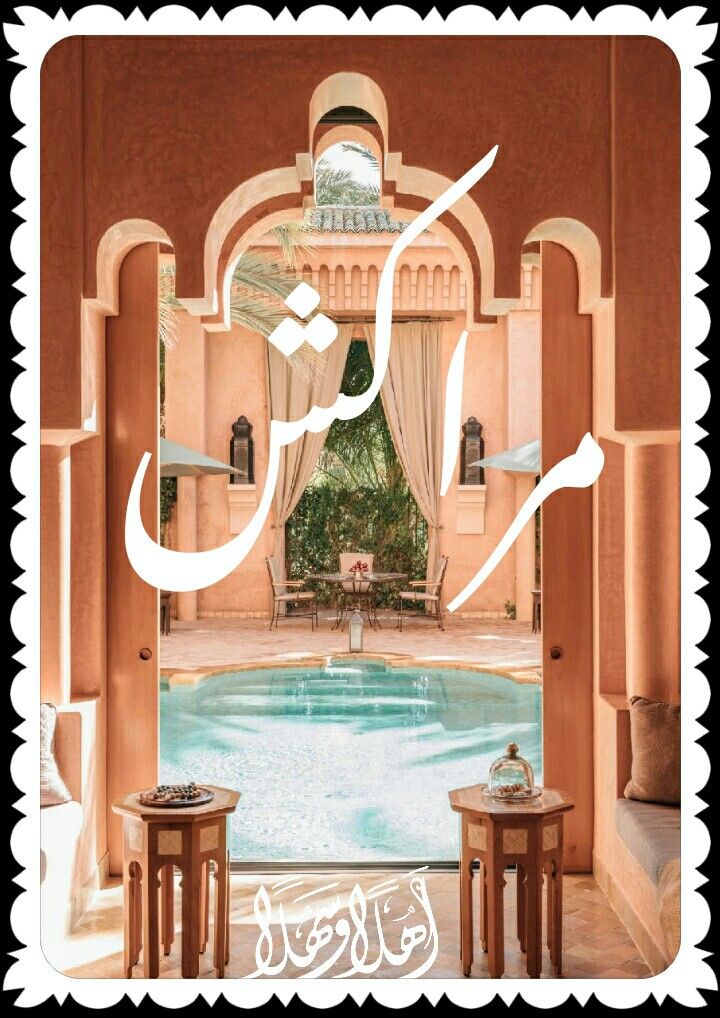
Begin your 7 days in Morocco itinerary by arriving in Marrakech and allowing time to settle in. Depending on your flight, you may have only a few hours before dinner, so keep your first day flexible. After checking into your riad or hotel, take a short walk through the surrounding neighborhood, enjoy a relaxed meal, and get a first impression of the city. If you arrive early and feel energetic, you can visit a garden or enjoy a view over the medina.
However, avoid scheduling a long excursion immediately after an international flight. Airport procedures, traffic, and the walk to a medina riad can take longer than expected, particularly when vehicles cannot reach the door. Confirm your transfer and meeting point in advance, and ask your accommodation how to find it. Finally, use the evening to review your desert booking, organize a small day bag, and rest before your first full day in Morocco.
Tours From Morocco :
Day 2: Discover Marrakech’s Medina, Palaces, and Gardens
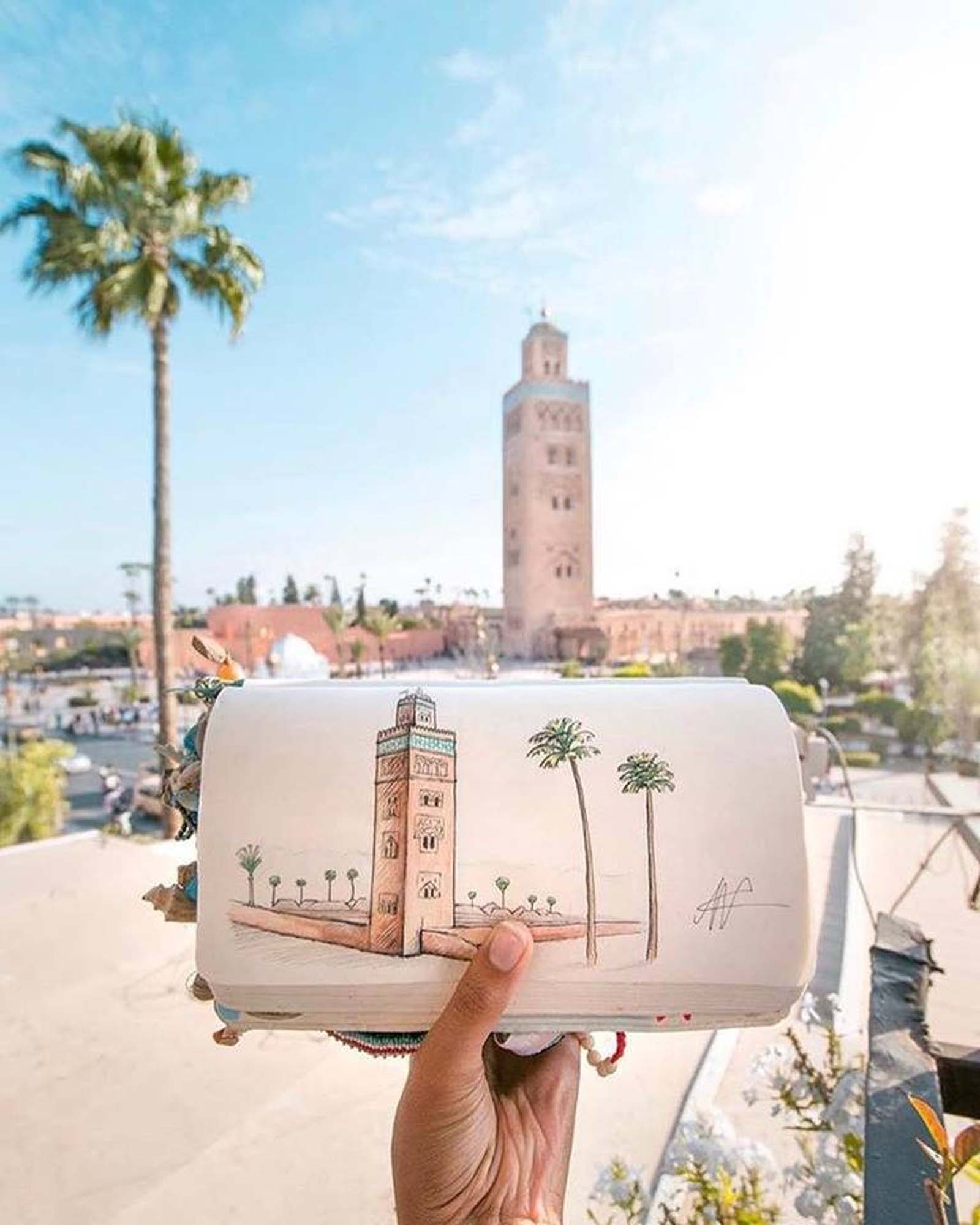
Spend your first full day exploring Marrakech at a comfortable pace. You could begin with a guided orientation walk through the medina, followed by a visit to a palace or historic site that interests you. Then pause for lunch before exploring artisan streets, gardens, or a museum. Jemaa el-Fnaa becomes especially lively later in the day, but the city also has quieter courtyards and cafés where you can take a break from the crowds.
Rather than trying to visit every attraction, select two or three priorities and allow time to wander. Some sites require advance reservations or have changing opening hours, so check official information before you go. In warmer months, plan outdoor sightseeing for the morning and save indoor visits for later. This first city day also gives you a chance to experience Marrakech before the desert journey, making the contrast between urban energy and open landscapes more striking.
Day 3: Cross the High Atlas and Visit Aït Ben Haddou
Leave Marrakech in the morning and begin the journey toward southern Morocco. The route commonly crosses the High Atlas by the Tizi n’Tichka pass, although travel time and road conditions can vary. Along the way, you will see mountain scenery, villages, and changing landscapes. After the crossing, many itineraries visit Aït Ben Haddou, a historic fortified settlement known for its earthen architecture and recognized as a UNESCO World Heritage site.
Continue toward your overnight stop in the Ouarzazate, Skoura, or Dades area, depending on the itinerary you choose. This is a substantial travel day, so confirm the approximate schedule and ask how long you will have at Aït Ben Haddou. Weather, traffic, and roadworks can affect arrival times. Consequently, choose a provider that allows sensible breaks and does not promise an unrealistically packed day. An early dinner and a good night’s sleep will prepare you for the next stage.
Day 4: Continue to Todra Gorge and the Merzouga Dunes
Today, the route continues east through valleys and desert-edge towns toward Merzouga. Depending on your overnight location and the day’s schedule, you may stop at Todra Gorge for a short walk between its dramatic rock walls. The scenery changes gradually from mountain and valley landscapes to more arid terrain, creating a memorable transition before the dunes appear. Because this is another road day, carry water, sun protection, and snacks for the journey.
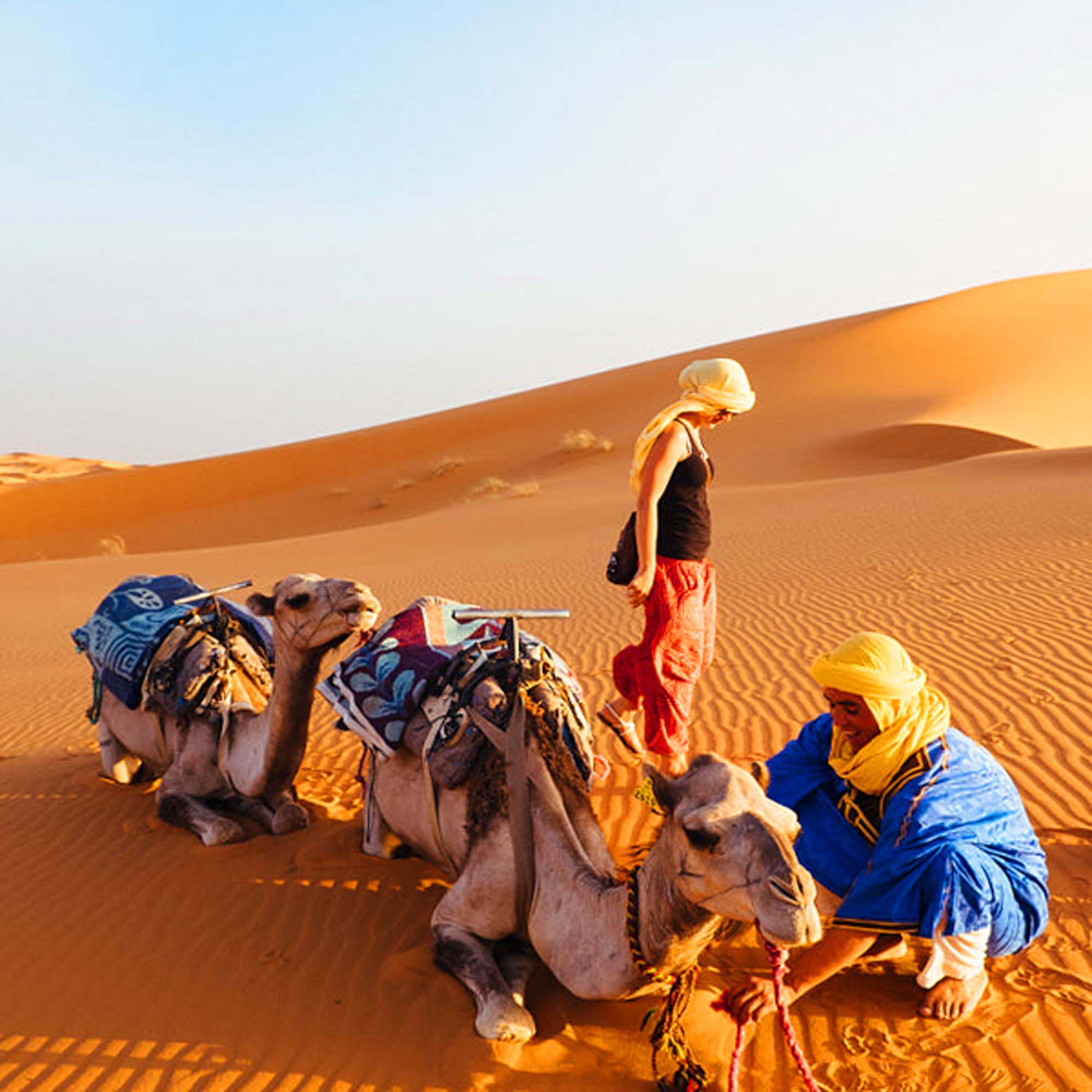
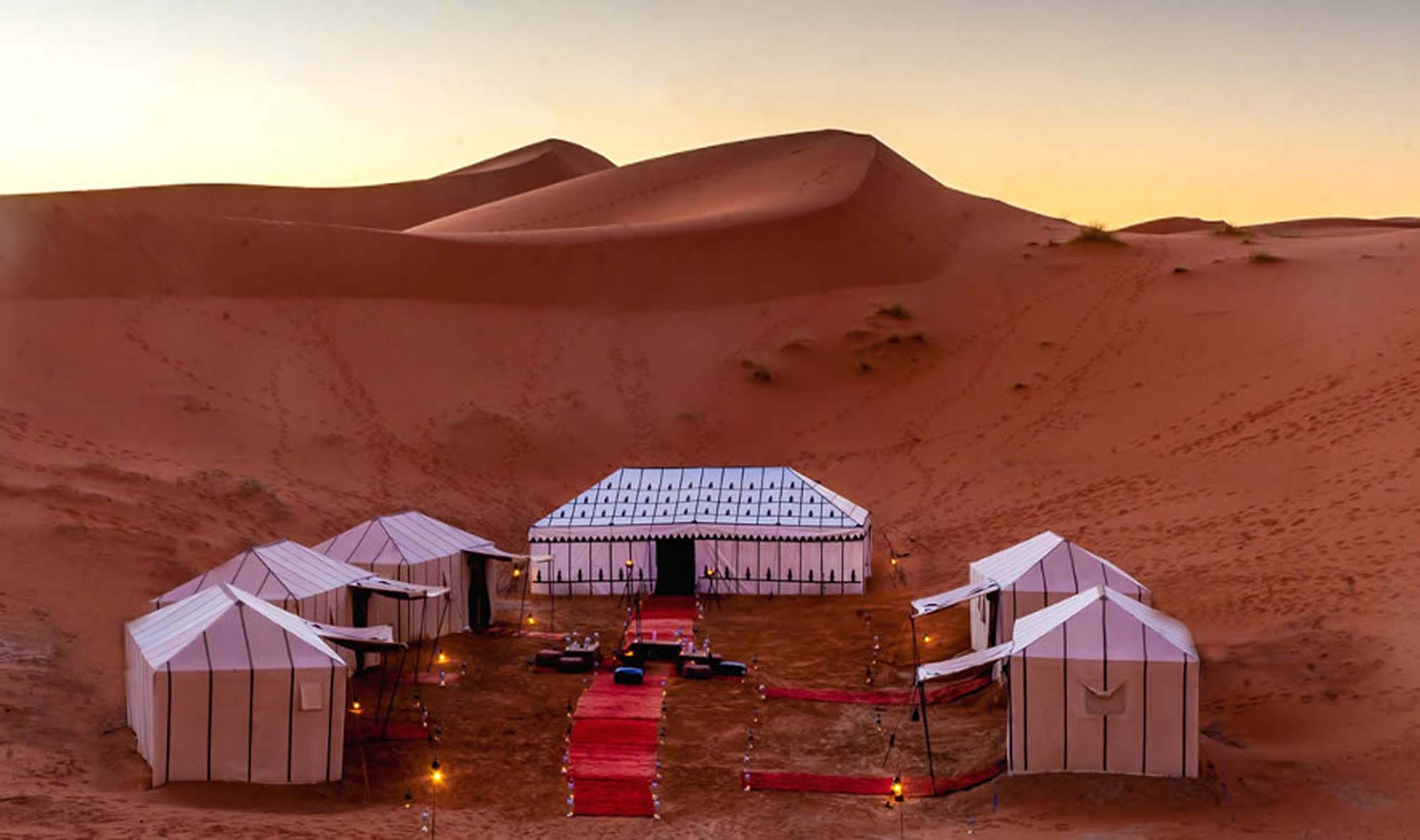
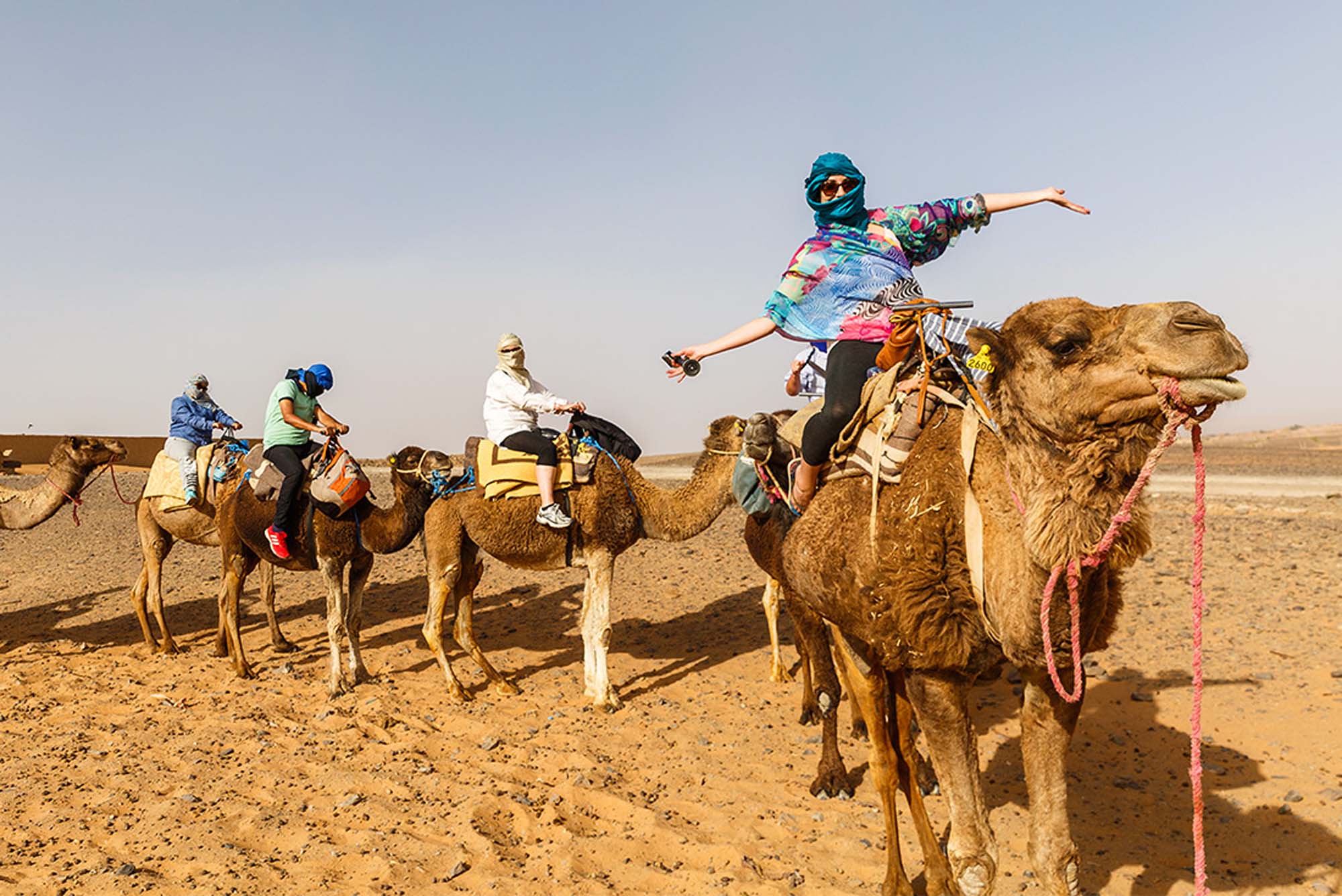
After reaching the Merzouga area, travel to your desert accommodation according to your booking. Some camps arrange a camel ride, while others offer a vehicle transfer; ask in advance if you prefer one option. If the schedule and conditions allow, enjoy the changing colors of the Erg Chebbi dunes at sunset. Dinner and a camp stay often follow, but facilities vary considerably. Confirm your sleeping arrangements, bathroom type, and included meals before the trip.

Day 5: Return From Merzouga to Marrakech
Wake early if you want to see sunrise over the dunes, then have breakfast and begin the return journey. The drive from the Merzouga area to Marrakech is long and can occupy most of the day, particularly when you include meal stops, breaks, and the mountain crossing. Actual timing depends on traffic, weather, road conditions, and the location of your camp. For this reason, do not treat day five as a relaxed sightseeing day or promise yourself a specific early arrival.
A good driver will plan breaks and adjust the journey to conditions, but you should still prepare for many hours in the vehicle. Keep water, medication, a light layer, and anything you need during the drive within easy reach. Once back in Marrakech, choose a simple dinner and rest. If a long return day does not suit your group, consider adding a fourth desert-tour day and reducing time elsewhere; that change makes the route more comfortable but requires a different seven-day schedule.
Day 6: Enjoy Marrakech or Choose an Optional Day Trip
After the long return, day six is best kept flexible. You might revisit a favorite neighborhood, enjoy a cooking class, book a hammam, or visit a garden that you missed earlier in the week. Alternatively, spend a relaxed morning at your accommodation and leave the afternoon open for shopping or a final guided walk. A slower day gives you time to appreciate Marrakech without feeling that your entire week has been spent in a vehicle.
If you prefer another excursion and feel rested, consider a day trip to the Atlas foothills, Ourika Valley, or Essaouira. Each option involves additional travel, so check the expected drive time and choose only one. Essaouira can offer sea air and a different atmosphere, but it is not the best choice if you need a completely restful day. Your decision should depend on your energy, the weather, and whether you have an early flight the following morning.

Day 7: Final Morning and Departure From Marrakech
Use your final morning according to your flight schedule. If you depart later in the day, you may have time for breakfast on a terrace, a short neighborhood walk, or a final purchase. However, keep luggage, checkout arrangements, and the airport transfer in mind. It is usually more comfortable to finish with one simple activity than to rush across the city trying to add one last attraction.
Confirm your pickup time with your accommodation or driver and allow a generous buffer for traffic and airport procedures. International flight requirements vary, so check your airline’s current guidance rather than relying on a fixed rule. If your return flight leaves from another city, arrange the transfer carefully and consider traveling there the previous evening. A coherent itinerary includes a calm departure as well as memorable sightseeing.
Understanding the Trade-Off: Sahara Dunes or Slower Travel
The main route offers a recognizable Sahara experience, but it comes with an important trade-off: the Merzouga journey involves long drives on three consecutive days. That pace can be worthwhile if spending a night near major dunes is your main goal. On the other hand, it may not suit travelers who prefer short transfers, have mobility concerns, or want several unstructured days. There is no need to choose this route simply because it is popular.
If you prefer a slower week, remove the Merzouga excursion and spend more time in Marrakech, the Atlas foothills, and Essaouira. You can also consider Agafay for a nearby rocky desert landscape, although it is not the same as the large Sahara dunes. Another option is to fly into one city and out of another, allowing a one-way desert route. Compare the full travel time, not just the distance printed in a tour description.
Alternative Route 1: Imperial Cities and Chefchaouen
A northern itinerary is a good choice if your priorities are history, architecture, and medina life rather than the Sahara. One possible seven-day route begins in Casablanca, continues to Rabat, then moves north to Chefchaouen before ending in Fes. You might spend day one arriving in Casablanca, day two visiting Rabat and continuing north, day three in Chefchaouen, day four traveling to Fes, and days five and six exploring Fes and its surroundings.
On day seven, depart from Fes if your flight schedule allows. If you must fly home from Casablanca, adjust the route and return there before departure rather than attempting a stressful last-minute transfer. This itinerary still involves driving, but it avoids the long desert crossing. You can add Volubilis or Meknes between Chefchaouen and Fes if time permits; however, do not assume every stop can be explored in depth on the same day.
Alternative Route 2: Marrakech, Essaouira, and the Atlas
For a slower 7 days in Morocco itinerary, combine Marrakech with the Atlantic coast and the Atlas foothills. Start with two nights in Marrakech, then spend two nights in Essaouira to enjoy the medina, ramparts, seafood, and ocean air. Return toward Marrakech and add a day in the Atlas region, choosing an easy walk or village visit that matches your fitness and the season. Finally, spend the last night near your departure airport.
This route does not include the Sahara dunes, but it reduces the need for long consecutive driving days. It also works well for travelers who want a mix of culture and scenery with more time to relax. In summer, the coast can provide a welcome contrast to Marrakech’s heat. In winter, check weather and mountain conditions before committing to an outdoor activity. Either way, a shorter itinerary can deliver variety without requiring a cross-country journey.
Alternative Route 3: Fes to Marrakech via the Sahara
A one-way route from Fes to Marrakech can be a satisfying option if your flights allow you to arrive in one city and depart from the other. Spend your first two days arriving in and exploring Fes. Then begin a three-day desert crossing, traveling through the Middle Atlas and toward the Merzouga area before continuing through the southern valleys and over the High Atlas to Marrakech. Reserve the remaining time for Marrakech and departure.
This itinerary uses the desert journey as a connection between cities rather than an out-and-back excursion. Nevertheless, it remains road-intensive, and the exact overnight stops depend on the tour. Compare Morocco desert tours from Fes carefully, asking about driving times, camp facilities, and how much time is allocated to each city. If your flights force you to return to Fes, add that transfer to your calculations before deciding whether this route is practical.
Marrakech Desert Tours: Choosing the Right Length
Many Marrakech desert tours are marketed as two-, three-, or four-day experiences, but those durations do not all reach the same landscapes at the same pace. A three-day Merzouga route typically includes long travel days, particularly on the return. A four-day trip can add an overnight stop and reduce some pressure, although it also leaves less time elsewhere in a one-week itinerary. Therefore, ask for the complete day-by-day schedule before comparing prices.
If you are researching Sahara desert tours from Marrakech, confirm whether the advertised desert is Merzouga, Zagora, or another destination. Also ask how much daylight you are likely to have near the dunes and what happens if road conditions delay the group. A good itinerary explains its limitations honestly. Instead of choosing only by the number of stops, consider how much time you will actually spend outside the vehicle at the places that matter to you.
Fes Desert Tours: A Practical North-to-South Journey
Fes desert tours appeal to travelers who want to begin in Morocco’s historic north and continue toward the Sahara. The journey can include Middle Atlas scenery, the Ziz Valley, and a night near the Erg Chebbi dunes. Some itineraries return to Fes, while others finish in Marrakech. Therefore, check the final drop-off point and whether your hotel transfer is included before you book.
For a seven-day trip, a Fes-to-Marrakech route can make sense when it replaces a separate intercity journey. However, you still need enough time to experience both cities, and the desert crossing involves long drives. If you want two full days in each city plus a relaxed desert stay, consider extending the trip. Otherwise, prioritize the experiences that matter most and accept that this route is a highlights journey rather than an in-depth exploration of every region.
Casablanca Desert Tours in One Week
Casablanca desert tours can introduce travelers to both the Atlantic coast and the interior, but a seven-day itinerary requires careful choices. A route might begin with Casablanca, continue to Rabat and Fes, then cross toward the Sahara before finishing in Marrakech. That is possible as a fast-paced journey, yet it leaves limited time for extended stays. Therefore, check your arrival and departure flights before selecting the route.
When comparing Sahara Tours from Casablanca, look for a realistic schedule rather than a promise to cover every major city. Ask where each night is spent, how long the main driving days usually take, and whether city guides are included. If Casablanca is only your arrival point, an onward train or private transfer may also form part of your plan. In every case, compare the complete journey, including any transport that sits outside the tour package.
Desert Tours From Tangier: Is Seven Days Enough?
Desert Tours from Tangier can work in a week if you are comfortable with a fast north-to-south route and ideally depart from Marrakech rather than returning to Tangier. A typical itinerary may include Chefchaouen, Fes, the Sahara, and the southern valleys. However, each additional stop reduces the time available elsewhere. Consequently, seven days should be viewed as a highlights trip with several substantial road days, not as a relaxed exploration of the entire country.
If you want more time in the north, consider skipping the Sahara on this visit or adding extra days. Alternatively, choose a route that begins closer to the dunes after independently visiting Tangier. When requesting a quote, ask for estimated driving times, overnight locations, and the amount of free time in each destination. A clear schedule will help you decide whether the experience fits your energy level and travel style.
Small Group Morocco Tours: Sharing the Journey
Small Group Morocco Tours can simplify a one-week trip by combining transport, accommodation, and selected activities in a single itinerary. They are particularly appealing to solo travelers or couples who enjoy meeting others. A smaller group may also make it easier to visit riads and stop at viewpoints, although the actual level of flexibility depends on the operator and vehicle.
Before booking Morocco Small Group Tours, ask for the maximum group size, the room-sharing arrangements, and any single supplement. Check whether the price includes all transport, meals, local guides, and desert camp transfers. Also review the departure and return times, especially if you have a flight soon after the tour ends. Shared travel can offer good value, but only when the schedule and inclusions match your expectations.
Authentic Small Group Morocco Tours: What to Look For
Authentic Small Group Morocco Tours should offer meaningful context, not just a sequence of photo stops. Look for guides who explain local history, architecture, and customs, and ask whether time is available to explore without pressure to shop. A thoughtful itinerary might include a guided medina walk, a local food experience, or a visit to a craft workshop where participation and purchases are genuinely optional.
At the same time, Authentic Morocco Travel Experiences should be respectful to the communities involved. Ask who operates an activity, whether visitors should request permission before taking photographs, and how the tour supports local partners. Avoid assuming that an experience is authentic merely because a brochure uses the word. Instead, choose clear descriptions and operators who can explain what you will do, who you will meet, and what is included in the price.
Morocco Group Tours vs. Private Travel
For a fixed budget and a social atmosphere, morocco group tours can be a convenient way to explore. They generally follow a set schedule and may offer lower per-person transport costs because the vehicle is shared. However, departure times, sightseeing stops, and meals may be less flexible. Therefore, select a group itinerary that already reflects your priorities rather than assuming you can change the route once the trip begins.
A private tour usually provides more control over timing and stops, although it can cost more per person. It may be especially useful for families, photographers, or travelers who need frequent breaks. Still, private does not automatically mean luxury or that every service is included. Ask whether your driver also acts as a guide, whether site guides are separate, and how accommodation is selected. Compare both formats using the same dates and destinations.
Custom Morocco Tours for a One-Week Trip
custom Morocco tours are useful when you have specific arrival times, accommodation preferences, or interests that do not fit a standard package. For example, you might want an extra night in Essaouira, a food-focused day in Marrakech, or a shorter route that avoids long desert drives. A customized plan can also account for mobility requirements or a celebration. However, every addition should be considered against the limited time available.
To request a practical itinerary, provide your arrival and departure airports, travel dates, number of people, budget, and preferred pace. Then identify your top priorities and what you are willing to leave out. Ask the planner to show driving times and overnight locations, not just a list of attractions. A personalized route is most valuable when it makes realistic trade-offs and explains why one stop is included while another is omitted.
Tailor Made Morocco Tours: Questions to Ask
With tailor made Morocco tours, personalization should go beyond putting your name on a standard schedule. Ask whether you can select accommodation categories, adjust daily departure times, add rest periods, or change the balance between guided visits and free time. Also clarify which elements can still be altered after booking. Some hotels, guides, and activities may have cancellation deadlines that limit last-minute changes.
Request a written quotation that lists transport, accommodation, meals, guide services, entrance fees, and optional experiences. If a desert camp is included, ask about the tent type, bathroom facilities, and transfer method. Finally, compare the proposed route with your flight schedule. A well-designed custom trip should make your week feel smoother and more personal, rather than simply adding more destinations or expensive extras to an already crowded itinerary.
Morocco Family Tours: Making Seven Days Comfortable
Morocco Family Tours work best when adults and children have time to rest between activities. A colorful medina or camel ride can be exciting, but long drives and late dinners may be difficult for younger travelers. If you choose the main Sahara route, discuss the expected time in the vehicle and ask about suitable breaks. Alternatively, the Marrakech, Essaouira, and Atlas route may offer a gentler pace.
Before booking, confirm child-seat availability, room arrangements, meal options, and any age restrictions for activities. Ask whether your desert camp has facilities that suit your family and whether a vehicle transfer is available instead of a camel ride. In addition, choose interactive activities such as a short cooking lesson or craft experience rather than scheduling long guided visits every day. The best family itinerary is the one that keeps everyone comfortable enough to enjoy the journey.
Morocco Adventure Tours for Active Travelers
Morocco adventure tours can add hiking, cycling, surfing, or desert activities to a one-week trip. For example, you might replace a second Marrakech sightseeing day with a guided walk in the Atlas foothills, or spend more time on the coast if surfing is your priority. However, each activity requires appropriate travel time and preparation. Avoid adding a demanding trek immediately before or after an already exhausting road journey.
Ask your provider about fitness requirements, guide qualifications, equipment, insurance, and weather alternatives. Mountain conditions can change quickly, and a route suitable in one season may not be appropriate in another. Similarly, desert activities require attention to heat, hydration, and safe operators. Choose experiences that match your ability and interests rather than treating adventure as a list of activities to complete. A shorter, well-guided excursion can be more rewarding than an overambitious plan.
Choosing the Best Morocco Tours for Your Week
The best Morocco tours for seven days share several qualities: a logical route, transparent inclusions, realistic driving times, and enough flexibility for meals and breaks. They should also match your interests. A traveler focused on architecture may prefer the imperial-city route, while someone dreaming of Sahara dunes may accept longer travel days. Neither choice is universally better; the right tour is the one that fits your priorities.
Compare at least two itineraries using the same criteria. Check where each night is spent, which meals are included, whether guides are provided, and how much free time you have. For desert trips, confirm the camp’s facilities and transfer arrangements. Finally, review the payment and cancellation terms before booking. A detailed itinerary and clear communication are more useful than vague claims that a trip is “ultimate” or includes everything.
Best Time to Visit Morocco for Seven Days
Spring and autumn are often convenient for a mixed route that includes cities, mountains, and the Sahara. Temperatures can be comfortable for sightseeing, although conditions vary by region and from year to year. These seasons are popular, so reserve important accommodation and small-group departures early if your dates are fixed. Even then, bring layers: a warm afternoon in Marrakech does not mean the mountain pass or desert evening will feel the same.
Summer can be very hot inland, making a coast-focused itinerary attractive for travelers sensitive to heat. Winter can offer pleasant city days, but desert nights and mountain areas may be cold, and road conditions can change. Ask about heating, cooling, and seasonal schedules when you book. Most importantly, check forecasts for each destination shortly before departure and keep enough flexibility to adjust an outdoor activity if necessary.
What to Pack for One Week in Morocco
For most itineraries, pack comfortable walking shoes, breathable clothing, sun protection, and layers for cooler mornings and evenings. A small day bag is useful for water, medication, a camera, and anything you need during long drives. If you plan to visit the Sahara, consider a scarf for wind and dust and a warmer layer for camp. In winter, you may need a proper jacket, particularly in the mountains and desert.
Packing light makes transfers easier, especially when a riad is located within a medina and vehicles cannot reach the entrance. Also check luggage limits if you are joining a shared tour, as vehicle space may be restricted. Respectful clothing is helpful in more traditional settings, and a light layer can serve several purposes. Finally, carry essential documents and medication in your day bag rather than placing everything in luggage that may be inaccessible during the drive.
Budgeting for a Seven-Day Morocco Trip
Your budget depends on accommodation, transport, meals, activities, and whether you choose a shared or private tour. A week focused on a few destinations may involve different costs from a cross-country itinerary with a vehicle and driver every day. Desert camps also vary in comfort and price, so ask what facilities are included rather than relying on labels such as “standard” or “luxury.”
When comparing quotations, calculate the total for your whole party and add costs that are not included. These may include flights, lunches, drinks, entrance fees, tips, travel insurance, and optional activities. Also check whether your arrival and departure transfers are part of the package. Because rates change by season and provider, request current written quotes for the same dates and route. This gives you a more reliable comparison than assuming a fixed price applies throughout the year.
Food and Cultural Experiences During Your Week
Moroccan food can be a highlight of your trip, from breakfast in a riad to a leisurely lunch after a medina walk. Depending on the region and season, you may encounter tagines, couscous, grilled dishes, fresh bread, salads, and seasonal fruit. A cooking class or market visit can add context to the ingredients and traditions behind the meals. However, leave room for simple unplanned stops too.
If you have allergies or dietary restrictions, communicate them clearly before booking meals or tours. Confirm what ingredients are used rather than assuming a dish meets your needs. In shared itineraries, ask whether lunch stops offer alternatives and whether meals can be adjusted. Finally, remember that cultural experiences are most rewarding when approached with curiosity and respect: ask before photographing people, greet local hosts politely, and avoid treating everyday life as a performance.
How to Travel Responsibly in Morocco
Responsible travel begins with respecting the people and places you visit. Ask permission before taking close photographs, follow guidance at religious and historic sites, and remember that medinas and villages are living communities rather than open-air museums. When shopping, choose items you genuinely value and agree on a price without pressure. You can also support local businesses by eating at independent restaurants or staying in locally operated accommodation when appropriate.
In desert and mountain regions, environmental care matters as well. Reduce waste, follow local rules on vehicle routes, and use water thoughtfully, particularly in arid areas. If your itinerary includes animal activities, ask about welfare practices and available alternatives. These choices do not need to make travel complicated. Instead, they help ensure that the places you enjoy remain welcoming and sustainable for the communities who live there.
Extending Your Trip Beyond Seven Days
If seven days feels too short, adding even two or three days can make a substantial difference. You might slow down the Sahara route with an extra overnight stop, spend another day in Fes, or enjoy Essaouira without turning it into a long day trip. An extended schedule can also make your arrival and departure less stressful. However, use the additional time to deepen the experience rather than automatically adding another distant destination.
For travelers considering a 3 weeks in Morocco itinerary, the possibilities expand further. You could combine the north, imperial cities, desert, mountains, and coast with rest days between longer journeys. Even then, good routing remains important: more days do not eliminate the need to plan transfers sensibly. Whether you stay one week or three, prioritize the experiences that matter most and leave enough space for unexpected discoveries.
Frequently Asked Questions About Seven Days in Morocco
Can I visit Marrakech, Fes, Chefchaouen, and the Sahara in seven days? It is possible to design a fast one-way itinerary that includes all four, but it involves significant driving and limited time in each place. If you want a slower trip, remove one or more destinations or add days. Can I visit the Sahara on a day trip from Marrakech? The major dunes near Merzouga are too far for a practical day trip; nearby Agafay is a different, rocky landscape.
Should I book a group or private tour? Choose a group for a fixed schedule and shared travel, or consider private transport if flexibility and personalized stops matter more. Do I need a guide everywhere? Not necessarily, but a qualified local guide can add context in historic medinas and is valuable for some outdoor activities. Whatever you choose, check current entry requirements, transport schedules, and official advice before departure.
Final Thoughts: Plan Your Ideal 7 Days in Morocco Itinerary
A successful 7 days in Morocco itinerary is not the one with the longest list of destinations. It is the one that balances your interests with the realities of travel time. If the Sahara is your dream, the Marrakech route offers dunes and dramatic landscapes, with the understanding that several days involve long drives. If you prefer a gentler pace, the imperial-city or coastal alternatives provide equally meaningful experiences without the same desert crossing.
Start with your flights, choose your main priority, and then build a route around it. Compare accommodation and tour details carefully, allow time for meals and breaks, and leave at least a little room for flexibility. With realistic expectations and thoughtful planning, one week in Morocco can offer an unforgettable introduction—and plenty of inspiration for a future return.