

Best of Morocco Tours: The Complete Guide to Cities, Desert, Culture, and Unforgettable Routes
Morocco is one of those rare destinations where you can start the day in a centuries-old medina, spend the afternoon driving through mountain passes, and end the night under a sky filled with stars in the Sahara. Because the country changes so quickly from one region to the next, many travelers find that the “best of Morocco tours” are the ones that combine several landscapes and styles of travel into one coherent plan, instead of rushing through highlights without context. In other words, the best experience is usually about flow: how the cities, the mountains, and the desert connect, and how your days are paced.
At the same time, Morocco rewards curiosity and flexibility. You can focus on food and heritage in Fes and Marrakech, chase coastal light in Essaouira, hike in the High Atlas, or build a desert-centered trip that prioritizes dunes, oases, and old caravan routes. In this guide, you’ll learn how to choose among the best Morocco tours, how to decide what to see first, and how to match tour style—small group, private, family-friendly, or fully customized—to the kind of trip you actually want.
What “Best” Really Means When Choosing Morocco Tours
The best tour isn’t automatically the most expensive or the one with the longest list of stops. Instead, the best Morocco tours usually share three qualities: sensible routing, realistic daily driving times, and accommodations that match your comfort level without sacrificing location or authenticity. Just as importantly, the best operators build a trip around Morocco’s rhythm—markets that come alive in the late afternoon, desert temperature changes, prayer-time pauses, and the way medinas work best with guided orientation early on and free time later.
Additionally, “best” depends on your travel identity. Some people want deep cultural immersion and slow mornings; others want nonstop scenery and big distances. That’s why comparing itineraries by theme helps: imperial cities and UNESCO sites, desert crossings, coastal retreats, mountain trekking, or a blended circuit. Once you define your theme, you can evaluate whether a tour is truly well-designed or simply packed with places that look good on paper.
Where to Go in Morocco: The Core Regions That Shape Most Tours
If you’re wondering Where to Go in Morocco, start with the regions that form the backbone of almost every strong itinerary: the imperial cities (Marrakech, Fes, Meknes, Rabat), the Atlantic coast (Essaouira, Casablanca, Tangier), the Atlas Mountains (Imlil, Ait Ben Haddou region, Ouarzazate), and the Sahara gateway zones (Merzouga/Erg Chebbi, Zagora, and the Draa Valley). These areas connect naturally, which means you can combine them without spending your whole trip in transit.
However, Morocco is bigger than first-time maps suggest, and the “best” route depends on your arrival city and the season. For instance, summer heat makes the desert more demanding, so many travelers rebalance toward the coast and higher elevations. On the other hand, winter nights in the Sahara can be cold, so comfort-minded visitors choose upgraded camps and plan for later starts. When you understand these regional differences, you’ll choose tours that feel effortless rather than exhausting.
Imperial Cities Tours: Marrakech, Fes, Meknes, and Rabat Done Right
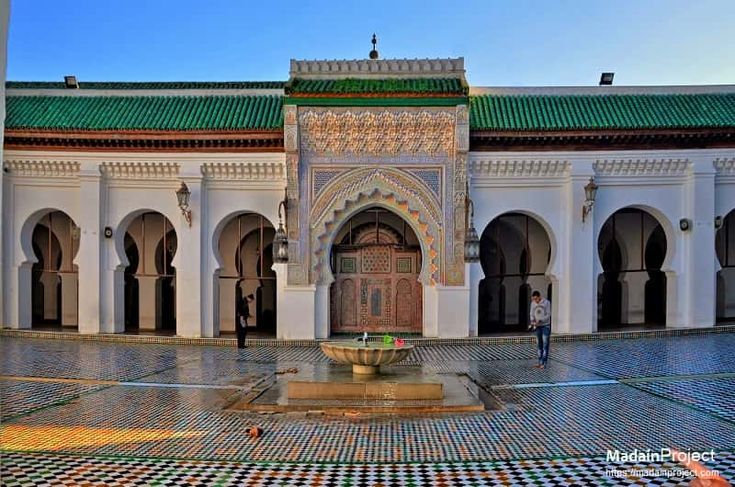
Imperial cities are essential for travelers who want architecture, craft, and history in a concentrated dose. Marrakech delivers sensory intensity—gardens, palaces, street-food energy—while Fes offers the deepest medieval atmosphere, especially in its labyrinthine old city. Meknes and Rabat add balance: quieter, more spacious, and often overlooked, which is exactly why they feel refreshing after the busier medinas.
Even so, imperial city touring works best when it’s paced with intention. A common mistake is stacking too many guided visits back-to-back, which can blur everything together. Instead, a well-designed route might include a guided city walk, a hammam break, a rooftop dinner, and a free morning for artisan quarters or museums. That combination creates clearer memories and more personal discovery, which is often what travelers mean when they say they want “authentic” Morocco.
Tours From Morocco :
Coastal Morocco: Casablanca, Rabat, Essaouira, and Tangier Beyond the Obvious
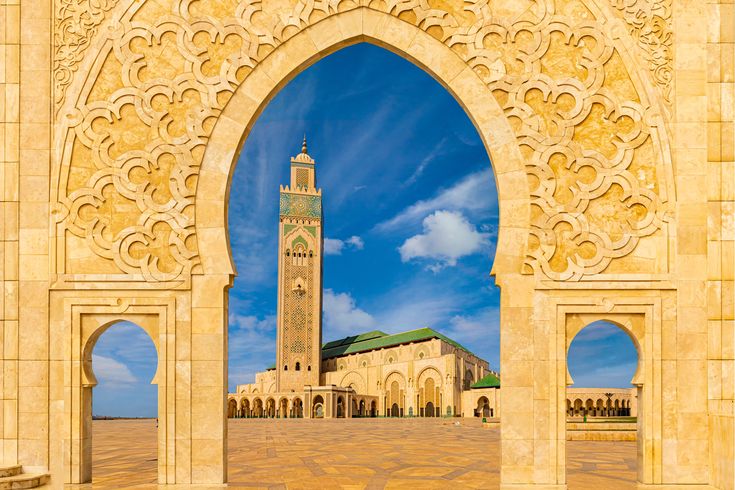
Coastal Morocco is not just a quick stop; it’s a different mood. Casablanca is modern and energetic, with its famous oceanfront mosque and wide boulevards, while Rabat feels calm and elegant, blending heritage with a lived-in capital-city vibe. Essaouira, meanwhile, is the antidote to heat and crowds, offering sea air, surf culture, and seafood that can reset your palate after rich tagines.
Meanwhile, Tangier and the north bring a crossroads feeling that’s distinct from the interior. The light, the cafes, and the cultural layers—African, Arab, Amazigh, Andalusian, and European—influence everything from music to architecture. If you’re considering Desert Tours from Tangier, it’s worth remembering that Tangier is far from the Sahara; therefore, the best tours from here either fly to connect with desert routes or plan a longer overland journey that includes chefchaouen-like mountain scenery to break up the distance.
The Atlas Mountains and Kasbah Routes: Scenic Drives That Don’t Feel Like “Transfer Days”
Many travelers imagine mountain days as “just driving,” yet the Atlas is one of Morocco’s strongest highlights when planned properly. The best routes use the mountains as a storyline: high passes, remote villages, and kasbah landscapes that explain Morocco’s geography and history. This is where Morocco starts to feel cinematic—stone-built settlements, terraced fields, and valleys that change color by the hour.
At the same time, these regions demand realistic timing. Roads can be slow, and photo stops are irresistible, so tours that cram too many kilometers into one day often become stressful. A better plan includes at least one night near the kasbah zones—around Ait Ben Haddou or Ouarzazate—so you can enjoy sunset views, local food, and a calmer morning before heading toward the desert or back to Marrakech.
Sahara Desert Tours: What to Expect (and What to Avoid)
The Sahara is a dream for many visitors, but expectations matter. A good desert tour is not only about the dunes; it’s also about the approach: palm oases, rocky plateaus, fossil areas, and the gradual shift from urban Morocco into wide open space. The most memorable desert nights include a thoughtful camp set-up, enough time to enjoy the sky, and activities that fit your energy—camel rides, 4×4 excursions, music, or simple quiet.
Nevertheless, not all desert tours are equal. Some rush you to the dunes late in the day and pull you out at dawn with little rest, which can feel like checking a box. Others include overly commercial stops that don’t add meaning. The best Morocco tours to the Sahara build in breathing room: time to walk the dunes, watch sunset without a schedule, and return with a sense that you’ve actually been somewhere far from modern noise.
Marrakech Desert Tours: The Most Popular Starting Point
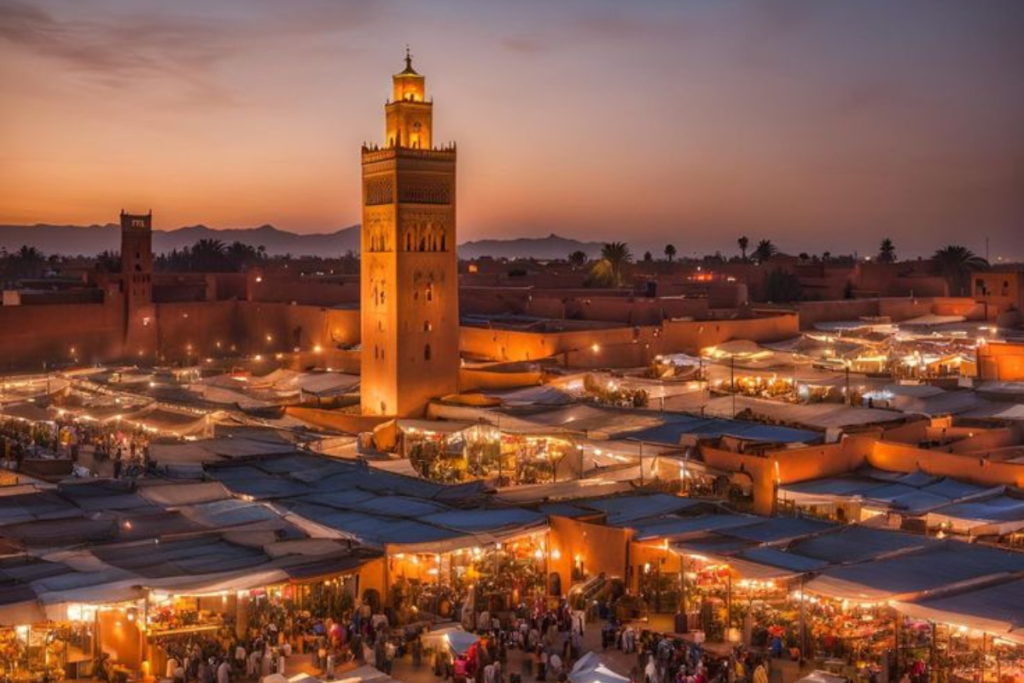
For most travelers, Marrakech desert tours are the easiest to organize because Marrakech is well connected and already a major highlight on its own. From here, routes typically pass through the High Atlas, then continue toward kasbah landscapes and desert gateway towns. The advantage is variety: even before you reach the dunes, you experience dramatic scenery, heritage architecture, and shifting climates.
In addition, Sahara desert tours from Marrakech come in different “intensity levels.” Some are designed as quick overnights with long driving days; others stretch into multi-day journeys that include the Draa Valley or multiple kasbah nights for a slower pace. If you want the classic Sahara feel without feeling rushed, choosing an itinerary with at least two nights between Marrakech and the dunes generally creates a more comfortable rhythm.
Morocco Desert Tours from Fes: A Different (Often Better) Desert Story
If you’re starting in the north or you want a stronger contrast between city life and wilderness, Morocco desert tours from Fes can be especially rewarding. Fes is deeply historical and densely textured, so the transition to wide-open landscapes feels dramatic. Routes from Fes often pass through cedar forests, Middle Atlas towns, and changing terrain that makes the desert arrival feel earned rather than abrupt.
Likewise, Fes desert tours frequently end in Marrakech, which creates a natural one-way circuit instead of forcing you to return by the same road. That’s a major advantage for travelers who want to see more without wasting time. When done well, this north-to-south flow can be one of the most satisfying “best of Morocco tours” patterns because it builds a clear narrative from medieval medina to Saharan silence.
Casablanca Desert Tours: How They Work and Who They’re For
Casablanca is often treated as a transit city, but it can also be a practical launch point, especially for business travelers adding leisure days or families arriving on convenient flights. Well-planned Casablanca desert tours usually combine Rabat and the imperial cities before pushing inland toward the desert route. This approach makes Casablanca more than a quick photo stop, turning it into the first chapter of a broader story.
Similarly, Sahara Tours from Casablanca make the most sense when you have enough time—because distances are long—and when you want a “complete Morocco” arc that includes both Atlantic Morocco and the interior. If you only have a few days, you might choose a partial Sahara experience or focus on nearer highlights. However, if you can commit to a week or more, starting in Casablanca can create a well-balanced circuit that ends in Marrakech or returns via different cities.
Desert Tours from Tangier: Northern Gateways and Smart Routing
Tangier is magnetic, and it’s an incredible start for travelers who want the Mediterranean-North Atlantic atmosphere before heading south. That said, Desert Tours from Tangier require careful routing because the Sahara is far away. The most satisfying plans treat the journey as part of the experience by adding meaningful stops—often in the Rif Mountains, cultural cities, or scenic valleys—so that travel days feel like exploration rather than endurance.
On top of that, a Tangier-to-desert itinerary is ideal for travelers who want a true north-to-south traverse. You can begin with coastal cafes and sea views, then gradually move through mountains, imperial cities, and finally desert landscapes. With the right pacing, the contrast becomes one of the trip’s strongest features, and the long distance feels justified because each region introduces a distinct Morocco.
Small Group Morocco Tours: Why They’re Often the Sweet Spot
Small Group Morocco Tours are popular for a reason: they balance social energy with flexibility. You get the convenience of a planned itinerary, reliable transport, and a guide who handles logistics, while still having room for personal moments and spontaneous stops. In Morocco, that matters because medinas, road conditions, and cultural etiquette can be easier to navigate when someone experienced is coordinating the flow.
Also, small groups tend to access experiences that feel smoother than big coach tours. You can stop at viewpoints, adjust meal timing, and choose boutique riads more easily. If your goal is to meet people while still feeling like you’re traveling—not herded—then Morocco Small Group Tours are often closer to what travelers imagine when they picture a relaxed, high-quality trip.
Authentic Small Group Morocco Tours: What Makes Them “Authentic” (Not Just a Marketing Word)
Authentic Small Group Morocco Tours usually earn that label by prioritizing context over quick consumption. That might mean visiting a cooperative to understand argan production, sharing a meal with a local family in a respectful setting, or exploring lesser-known neighborhoods with a guide who explains craft traditions instead of only pointing out Instagram angles. Authenticity often comes from learning “why” something exists, not only “what” it looks like.
Furthermore, authenticity depends on time and behavior. Tours that give you unhurried afternoons in a medina, conversations with artisans, and space to wander respectfully tend to feel more real than tours that schedule you into shop-to-shop routines. If you’re seeking Authentic Morocco Travel Experiences, look for itineraries that include cultural depth and freedom—because both are necessary to feel connected rather than merely entertained.
Morocco Group Tours: When They Make Sense (and When They Don’t)
Many travelers search for morocco group tours because they want simplicity, safety, and predictable costs. Group tours can be excellent if you prefer fixed schedules, you’re traveling solo and want built-in company, or you like having a guide at every step. In Morocco, where medinas can be confusing and bargaining culture can feel unfamiliar, that structure can remove friction and let you focus on enjoying the place.
However, group tours are not always the best choice if you prioritize slow travel, photography at your own pace, or flexible meal routines. If you dislike early departures every day or you want longer stays in fewer places, a private or custom format may suit you better. The real key is honesty: if you choose the format that matches your travel style, you’ll be far more likely to call your trip one of the best Morocco tours you’ve ever taken.
Morocco Family Tours: Comfortable, Kid-Friendly, and Still Culturally Rich
Morocco Family Tours work best when they blend cultural highlights with downtime and comfort. Kids often love Morocco’s sensory world—colors, markets, animals, and music—but long driving days can be tough. Therefore, strong family itineraries reduce unnecessary backtracking, add pool time or beach time, and choose accommodations that are calm and safe while still offering Moroccan character.
Equally important, family-friendly Morocco is about choosing the right experiences: short guided medina walks, hands-on cooking sessions, gentle camel rides, and interactive craft demonstrations. When a tour is designed for families, it doesn’t “water down” Morocco; instead, it presents Morocco in a way that keeps everyone engaged. As a result, parents can enjoy depth and kids can enjoy fun, without either group feeling dragged along.
Morocco Adventure Tours: For Hikers, Climbers, Surfers, and Trail Seekers
Morocco adventure tours are perfect for travelers who want to move, sweat, and earn their views. Options range from High Atlas trekking and summit attempts to mountain biking, surfing near Taghazout, or multi-sport circuits that add canyoning or rock formations in the south. Morocco’s terrain diversity is a gift here, because you can design an active trip without repeating landscapes.
At the same time, adventure travel requires smart logistics. The best itineraries include acclimatization, realistic hiking times, and safety-focused guiding, especially in mountain areas where weather can change quickly. When done well, adventure touring adds a powerful emotional layer to your trip: you don’t only “see” Morocco—you experience it physically, which often leads to stronger memories and deeper satisfaction.
Custom Morocco Tours: The Best Option for Travelers Who Know What They Want
If you already have a clear wish list—certain riads, specific food experiences, or a photography-heavy schedule—then custom Morocco tours are often the most efficient path. Instead of fitting your trip into a template, custom planning builds the template around you. That can mean slower pacing, upgraded comfort, special celebrations, or a route that avoids places you don’t care about.
Additionally, custom design helps you solve common Morocco challenges in advance, such as balancing driving distances with sightseeing time or choosing the right desert camp category. It also allows you to tailor the tone of the trip: more luxury, more local immersion, or more outdoor focus. Ultimately, the “best of Morocco tours” is sometimes simply the one that matches your personality most precisely.
Tailor Made Morocco Tours: How to Get a Truly Personal Route (Not Just a Rebranded Standard Plan)
Many companies offer “private tours,” but tailor made Morocco tours go further by redesigning the route, not only privatizing it. A tailor-made approach might adjust start and end points, include special interests like architecture, textiles, or Sufi music, and build in longer stays where you’ll actually enjoy slowing down. In other words, it’s personalization at the itinerary level, not just at the transport level.
To make tailor-made planning worthwhile, communicate your priorities clearly: what you want more of, what you want less of, and what makes a day feel “good” to you—late starts, long lunches, minimal driving, or lots of stops. The best planners will then translate those preferences into pacing decisions: which nights to extend, which roads to avoid, and which experiences to reserve in advance so you don’t waste time once you arrive.
Choosing the Best Morocco Tours by Trip Length (7, 10, 14, or 21 Days)
Trip length shapes everything, especially in a country as varied as Morocco. In 7 days, the best plan usually focuses on one main storyline: Marrakech plus the Atlas and a desert edge, or Fes plus a desert route ending in Marrakech. In 10 days, you can add a coastal break or include more imperial city time, which often improves the trip because you’re not racing the clock.
If you have two weeks, you can build a more complete circuit that blends cities, mountains, and dunes with less pressure. Even better, a 3 weeks in Morocco itinerary lets you travel like a human: you can include Tangier or Chefchaouen in the north, give the desert proper time, and still enjoy the coast without sacrificing depth. More time also means more authenticity, because you can repeat the best activity in Morocco—wandering—without feeling guilty about “missing” landmarks.
A Sample “Best of Morocco” Tour Structure You Can Adapt
A practical “best of” structure often looks like this: begin with one major city to acclimate (Marrakech or Fes), then shift into mountains or kasbah zones to change the scenery, then go to the Sahara for two nights if possible, and finish with a coastal or relaxed city stay to decompress. This arc works because it alternates intensity: busy medinas, open landscapes, quiet desert, then seaside calm or a final cultural city.
From there, you can adapt based on flights and preferences. For example, you might start in Casablanca for convenience, then move to Rabat and Fes, continue on Morocco desert tours from Fes, and finish in Marrakech for a strong finale. Alternatively, you can start in Tangier, move south, and end with Marrakech desert tours or an ocean-side wind-down. The structure stays consistent, but the entry and exit points shift to fit your reality.
Best Time to Book and Travel: Seasonality, Weather, and Crowd Strategy
Morocco is a year-round destination, but comfort depends on where you go. Spring and autumn are generally the easiest seasons for blended routes that include cities, mountains, and desert. Summer is hotter in Marrakech and the interior, so travelers often emphasize the coast and higher elevations, then schedule desert visits carefully with upgraded camps and early starts.
Meanwhile, winter can be excellent for cities and the Sahara, especially if you enjoy crisp air and quieter medinas, but nights in the desert and mountains can be cold. Therefore, packing and accommodation choices matter more. If you want the best Morocco tours experience without fighting crowds, aim for shoulder-season dates and book key accommodations early—especially popular riads and high-quality desert camps that sell out faster than people expect.
Comfort, Transport, and Accommodation: What a High-Quality Tour Includes
In Morocco, comfort is not only about luxury; it’s also about smart logistics. A strong tour includes a reliable vehicle, a driver who prioritizes safety, and a schedule that respects human needs: coffee stops, scenic breaks, and meals at reasonable hours. If a plan looks “efficient” but forces constant early wake-ups and late arrivals, it often becomes tiring even if the hotels look beautiful online.
Accommodation also shapes your experience more than many travelers realize. Staying in a well-located riad changes how you experience a medina, because you can step out early, return easily, and enjoy calm evenings away from noise. Similarly, desert camps vary widely in comfort and atmosphere, so it’s worth confirming what “luxury” means in concrete terms—private bathrooms, heating, bedding quality, and distance from the dunes—before choosing a package.
Food, Culture, and Etiquette: Small Details That Make Tours Feel Effortless
Morocco’s food is a highlight, but the best experience comes when meals are treated as cultural moments rather than quick refueling. A good tour mixes restaurant meals with experiences like market tastings, bread ovens, or home-style cooking in a respectful environment. When you plan for food intentionally, you reduce stress too, because you’re not constantly searching for “the right place” while tired and hungry.
Cultural etiquette is equally important, and it affects how welcomed you feel. Dressing modestly in more traditional areas, asking before photographing people, and learning a few greetings can change interactions dramatically. Great guides help you understand these nuances without making you feel anxious. As a result, your trip becomes smoother, kinder, and more connected—exactly the outcome most travelers hope for when they search for Authentic Morocco Travel Experiences.
How to Choose a Tour Operator: The Checklist That Protects Your Trip
Choosing among the best Morocco tours providers is easier when you look for clarity rather than hype. You want transparent inclusions, realistic day-by-day timing, and clear accommodation categories. You also want honest communication about what’s flexible and what isn’t, because Morocco rewards spontaneity, but only if your tour structure allows it. Reviews help, but reading them for patterns—communication, punctuality, guide quality—matters more than chasing perfect ratings.
It’s also wise to confirm who you’re traveling with and who is responsible for what. For small group trips, ask about group size limits and whether the itinerary is guaranteed. For private or tailor-made tours, ask whether the guide stays with you throughout or changes by region. The best experiences usually come from operators who are organized, responsive, and realistic—because those traits translate into calm travel days once you’re on the road.
Packing and Planning: What You’ll Be Glad You Brought (and What You Can Skip)
Packing for Morocco is easier when you think in layers. Cities can be warm in the day and cool at night, and desert temperature swings can surprise you. Comfortable walking shoes are essential because medinas involve uneven surfaces, and you’ll likely walk more than you expect even with vehicle support. A light jacket, sun protection, and a small day bag cover most needs without overpacking.
At the same time, don’t bring your entire closet. Morocco has excellent basics available, and overpacking makes transfers harder, especially in riads with stairs. If your route includes the Sahara, plan for dust and wind, not just heat—so a scarf and protective eyewear can be genuinely useful. The more your packing matches your tour design, the more relaxed your days will feel, which is ultimately the point of booking the best of Morocco tours in the first place.
Responsible Travel: Supporting Communities Without Turning Culture Into a Product
Responsible travel in Morocco starts with simple choices: staying in locally owned riads when possible, paying fair prices for crafts, and choosing experiences that respect privacy and dignity. Many travelers want “authenticity,” yet authenticity disappears when communities feel like they are being consumed rather than visited. The best tours create ethical boundaries—no intrusive photography, no staged encounters, and a preference for real craft work over mass-produced souvenirs.
Also, responsible travel is about your footprint. Morocco’s water resources are precious, especially in arid regions, so being mindful with showers and laundry matters more than it might elsewhere. Likewise, desert ecosystems are fragile, and driving routes should respect the environment and local regulations. When a tour company takes sustainability seriously, it often signals professionalism overall, because it shows they care about the long-term future of the places that make your trip special.
Final Thoughts: How to Turn “Best of Morocco Tours” Into Your Best Morocco Tour
The best Morocco tours are the ones that feel coherent: the route makes sense, the days breathe, and the experiences align with what you personally enjoy. Whether you choose a city-and-desert classic, a coast-heavy escape, or a mountain-focused adventure, the goal is the same—to experience Morocco with curiosity and comfort, not stress. If you’re unsure, start by choosing your ideal pace and your top two regions, then build outward from there.
From that foundation, decide whether you want the shared energy of Small Group Morocco Tours, the cultural depth of Authentic Small Group Morocco Tours, the ease of Morocco Family Tours, the intensity of Morocco adventure tours, or the freedom of custom Morocco tours and tailor made Morocco tours. Once your format matches your personality, Morocco tends to deliver far more than a checklist; it becomes a journey that stays vivid long after you’ve returned home.


