

Desert Tours from Fes: Discover the Magic of the Moroccan Sahara (Full Travel Guide)
Desert Tours from Fes are one of the most scenic and rewarding ways to reach the Moroccan Sahara. Fes is widely known for its ancient medina, artisan quarters, and deep cultural heritage. However, it is also a strategic gateway to southeastern Morocco, where landscapes change dramatically—from cedar forests and mountain passes to palm-filled valleys and, finally, the dunes of Erg Chebbi near Merzouga.
At the same time, a Sahara trip is more than a “dunes photo stop.” The best Morocco desert tours from Fes combine road-trip variety with real moments of calm: a sunset camel ride (or a 4×4 alternative), an overnight camp under a star-filled sky, and a chance to experience warm hospitality in desert communities. Therefore, if you want a journey that mixes nature, culture, and adventure, starting from Fes is an excellent decision.
Why Choose Desert Tours from Fes?
Choosing Fes desert tours means you experience Morocco as a gradual transition rather than a quick jump from city to sand. You begin in an imperial city shaped by centuries of scholarship, craftsmanship, and trade. Then, as you travel south, the scenery opens up and the air changes—first into fresh mountain landscapes, then into dry plateaus and oasis valleys that hint at the Sahara ahead.
Additionally, a Fes departure fits many travel styles. Couples often choose private trips for comfort and flexibility, while budget-conscious travelers may prefer morocco group tours. Meanwhile, solo travelers frequently pick Small Group Morocco Tours to share costs and meet people along the way. As a result, you can choose the tour type that matches your pace and your budget without giving up the essential Sahara experience.
What Makes the Moroccan Sahara So Special?
The Moroccan Sahara is famous for its vast horizons, quiet atmosphere, and powerful light—especially at sunrise and sunset. In the Merzouga region, the dunes of Erg Chebbi rise high enough to feel dramatic and “truly Saharan,” while still being reachable with organized transport and professional local guides. Because the dunes change color throughout the day, every visit feels slightly different depending on season, wind, and cloud cover.
Even so, the Sahara is not only sand. Desert regions include rocky plains, dry riverbeds, and palm oases where villages have adapted to limited water and intense heat. Moreover, many travelers say the most unforgettable moment is simply the stillness at night, when the sky is clear and bright with stars. For that reason, well-planned Morocco adventure tours in the desert often feel both exciting and deeply peaceful.
Why Start a Sahara Trip in Fes (Instead of Somewhere Else)?
Fes offers a strong “before-and-after” contrast that makes the desert feel even more impressive. Before you leave, you can explore the medina, discover historic madrasas, and watch traditional crafts in action. Then, once you hit the road, each hour brings a new Morocco—mountains, forests, valleys, and finally desert edges—so the trip feels like a complete journey rather than a simple transfer.
Equally important, Fes is well-positioned if you are building a bigger itinerary. Travelers coming from Chefchaouen or Tangier can naturally pass through Fes before heading south, which makes Desert Tours from Tangier a logical “north-to-south” route. Similarly, visitors flying into Casablanca can connect to Fes first, then continue toward the dunes, which works well for longer Sahara Tours from Casablanca circuits.
The Classic Route from Fes to Merzouga: What You’ll See
Most Desert Tours from Fes follow a route through the Middle Atlas Mountains before continuing toward Midelt, the Ziz Valley, Erfoud/Rissani, and finally Merzouga. This route is popular because it showcases Morocco’s geographic diversity in a short time. Instead of repeating the same scenery, you watch the country transform from green and cool to dry and sunlit.
Because of that variety, the road-trip becomes part of the highlight. Stops are not only for “restrooms and snacks”—they are viewpoints, short walks, and cultural breaks that make the distance feel worthwhile. Therefore, a good operator plans these pauses carefully and keeps driving time realistic, especially if you are traveling with kids or you simply want a more relaxed experience.
Middle Atlas Mountains: The Green Beginning of Your Sahara Story
In the first stage of the trip, you enter the Middle Atlas, where the climate is noticeably cooler than in Fes during many months. You may pass through farmland and rolling hills, and many itineraries include a brief stop in Ifrane—known for clean streets and alpine-inspired architecture. While it can feel touristy, it’s still an interesting contrast and a quick photo stop.
After Ifrane, many routes continue toward Azrou’s cedar forests. Here, you may see Barbary macaques, although it’s best to observe them respectfully and avoid feeding them. More importantly, this forest region makes the Sahara arrival feel even more dramatic later on. In other words, you start with green Morocco first—so the desert feels like a true “arrival,” not something you could reach in one dull highway drive.
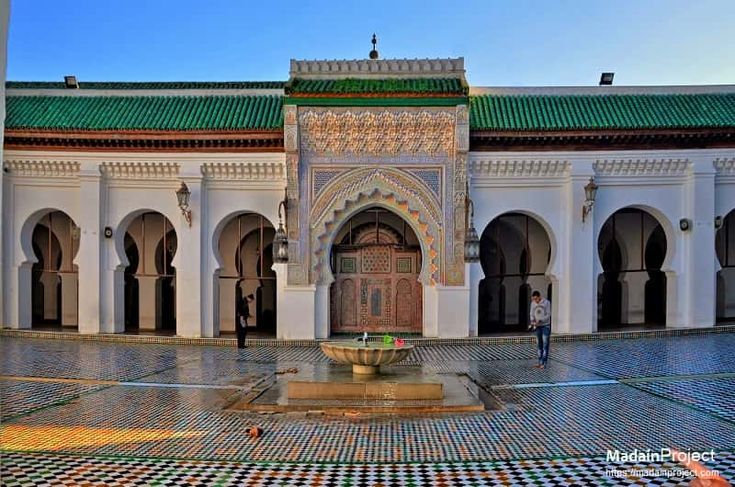
Tours From Fes :
https://moroccobesttours.com/10-day-fes-to-grand-morocco
Midelt: A Smart Break Between Mountains and Desert
Midelt is often used as a meal stop or overnight point, depending on how many days your itinerary includes. The town sits between mountain ranges and functions as a natural “reset” area before you travel deeper into the southeast. Even if Midelt itself is simple, the surrounding landscapes can be beautiful, especially in golden afternoon light.
For travelers who want comfort, this stop is valuable. It breaks up long driving hours and helps families manage road time without frustration. Additionally, if you book a 3–4 day tour, the operator may use Midelt (or a nearby region) to keep your schedule realistic. Consequently, you arrive to Merzouga with more energy—so you can actually enjoy sunset and camp life rather than feeling exhausted.
Ziz Valley: Palm Oases, Viewpoints, and Desert Geography
As you continue south, one of the most memorable moments is seeing the Ziz Valley appear—an impressive strip of palm trees and cultivated land cutting through arid terrain. Many tours stop at panoramic viewpoints, where you can see villages clustered around water sources. This is a strong example of how Moroccan communities have adapted to climate and geography over generations.
Beyond photography, the Ziz Valley is also a “storytelling” region if your guide is skilled. A good guide will explain how palm oases support agriculture and how desert trade routes historically connected communities. Because of this, the drive becomes more meaningful than a checklist of stops. If your goal is Authentic Morocco Travel Experiences, this is exactly the kind of landscape-plus-context moment that turns a tour into real learning.
Erfoud and Rissani: Desert Gateways Before Merzouga
Before you reach Merzouga, many routes pass through Erfoud or Rissani. Erfoud is often used for supplies and quick breaks, while Rissani has a stronger traditional market identity and trading history. If your itinerary allows, a short stop in Rissani can add local flavor and show a different rhythm of life than what you see in major tourist centers.
These towns also signal the Sahara is close. The land becomes wider and flatter, the colors turn warmer, and you start to sense the desert “edge.” For many travelers, this is where excitement builds. Moreover, if you are doing a multi-day desert crossing toward Marrakech, this region becomes a natural transition zone between oasis life and dune landscapes.
Merzouga and Erg Chebbi: Arriving at the Dunes
Merzouga is one of Morocco’s most famous dune gateways, largely because Erg Chebbi’s dunes rise dramatically right near the village area. From here, you can choose a camel trek, a 4×4 transfer, or a mixed option depending on comfort and preference. Importantly, desert conditions can be demanding, so reputable operators prioritize safety, clear timing, and realistic expectations.
Once you reach Erg Chebbi, the pace changes. The desert has a way of slowing everything down, especially during the quiet minutes after sunset. Travelers often remember the feeling of walking on dune ridges, listening to the wind, and watching the light fade. Therefore, it’s worth choosing an itinerary that gives you enough time in the dunes, rather than just “arrive late, sleep, leave early.”
Top Experiences on Desert Tours from Fes (What’s Actually Worth It)
A sunset experience is the signature moment for many travelers, and camel rides remain popular because they feel timeless and scenic. Still, camel riding is optional—if you prefer not to ride, a responsible operator can arrange a 4×4 transfer or a shorter camel segment. What matters most is that you have time to enjoy the changing colors, the calm air, and the sense of space that city travel rarely offers.
Another major highlight is sleeping in a desert camp. Camps vary from basic to luxury, so it’s essential to confirm what you’re booking. Some camps provide private bathrooms, heating in colder seasons, and higher-quality meals, while others are simpler and more traditional. Either can be great if expectations are clear. In addition, sunrise is often just as memorable as sunset, especially for photographers and travelers who want a quieter desert mood.
Desert Camp Types: Standard vs Luxury (What to Expect)
Standard camps usually offer shared facilities or simpler private setups, along with traditional meals and basic comfort. These camps can still be wonderful, especially if the atmosphere is calm and the staff is warm and organized. However, if you are sensitive to cold nights, need a private bathroom, or want a more “hotel-like” level of comfort, standard camps may feel too minimal.
Luxury camps generally offer better bedding, private bathrooms, improved sound insulation, and a higher comfort level overall. They can be ideal for couples, families, and travelers who want a smoother experience after long driving days. Nevertheless, “luxury” is not the same for every company, so ask for real details: bathroom style, heating, distance to dunes, and what’s included in meals. As a result, you avoid disappointment and choose the camp that fits your priorities.
How Many Days Do You Need? Choosing the Best Tour Duration
A 2-day tour can work for travelers who are very limited on time. However, it often involves long driving hours with less time for scenic stops. Because of that, it can feel more like transportation plus one night in the desert rather than a rounded experience. If you choose two days, you should treat it as a “quick introduction” rather than a full desert immersion.
A 3-day itinerary is usually the most popular compromise. It typically allows more stops and a more comfortable rhythm, although it can still be intense depending on the route. Meanwhile, a 4-day or longer itinerary is ideal if you want a smoother pace and more time in Merzouga or nearby areas. Therefore, the “best” duration is the one that protects your energy while still giving you meaningful desert time.
Sample 2-Day Itinerary (Fast Desert Tour from Fes)
Day 1 generally includes departure from Fes, crossing the Middle Atlas, and continuing toward Merzouga with scenic breaks. Because the distance is significant, most of the day is spent on the road, although good operators will include quick highlights like cedar forests and Ziz Valley viewpoints. By late afternoon, you reach Merzouga and transfer into the dunes by camel or 4×4.
Day 2 usually begins with sunrise, breakfast, and the return transfer out of the dunes. Then you drive back to Fes, again with stops depending on timing. This itinerary can deliver a “Sahara checkmark,” yet it’s not ideal for travelers who want a relaxed experience. For that reason, many visitors prefer at least three days if their schedule allows it.
Sample 3-Day Itinerary (Most Balanced Option)
On day 1, you typically travel from Fes through Middle Atlas scenery with structured stops and an overnight break around Midelt or nearby. This reduces fatigue and makes the journey feel more like a scenic road-trip than a single long drive. Additionally, it gives you time to enjoy local meals without rushing, which improves the overall quality of the experience.
On day 2, you continue through the Ziz Valley and reach Merzouga for sunset and camp. Day 3 includes sunrise and the return to Fes (or, in some cases, a different drop-off depending on the tour). This format works well for first-time visitors because it includes key landscapes plus the core desert night. Still, you should always check daily drive times before booking, because “3 days” can be designed very differently across companies.
Sample 4-Day Itinerary (Comfort + More Authentic Depth)
A 4-day trip creates space for the “small moments” that often become the most memorable—extra viewpoint stops, a slower evening at camp, or time to explore Merzouga’s surroundings beyond the dunes. Instead of racing the clock, you can settle into the desert atmosphere. This is especially useful if your goal is to combine nature with Authentic Morocco Travel Experiences rather than simply moving fast between destinations.
Additionally, four days is excellent for families, photographers, and travelers who want fewer hours in the vehicle per day. Operators can also add optional experiences like a desert area excursion, a village visit, or a longer sunrise walk. In short, this is often the best value in terms of comfort-to-time ratio, because it transforms a “long drive + one night” into a richer, more complete journey.
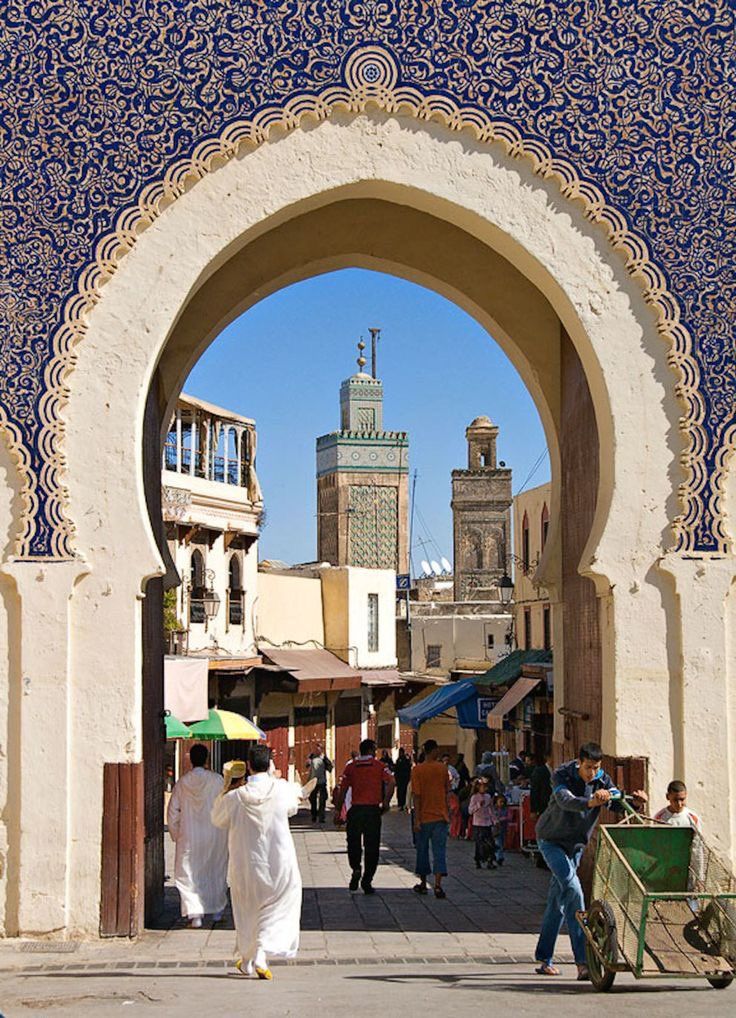
One-Way Tours: Fes to Marrakech via the Sahara (Highly Recommended)
If your Morocco route includes both Fes and Marrakech, consider a one-way desert itinerary rather than returning to Fes. This is one of the smartest ways to reduce backtracking and upgrade your overall trip flow. Many travelers treat it as a mini expedition: Fes → Merzouga → Dades/Todra → Aït Ben Haddou → Marrakech. It’s also a great structure if you want Morocco adventure tours that combine dunes with valleys and gorges.
This is where tailor made Morocco tours and custom Morocco tours offer huge advantages. You can choose your preferred hotel level, control how many nights you spend in the valleys, and decide whether you want deeper cultural stops or a faster pace. Because this route links major destinations, it often fits naturally into a longer plan like a 3 weeks in Morocco itinerary, especially for travelers who want a complete “north-to-south” story.
Private Tours vs Small Group: Which One Fits You Best?
Private tours are ideal if you want control: departure times, stop length, meal timing, and hotel choices. This is especially valuable for couples, families with children, photographers, or travelers with dietary and comfort needs. Private tours also reduce waiting time, which can make long-distance routes feel smoother and more personal.
On the other hand, Morocco Small Group Tours can offer excellent value and a friendly social atmosphere. You share transport costs while still enjoying a curated itinerary, and many solo travelers prefer this format to avoid planning everything alone. Still, you should always confirm what “small group” means in numbers, because companies define it differently. Therefore, ask directly about maximum passengers, vehicle type, and accommodation standards before you commit.
Authentic Small Group Morocco Tours: How to Spot the Real Thing
Authentic Small Group Morocco Tours focus on pace, respect, and real local connection rather than rushing from souvenir shop to souvenir shop. Look for tours that clearly describe cultural stops (villages, markets, craft demonstrations) and include local guides where appropriate. A high-quality operator explains what’s included, why stops exist, and how the tour supports local communities.
Also, authenticity usually shows up in the schedule. If the itinerary includes constant driving with minimal time in key places, it may feel superficial even if the marketing says “authentic.” By contrast, a truly authentic experience often includes slower mornings, meaningful scenic breaks, and an overnight plan that prioritizes comfort and atmosphere. As a result, your Sahara journey feels like a real Moroccan experience rather than a rushed package.
Morocco Family Tours: Making the Sahara Comfortable for Kids
Morocco Family Tours can absolutely include Merzouga, but the key is pacing. Since the drive from Fes is long, families should choose itineraries with regular breaks, comfortable accommodation, and realistic daily driving limits. Additionally, families should verify camp facilities carefully—bathrooms, bedding, heating for cold nights, and the overall level of cleanliness.
Camel rides can be a highlight for kids, but not every child enjoys a long ride. Therefore, ask about alternatives like a 4×4 transfer and confirm any age or safety guidance. Pack snacks, sun protection, layers for cool evenings, and small comfort items that help children stay relaxed. With thoughtful planning, the desert becomes one of the most exciting and memorable parts of a family trip, rather than the most tiring part.
Morocco Adventure Tours: Extra Activities Beyond the Camel Trek
If you want more action, Morocco adventure tours can add dune walks, sandboarding, off-road excursions (where safe and permitted), and scenic hikes in nearby valleys. Many one-way itineraries from Fes to Marrakech include Todra Gorge and Dades Valley, which create a strong mix of desert and mountain landscapes. This variety makes the trip feel like a multi-environment expedition rather than one single theme.
Adventure also requires responsible planning. Choose operators who explain safety clearly, provide realistic schedules, and avoid risky driving behaviors. Additionally, respect desert environments by minimizing waste and avoiding activities that damage fragile landscapes. When done well, adventure travel in Morocco becomes both thrilling and meaningful, because it combines physical movement with cultural context and environmental awareness.
Comparing Desert Starting Points: Fes vs Marrakech vs Casablanca vs Tangier
Fes routes often highlight the Middle Atlas, cedar forests, Midelt, and the Ziz Valley before reaching Merzouga. By contrast, Marrakech desert tours typically cross the High Atlas Mountains and include famous kasbah routes such as Aït Ben Haddou and Ouarzazate. Because the scenery is different, the “best” choice depends on what you want to see and where your trip begins and ends.
Meanwhile, Casablanca desert tours and Sahara Tours from Casablanca are often longer, because Casablanca is farther from Merzouga. Still, Casablanca is a major arrival airport, so these tours can be convenient for international travelers who want an organized start-to-finish circuit. Finally, Desert Tours from Tangier are best if you’re coming through northern Morocco and want a full cross-country experience. Therefore, your starting city should match your route logic—not just popularity.
How Much Do Desert Tours from Fes Cost? (What Pricing Really Means)
Costs vary based on duration, group size, vehicle comfort, and accommodation level. Shared tours are usually cheaper per person because transport is split among travelers. Private tours cost more, yet you pay for flexibility and personalized pacing. Luxury camps, upgraded hotels, and private bathrooms also raise the price, but they can significantly improve comfort.
To compare offers fairly, check inclusions carefully. One tour might include dinner, breakfast, camel trek, and camp transfer, while another charges extra for these items. Additionally, confirm the number of nights, hotel category, and whether the itinerary is rushed. A transparent operator will give you a written plan with clear inclusions and exclusions. That clarity is often a sign of quality, especially when you are searching for the best Morocco tours.
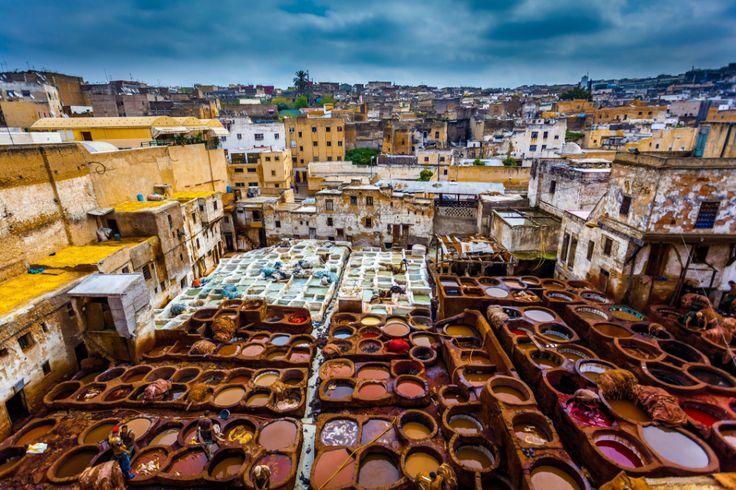
Best Time to Book + Best Season to Go
Spring (March–May) and autumn (September–November) are usually ideal for desert travel. Days are comfortable for sightseeing, and evenings are cooler but manageable with a light jacket. These seasons also offer excellent light for photography, especially during sunrise and sunset in the dunes.
Winter can be beautiful, but nights get cold, particularly in open desert camps. Summer can be extremely hot, so tours must adapt with early departures, late activities, and frequent hydration. Regardless of season, book early if you’re traveling during holidays or peak months, because good camps and high-quality drivers can sell out. Also, confirm cancellation policies and payment conditions before you pay a deposit.
What to Pack for a Fes-to-Sahara Desert Tour
Pack for temperature swings, not just daytime warmth. Bring breathable clothes for the day plus a warm layer for evenings and early mornings. Closed shoes help for sand and rocky ground, while a scarf can protect from wind or sun. Sunglasses, sunscreen, and lip balm are essential, because desert sun can feel stronger than expected.
Also bring a small overnight bag for the camp, because large suitcases may stay in the vehicle or be transported separately. Include toiletries, wet wipes, personal medication, and a portable charger. If you want comfort, add warm socks for cool nights and a compact flashlight or headlamp. Finally, ask your operator about luggage handling so you don’t arrive unprepared for the camp transfer method.
Responsible Travel in the Sahara (Simple Rules That Matter)
Desert ecosystems are fragile, and waste can remain visible for a long time. Use refillable water bottles when possible, avoid leaving any trash behind, and follow guide instructions regarding where to walk and where to ride vehicles. Responsible behavior protects the beauty of Erg Chebbi and keeps the experience special for future travelers.
Respect for local communities is just as important. Ask permission before photographing people, dress modestly in villages, and support local businesses when you buy souvenirs or snacks. If a tour offers “cultural visits,” ask how those visits benefit locals and whether they are respectful. Ultimately, Authentic Morocco Travel Experiences are built on curiosity and consideration—not rushing or treating communities like attractions.
Where to Go in Morocco Before or After Your Desert Tour
If you’re planning Where to Go in Morocco around your Sahara trip, it helps to think in “clusters.” Before the desert, many travelers enjoy Chefchaouen, Volubilis, Meknes, or extra time in Fes itself. After the desert, popular next steps include Dades/Todra valleys, Ouarzazate, Aït Ben Haddou, and then Marrakech for markets, gardens, and food experiences.
Coastal time is also a smart “recovery phase” after the desert. Essaouira is a favorite for sea air and relaxed pace, especially if Marrakech feels intense after long travel. In other words, the best Morocco plans mix high-energy cities with slow landscapes and rest days. This is also how you create a balanced long trip, rather than an itinerary that feels like continuous driving.
How Desert Tours Fit into a 3 Weeks in Morocco Itinerary (Example)
A 3 weeks in Morocco itinerary gives you enough time to enjoy Morocco’s variety without rushing the desert segment. One strong route is: Casablanca → Rabat → Chefchaouen → Fes → Desert Tours from Fes (Merzouga) → Dades/Todra → Aït Ben Haddou → Marrakech → Essaouira → back to Casablanca (or fly out from Marrakech). This structure moves logically north to south and reduces backtracking.
This is also where comparisons matter. If you begin in Casablanca, you can treat the desert as part of a larger Sahara Tours from Casablanca circuit that ends in Marrakech. Alternatively, if you are already based in Marrakech, you might choose Sahara desert tours from Marrakech instead of Fes-based departures. Therefore, your desert plan should connect smoothly with your flight plan and your must-see destinations, not compete with them.


