

Ultimate Desert Tours from Marrakech: The Complete Guide to Sahara Routes, Camps, and Authentic Morocco Experiences
Planning Desert Tours from Marrakech is exciting because Marrakech sits at the crossroads of Morocco’s most dramatic contrasts. In a few days, you can go from lively souks and rooftop cafés to High Atlas mountain passes, then continue into vast desert landscapes where silence and starlight take over. However, the desert is also where many travelers make avoidable mistakes—choosing the wrong tour length, underestimating driving times, or booking packages that look good online but feel rushed on the road.
This guide is designed as a practical, SEO-friendly blog that stays coherent while giving you enough detail to plan confidently. You’ll learn how Sahara desert tours from Marrakech actually work, which routes deliver the best scenery, what to expect at camps, and how to choose between group, private, and fully tailored experiences. Along the way, you’ll also see how Marrakech-based trips connect to other popular options like Morocco desert tours from Fes, Casablanca desert tours, and Desert Tours from Tangier, so you can build the itinerary that truly fits your time and travel style.
What “Desert Tours from Marrakech” Really Means (and Why It’s Not One Single Experience)
When people search for Desert Tours from Marrakech, they often imagine one standard trip: a camel ride, big dunes, and a night in a camp. In reality, Marrakech-based desert travel includes several very different experiences, ranging from the rocky Agafay desert close to the city to the deep Sahara dunes near Merzouga or the more remote Erg Chigaga area. Therefore, the first step is understanding what kind of “desert” you want—because the landscapes, driving times, and overall vibe can change dramatically.
At the same time, tour quality depends on pacing more than on promises. Two itineraries may use similar destination names, yet one will feel calm and immersive while the other feels like a long-distance shuttle with quick photo stops. That is why the best approach is to evaluate the route design, overnight locations, and how much time you actually spend in desert environments rather than inside a vehicle, especially if you want a trip that deserves to be called one of the best Morocco tours.
Why Marrakech Is the Most Popular Starting Point for Desert Travel
Marrakech is a natural hub because it has strong flight connections, a wide range of riads and hotels, and easy access to the Atlas Mountains. In addition, the classic desert route begins by crossing the High Atlas via the Tizi n’Tichka pass, which is one of Morocco’s most scenic drives. As a result, Marrakech desert tours can feel like a complete journey rather than a simple transfer, since the road itself includes dramatic viewpoints, kasbah landscapes, and changing climates.
Moreover, Marrakech works well for different travel styles, which is why it’s frequently used for morocco group tours and private trips alike. If you prefer social travel, you’ll find many Small Group Morocco Tours departing from Marrakech with fixed schedules and predictable budgets. If you prefer flexibility, Marrakech is also ideal for custom Morocco tours and tailor made Morocco tours, because you can easily adjust start times, add extra nights, or shift the itinerary toward comfort, photography, family needs, or adventure activities.
Agafay vs Sahara: Choosing the Right “Desert” Near Marrakech
Agafay is often marketed as a desert escape from Marrakech, and it can be a great option if you have limited time or you want a relaxed overnight close to the city. The landscape is usually rocky and lunar rather than sandy dunes, yet it still offers wide horizons, warm light at sunset, and a peaceful atmosphere that feels far away from urban noise. Therefore, Agafay works best for travelers who want the desert mood without committing to long driving days.
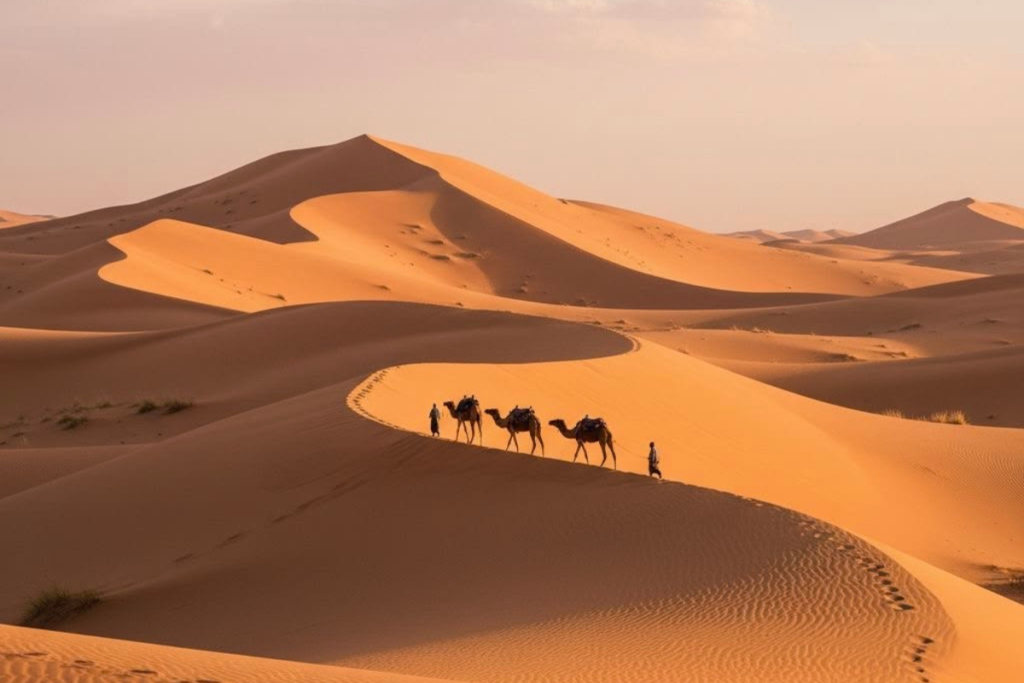
However, if your dream is classic Sahara dunes—rolling sand, long camel silhouettes, and the feeling of true remoteness—then you’ll need more time and a longer route. Sahara desert tours from Marrakech typically require at least three days for a reasonable pace, and even then, itinerary design matters. In other words, Agafay is a beautiful short escape, while the Sahara is a deeper journey, so choosing between them should depend on your timeline and your expectations, not just the word “desert” in a tour title.

Tours From Morocco :
How Many Days You Need: 1-Day, 2-Day, 3-Day, and Longer Tours
A one-day desert trip from Marrakech is usually not a Sahara experience; instead, it’s a taste of landscapes—often the Atlas foothills, valleys, or Agafay—paired with a cultural stop. This can still be worthwhile if you want scenery and a break from the city, and it can fit well into a broader Morocco plan. Nevertheless, if the tour advertises “Sahara in one day,” you should be cautious, because the distances make that promise unrealistic and the experience often becomes more about sitting in a vehicle than enjoying the destination.
Two-day and three-day tours are where you start seeing meaningful desert structure, yet the difference between them is significant. A two-day schedule often involves very long driving times and limited dune time, while a three-day itinerary can include a better rhythm with more scenic stops and at least one night that feels truly desert-centered. If you want comfort, authenticity, and enough space to enjoy the dunes, the “sweet spot” for most travelers is a carefully paced three-to-four-day trip, especially when you’re comparing options from reputable operators offering Morocco Small Group Tours or private routes.
The Classic 3-Day Sahara Desert Tours from Marrakech Route (What It Looks Like When Done Well)
A strong three-day route usually begins with the High Atlas crossing and continues toward kasbah landscapes around Ouarzazate, then pushes deeper into the southeast toward the desert gateway region. The key is that stops are not random; they tell a story about geography and history, connecting mountain passes, fortified villages, and oasis valleys as you move toward the dunes. When the itinerary is well designed, you arrive with enough daylight to experience the desert mood, not just check in, eat, and sleep.
On the return, the best tours avoid turning day three into a single exhausting highway push by planning meaningful breaks and timing the drive sensibly. Even though a three-day trip still involves significant time on the road, good companies manage it with comfort-focused pacing, clear communication, and realistic expectations. This is also where you notice the difference between generic packages and truly thoughtful trips marketed as best Morocco tours, because the best ones prioritize the experience of the journey rather than simply claiming you “did the Sahara.”
Scenic Stops That Add Real Value: Ait Ben Haddou, Ouarzazate, Dades, Todra, and the Draa Valley
Ait Ben Haddou is famous for a reason, but it’s more rewarding when you visit it as part of a coherent kasbah narrative rather than as a rushed photo stop. The site is a living example of Morocco’s earthen architecture and caravan-route history, and it becomes even more meaningful when a guide explains why ksour and kasbahs developed in this region. In addition, Ouarzazate provides context for the “gateway to the desert” identity, blending film landscapes with real regional history and modern Morocco’s logistics.
Further south and east, valleys like Dades and Draa bring a different type of beauty: layered rock formations, palm oases, and road curves that reveal new panoramas constantly. Todra Gorge adds yet another texture with dramatic canyon walls and cooler air, which makes it a perfect place to walk and reset after driving. When a tour includes these stops with the right timing, the route feels like a gradual transformation into desert landscapes, which is exactly what makes Marrakech desert tours unforgettable when they are planned with care.
Merzouga vs Zagora vs Erg Chigaga: Which Desert Destination Fits Your Travel Style?
Merzouga is often the most famous dune destination because it offers iconic sand scenery and a range of camp options that suit different budgets. As a result, many Sahara desert tours from Marrakech aim for Merzouga, especially for travelers who want the classic “big dunes” experience with sunrise and sunset walks. However, Merzouga is far, so quality itineraries protect your energy by breaking up driving days and ensuring the desert portion is not squeezed into a rushed overnight.
Zagora is closer to Marrakech and can work for shorter trips, yet the dunes are usually smaller and the “deep Sahara” feel can be less pronounced. Erg Chigaga, on the other hand, can feel more remote and adventurous, often appealing to travelers who want fewer crowds and a stronger sense of expedition. If you’re comparing destinations, the best decision is the one that matches your timeline and comfort level, because the “best” desert is the one you have time to enjoy, not the one you reach in exhaustion.
Small Group Morocco Tours: Why They’re Popular for Marrakech-to-Desert Trips
Many travelers choose Small Group Morocco Tours because the format simplifies logistics while keeping the experience more personal than large coach travel. In Morocco, that matters because long drives, medina navigation, and desert timing are easier when someone experienced manages the flow. Additionally, small groups often make the road feel lighter: conversation breaks up driving time, and shared moments—like sunset on the dunes—can become more fun and memorable.
At the same time, small group travel is not automatically better unless the operator caps group size realistically and designs the schedule responsibly. A great small group itinerary includes enough breaks, avoids overly early starts when possible, and uses accommodations suited to smaller groups, such as riads with character rather than large hotels far from the action. If you want the balance of structure and flexibility, Morocco Small Group Tours are often the best fit for desert travel from Marrakech, especially for first-time visitors who still want a relaxed vibe.
Authentic Small Group Morocco Tours: How to Avoid “Tourist Trap” Desert Packages
Authentic Small Group Morocco Tours tend to feel authentic because they reduce staged moments and increase meaningful context. That might mean choosing local eateries over formulaic buffet stops, visiting a kasbah with historical explanation rather than just a quick photo, or spending enough time in a valley village to understand daily life beyond tourism. As a result, the trip becomes more than a checklist, which is what many travelers are truly seeking when they say they want authenticity.
Furthermore, authenticity is often about what a tour does not include. If every stop is a shop demo with heavy pressure to buy, the day can feel manipulated rather than immersive. Instead, look for operators who protect free time and who are transparent about optional stops and commissions, because that transparency usually correlates with better ethics and better overall experience. When these values align, you’re far more likely to come home feeling you enjoyed Authentic Morocco Travel Experiences, not just packaged entertainment.
Private Desert Tours: When Custom Morocco Tours Make More Sense Than Group Travel
Group travel is convenient, yet private travel can be a game-changer if you value control over pacing. With custom Morocco tours, you can decide when to depart, how long to stay at Ait Ben Haddou, and whether you want a longer dune walk or a slower lunch in the Draa Valley. In addition, private planning helps if you want to avoid very early starts, reduce driving fatigue with extra overnights, or choose specific riads and camps that match your comfort level.
That’s also why tailor made Morocco tours are so popular for couples, friends traveling together, and travelers with special interests like photography or food. A tailor-made plan should not be a template with your name pasted on it; instead, it should show real choices and trade-offs explained clearly. If a company asks thoughtful questions and adjusts the itinerary meaningfully, you’re likely getting a true custom experience, which is often the most satisfying way to do Marrakech-to-desert travel when time and budget allow.
Morocco Family Tours: How to Make the Sahara Comfortable for Kids and Teens
Morocco Family Tours to the desert can be fantastic, yet they require a smarter pace than adult-only trips. Children often love camels, wide-open landscapes, and the novelty of a desert camp, but long drives can drain energy quickly. Therefore, family-friendly desert tours usually add extra overnights, shorten daily driving hours when possible, and choose camps with better comfort features, which makes the experience fun rather than overwhelming.
Additionally, family itineraries benefit from predictable routines and downtime. That can mean arriving earlier in the afternoon so kids can run on the dunes, choosing meals that are simple and reliable, and ensuring everyone has warm layers for desert nights. When planned well, a family desert trip becomes one of the most memorable parts of Morocco, because it combines adventure with shared wonder, which is exactly what many families hope for when searching for the best Morocco tours that work across ages.
Morocco Adventure Tours: Turning Marrakech-to-Desert Into an Active Itinerary
If you want more than scenic drives and camp evenings, Morocco adventure tours can add a physical, energizing layer to your desert route. Depending on the season and your interests, you can include hikes in the Atlas, longer walks in Todra Gorge, cycling segments in valleys, or dune-based activities that fit your comfort level. The best operators design these additions as natural upgrades to the route, not as random extras that disrupt the itinerary.
However, adventure should be planned responsibly, especially in remote areas where weather, terrain, and fatigue matter. A good operator will assess fitness levels honestly, build in rest time, and prioritize safety standards without draining the fun. When done correctly, an adventure-forward desert tour often feels more “earned,” because you engage Morocco’s landscapes actively, which tends to deepen your connection and create stronger memories than passive sightseeing alone.
What to Expect at a Desert Camp: Comfort Levels, Bathrooms, and Atmosphere
Desert camps vary widely, and expectations should be based on details rather than labels. Some camps focus on simplicity and atmosphere, while others offer higher comfort with private bathrooms, better bedding, and more refined service. Because desert nights can be cold in winter and surprisingly cool in shoulder seasons, comfort isn’t only luxury—it’s also practical. Therefore, it’s wise to confirm what kind of sleeping arrangements and facilities you’ll have before booking.
Atmosphere matters just as much as amenities. A great camp experience includes enough quiet time to enjoy the sky, plus optional music or social moments that feel genuine rather than forced. Additionally, location affects everything: camps closer to the dunes reduce travel time and improve the sunrise and sunset experience. When a company explains these factors clearly, it’s a sign of professionalism, and it usually correlates with a higher-quality overall desert trip from Marrakech.
Transport and Guiding: Driver vs Guide, Camel Treks, and 4×4 Options
On many itineraries, you’ll have a driver who manages the route and timing, and sometimes you’ll also have local guides for specific areas. Both models can work, yet clarity is essential so you know what level of explanation and support you’ll receive. In medinas and historical sites, guided context can add enormous value, while on long drives, comfort and safe driving habits matter most. Therefore, a good operator will define roles upfront so you’re not guessing who is responsible for what.
Desert approach logistics also vary. Some tours include a camel trek into camp, while others use a 4×4 transfer, and the right choice depends on comfort, season, and travel style. Camel rides are iconic, yet not everyone enjoys them, especially travelers with back issues or families with very young children. The best companies offer realistic options without pressure, because the goal is to make the desert enjoyable for you, not to force a one-size-fits-all experience.
What’s Usually Included (and What Often Isn’t) in Marrakech Desert Tours
Many Marrakech desert tours include transport, some meals, accommodations, and a basic desert camp experience, yet inclusions can vary more than travelers expect. For instance, breakfasts are often included, while lunches are frequently left open to keep the day flexible and to avoid locking you into overpriced set menus. Additionally, entrance fees for certain monuments or optional activities may not be included, even when the itinerary lists those sites, so it’s important to read the details carefully.
Hidden costs are usually not “scams,” but they can still create disappointment if you don’t anticipate them. Upgrades such as better camps, private rooms, or improved vehicle comfort can change both price and enjoyment dramatically. Therefore, when comparing operators, ask for a clear list of what is included, what is optional, and what is never included, because transparency is one of the simplest ways to identify tour companies that are serious about delivering the kind of experience people expect from the best Morocco tours.
Best Time of Year for Desert Tours from Marrakech: Weather, Crowds, and Comfort
Seasonality affects desert travel more than most first-time visitors realize. Spring and autumn are often the most comfortable for Sahara desert tours from Marrakech, since daytime temperatures are pleasant and nights are manageable with normal layers. However, these seasons are also popular, so booking earlier helps if you want specific camps or preferred riads along the route. If you value calm logistics, shoulder-season planning can be the easiest path to a smooth and enjoyable journey.
Summer brings stronger heat in the interior, which means tour design becomes even more important. Some travelers still visit the Sahara in summer successfully by choosing better-timed departures, upgraded camps, and routes that reduce midday exposure. Winter can be excellent for cities and scenic drives, yet desert nights can be very cold, so packing and camp selection matter more than usual. In all cases, the best operators adjust their recommendations seasonally, because comfort is not optional when you’re spending long days crossing Morocco’s changing climates.
Packing for the Sahara: What You’ll Actually Use (and What You Won’t)
Packing for desert travel is mostly about layers and comfort, not about bringing specialized gear. You’ll want clothing that works in warm sun and cooler nights, plus walking shoes that handle sand, gravel, and uneven surfaces in kasbah sites. A scarf is useful not only for style, but also for wind and dust, which can show up unexpectedly even on otherwise calm days. Additionally, basic sun protection matters more than you think because long drives and open landscapes increase exposure.
At the same time, overpacking can make the trip harder, especially if you’re moving between riads and camps where stairs and narrow corridors are common. If you’re doing a small group trip, lighter luggage also makes loading faster, which improves the group’s daily rhythm. Therefore, pack with the itinerary in mind, and prioritize practical comfort items over “just in case” extras, because a well-chosen small kit usually supports a better experience than a heavy suitcase full of unused options.
Safety, Etiquette, and Photography: How to Travel Respectfully in Desert Regions
Morocco is generally safe for travelers, yet comfort improves dramatically when you follow basic etiquette. Dressing modestly in rural areas, greeting people politely, and asking before photographing individuals can lead to warmer interactions and fewer awkward moments. In desert communities, privacy and respect matter, especially because tourism can sometimes feel intrusive to locals when visitors treat villages like open-air museums. Therefore, a respectful approach isn’t only ethical—it often improves your experience.
Photography is a perfect example of where respect and quality meet. Instead of rushing to capture everything, slow down and observe, because better photos often come from patience and permission. In addition, avoid assuming that “authenticity” means photographing people without consent, because that behavior damages trust and creates uncomfortable encounters. The best tour leaders encourage cultural respect naturally, which is another reason strong guiding is a key marker when evaluating Desert Tours from Marrakech operators.
Where to Go in Morocco After the Desert: Building a Coherent Route Beyond Marrakech
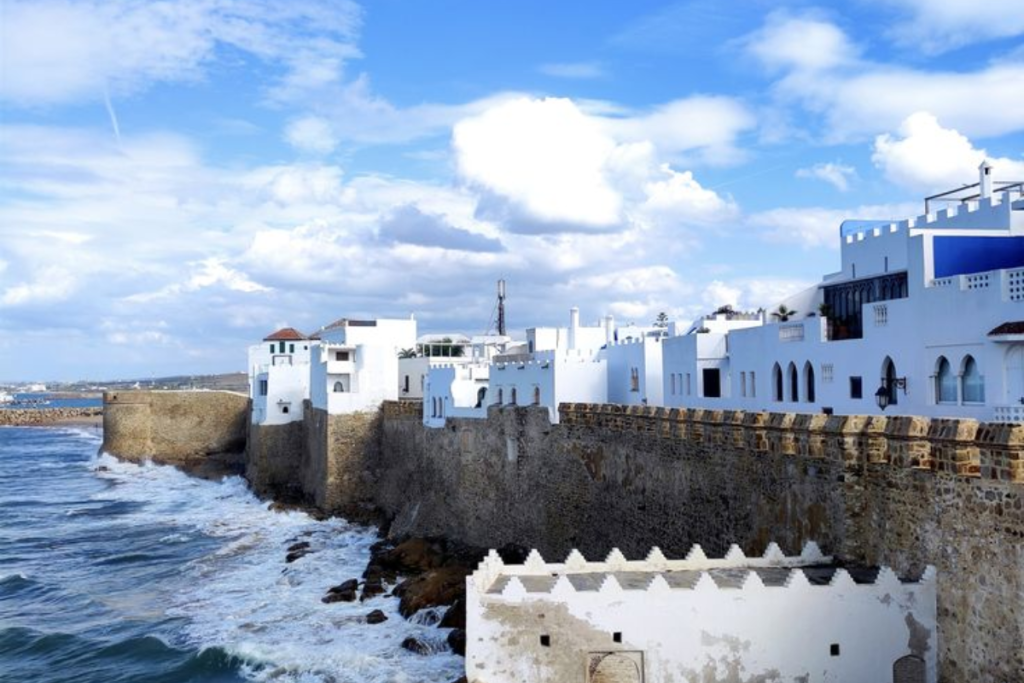
Many travelers treat Marrakech and the Sahara as the entire Morocco story, yet Morocco becomes more complete when you add at least one contrasting region. If you want a calmer finish, the Atlantic coast is a natural choice, and a few days by the sea can reset your energy after long interior drives. Alternatively, if you want more history and artisan depth, pairing Marrakech with an imperial city experience in Fes adds a powerful cultural contrast that rounds out the trip.
This is why the phrase Where to Go in Morocco is best answered by thinking in “chapters” rather than in isolated highlights. A coherent Morocco itinerary often moves between a high-energy medina, an open landscape region, and a slower coastal or mountain finish. When you plan that rhythm intentionally, your trip feels less like constant stimulation and more like a story with natural peaks and rests, which is exactly the experience most travelers hope to have.
Comparing Other Desert Gateways: Fes, Casablanca, and Tangier Options
Even if Marrakech is your main base, it helps to understand other departure cities because itinerary logic changes with geography. For example, Morocco desert tours from Fes are often ideal for travelers who want a one-way traverse that ends in Marrakech, since the route flows naturally from the north through changing landscapes into the Sahara region and then onward. Similarly, Fes desert tours can feel especially dramatic because the transition from medieval medina to wide-open desert is intense and memorable.
If you’re arriving through the coast, Casablanca desert tours can work well as part of a full-country circuit that includes Rabat and Fes before reaching the dunes, and Sahara Tours from Casablanca are often designed for travelers who have more days and want a broader narrative. Meanwhile, Desert Tours from Tangier are best for travelers planning a longer north-to-south journey, because Tangier is far from the Sahara and the route benefits from layered stops and extra time. Understanding these options helps you choose the right starting point for your full itinerary, even when Marrakech is the highlight.
Turning a Desert Trip Into a 3 Weeks in Morocco Itinerary (Without Losing Flow)
If you have the time, a 3 weeks in Morocco itinerary is often the best way to experience Morocco without rushing. Three weeks allows you to add northern highlights, spend more time in major cities, and include the Sahara with a pace that feels comfortable rather than compressed. Instead of packing and moving constantly, you can add rest days, longer stays in riads you love, and deeper cultural experiences that don’t fit into shorter schedules.
Additionally, longer itineraries give you freedom to travel seasonally and adjust for comfort. In hotter months, you can lean into coastal time and higher elevations while still planning the Sahara at the most manageable point in your route. In cooler months, you can enjoy cities more fully and select desert camps that prioritize warmth and comfort. When planned thoughtfully, three weeks transforms Morocco from a highlights tour into a lived experience, which is why many repeat travelers consider it the ideal timeline for Authentic Morocco Travel Experiences.
How to Choose the Best Operator: Questions That Separate Great Tours From Generic Ones
When comparing companies, focus on details that reflect real operations: how many hours you drive each day, where you stop for lunch, what camp category is included, and whether accommodations are in convenient locations. A strong operator will answer clearly and will often volunteer practical advice, because experienced planners know that honesty creates better trips and fewer complaints. If answers feel vague, or if the company avoids specifics, it’s often a sign that the trip is built more for marketing than for traveler comfort.
It’s also wise to confirm group size limits, language support, and whether guiding is consistent across the route. For Small Group Morocco Tours, ask how many travelers are typical, because “small” can mean different things in practice. For private travel, ask how the itinerary is customized, because true customization is what distinguishes custom Morocco tours and tailor made Morocco tours from a standard route with private transport. The more transparent and thoughtful a company is before you pay, the more likely it is to deliver a smooth experience on the road.
Common Mistakes on Sahara Desert Tours from Marrakech (and How to Avoid Them)
One of the most common mistakes is underestimating distances and booking the shortest itinerary that claims to “do the Sahara.” While it can be tempting to squeeze the desert into a tight schedule, the result is often exhaustion, limited dune time, and a feeling that the Sahara was something you drove past rather than experienced. Instead, choose an itinerary that protects at least one full desert evening and a calm morning, because those quiet hours are where the magic actually happens.
Another common mistake is focusing on headline destinations while ignoring comfort fundamentals like vehicle quality, camp location, and realistic daily timing. A beautiful photo of dunes does not guarantee a good night’s sleep or a relaxed pace, especially in peak seasons. Therefore, evaluate the entire chain of the experience—from Marrakech pickup to the final return—because the best trips are consistent all the way through, not just impressive at one highlight moment.
Responsible Desert Travel: Supporting Communities and Protecting Fragile Landscapes
Responsible travel in desert regions matters because resources are limited and ecosystems are sensitive. Simple habits like reducing plastic waste, conserving water, and respecting local rules around driving routes can make a meaningful difference. In addition, choosing operators who work with local partners fairly can help ensure tourism supports communities rather than extracting value from them without benefit. When a tour is run responsibly, it often feels better as a traveler because the experience carries less ethical friction.
Furthermore, responsibility and quality tend to align. Operators who prioritize sustainability are often more professional overall, because they think long-term and manage logistics carefully. That professionalism usually shows up in better communication, better timing, and more respectful cultural interactions. If you want Authentic Morocco Travel Experiences, responsible choices are part of authenticity, because authenticity is not only about what you see—it’s also about how you travel and who benefits from your presence.
Conclusion: How to Book Desert Tours from Marrakech With Confidence
The best Desert Tours from Marrakech are the ones that match your real timeline, comfort preferences, and travel identity. If you want iconic dunes, give yourself enough days and choose a route that balances scenery, rest, and genuine desert time. If you want a shorter escape, Agafay can deliver a beautiful atmosphere without long drives, and it can fit easily into a bigger Morocco plan that includes cities, coast, and mountains.
Finally, choose your format wisely: small group travel for convenience and social energy, private travel for control and pacing, and tailor-made planning when you want a truly personal rhythm. When you select the right operator, ask clear questions, and book a route designed for humans rather than for marketing slogans, you’ll understand why so many travelers consider Morocco’s desert journeys a highlight of the best Morocco tours available anywhere.


