

Fes Desert Tours are one of the most dramatic ways to experience Morocco because they take you from an ancient imperial city to the wide-open spaces of the Sahara in just a few days. Fes is famous for its historic medina, artisan souks, and traditional culture. However, it’s also a powerful starting point for a road journey that crosses forests, mountains, oases, and finally the dunes of Erg Chebbi near Merzouga.
At the same time, a desert trip should feel like more than a quick “photo stop in the sand.” The best Morocco desert tours from Fes blend scenery with comfort, cultural understanding, and enough time to enjoy the experience without rushing. In this guide, you’ll find clear itineraries (2 to 5+ days), planning tips, cost guidance, and the differences between private travel, Morocco Small Group Tours, and Authentic Small Group Morocco Tours—so you can choose what fits your style and your schedule.
What Are Fes Desert Tours (and What Do They Usually Include)?
In most cases, “Fes Desert Tours” refers to multi-day trips from Fes to the Sahara region—most commonly Merzouga and the dunes of Erg Chebbi—using a private vehicle or shared transport. These tours usually include hotel nights on the road (depending on duration), a desert camp night, dinner and breakfast, and a camel trek or 4×4 transfer into the dunes. Because the Sahara is far from Fes, the journey is a key part of the experience, not just a transfer.
Even so, the exact inclusions vary widely between operators. Some packages include local guides in Fes or Merzouga, while others provide only a driver and accommodation. Likewise, “standard camp” and “luxury camp” can mean very different levels of comfort depending on the company. Therefore, your first step is always to compare what’s included—vehicle type, number of nights, camp facilities, meals, and timing—so your Fes desert tour matches your expectations.
Why Start a Sahara Trip in Fes?
Starting in Fes creates a strong contrast that makes the desert feel more powerful. You begin in a dense, history-rich environment filled with narrow lanes, mosaic craftwork, and centuries-old architecture. Then, as you head southeast, Morocco opens up into a series of changing landscapes that feel like chapters in a travel story. This gradual transition is exactly why travelers love Fes Desert Tours.
In addition, Fes is a natural hub for travelers who explore northern Morocco first. If your route includes Chefchaouen or Tangier, you can reach Fes easily and continue south in a logical line. That’s also why Desert Tours from Tangier often pass through Fes before continuing to Merzouga. As a result, Fes-based Sahara travel often fits better into a wider itinerary than people initially expect.
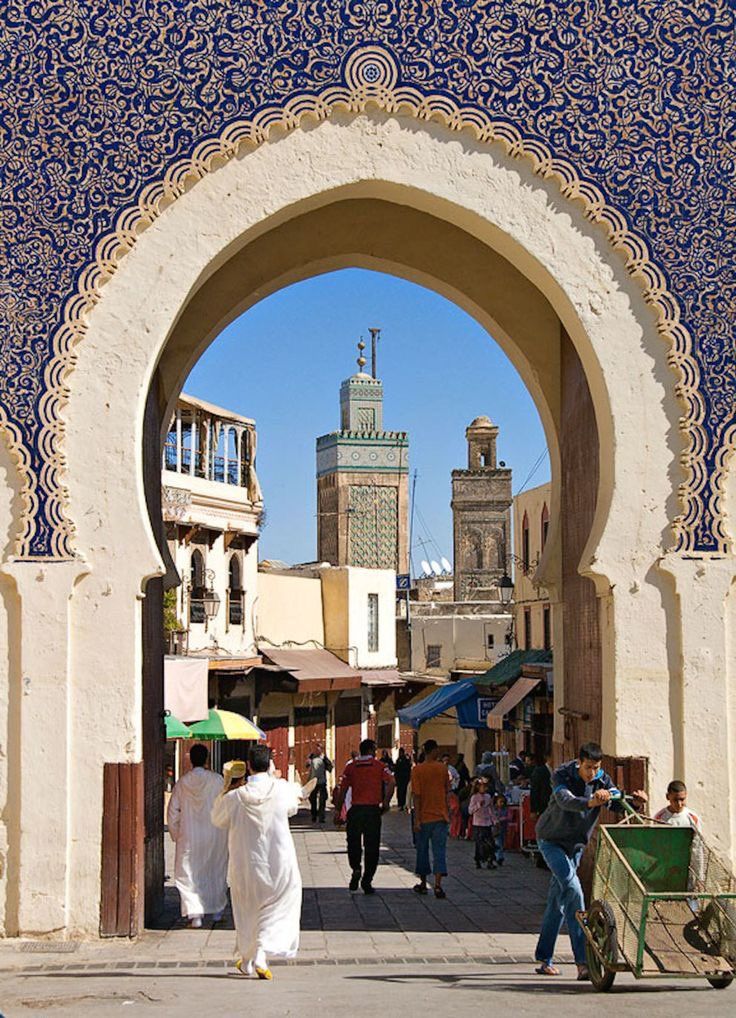
Tours From Fes :
The “Two Main Sahara Choices” from Fes: Merzouga vs Other Desert Zones
When travelers imagine the Moroccan Sahara, they usually picture tall dunes—and for that, Merzouga (Erg Chebbi) is the top choice. Erg Chebbi offers large dunes, classic sunset views, and a true sand-sea atmosphere that feels distinctly Saharan. This is why the majority of Fes desert tours focus on Merzouga as the main destination.
However, Morocco has more than one “desert experience.” Some routes go toward different southern regions, including rocky desert landscapes and palm valleys. Still, if your goal is a “dunes + camel + camp” experience, Merzouga is the most reliable match. Therefore, before choosing any itinerary, decide whether you want towering dunes (Merzouga) or a different type of desert landscape—because that single preference will shape your route and your tour duration.
Morocco Desert Tours from Fes: What the Route Looks Like (Step-by-Step)
Most Fes-to-Merzouga routes cross the Middle Atlas, pass through Midelt, continue via the Ziz Valley, and then reach Erfoud/Rissani before arriving in Merzouga. Along the way, you’ll see a surprising variety of Morocco—cool forests, highland towns, semi-arid plains, and palm oases that appear almost suddenly. In other words, the journey builds anticipation because the environment changes repeatedly before you ever touch the dunes.
Just as importantly, the best operators treat the road like an experience rather than a race. They schedule scenic stops at viewpoints, allow time for rest, and choose overnights that break up long driving days. This matters because if you arrive to the desert tired and rushed, even the dunes can feel less enjoyable. Therefore, the “route quality” (stops, timing, comfort) is one of the biggest factors that separates average tours from the best Morocco tours.
Key Scenic Stops on Fes Desert Tours (What You’ll Actually See)
A typical route includes Ifrane, known for its neat streets and alpine-style architecture, and the cedar forests near Azrou, where you may see Barbary macaques. These early stops are memorable because they feel far from what most travelers imagine as “Morocco.” Then, as you continue toward Midelt, the landscape becomes more rugged and open, creating a clear shift toward the southeast.
Later, the Ziz Valley becomes one of the most photogenic moments of the drive. From elevated viewpoints, you can see a ribbon of green palms and cultivated plots cutting through dry terrain—an instant lesson in how life clusters around water. After that, towns like Erfoud and Rissani act as Sahara gateways before you reach Merzouga. Consequently, by the time you arrive at Erg Chebbi, the desert feels earned—not simply reached.
Best Time of Year for Fes Desert Tours (Weather and Comfort)
Spring (March to May) and autumn (September to November) are generally the best seasons because temperatures are comfortable across most of the route. You can explore during the day without extreme heat, and nights in the desert are cool but manageable with warm layers. These seasons also bring excellent light for sunrise and sunset, which is ideal if you care about photography.
Winter (December to February) is possible and can even be beautiful, but desert nights can be very cold. Meanwhile, summer (June to August) can be extremely hot in the southeast, which affects comfort, driving fatigue, and activity timing. Therefore, if you travel in summer, you should prioritize early and late activities, choose a higher-comfort camp, and plan hydration seriously. In every season, however, the key is packing for temperature swings—because Sahara weather changes faster than most travelers expect.
How Long Should a Fes Desert Tour Be? (A Practical Answer)
Two days is the fastest option, but it’s usually the most tiring because the distance is significant and time in the dunes is limited. Three days is the most popular compromise because it allows more stops and a more reasonable rhythm. Four days often provides the best comfort-to-time ratio because it creates breathing space for scenic breaks, camp enjoyment, and optional activities around Merzouga.
If your Morocco route includes Marrakech, then a one-way itinerary often becomes the smartest choice. Instead of returning to Fes, you can travel Fes → Merzouga → valleys/kasbah routes → Marrakech. This is where tailor made Morocco tours and custom Morocco tours become especially valuable because they let you connect major destinations without repeating roads. As a result, your desert trip becomes a core segment of a bigger Morocco journey rather than an isolated loop.
2-Day Fes Desert Tours: Who They Fit (and Who Should Avoid Them)
A 2-day Fes desert tour is best for travelers with very limited time who still want the iconic Sahara camp experience. Typically, day one includes a long drive with scenic breaks, followed by a sunset transfer into the dunes. Then, day two starts with sunrise and an immediate return drive to Fes. You do get the “desert night,” but you should expect a fast pace.
However, many travelers find this schedule exhausting, especially if they dislike long vehicle days. Families with younger children and travelers who want more cultural stops often prefer at least three days. Therefore, treat a 2-day trip as a “short introduction,” not as a deep desert immersion. If you want calmer evenings, better photo timing, and less time watching the clock, extend the duration.
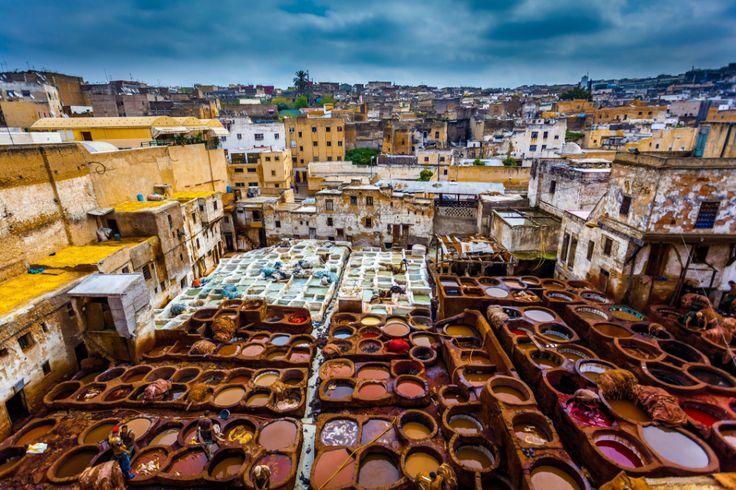
2-Day Sample Itinerary (Typical Structure)
On day one, you leave Fes early and travel through Middle Atlas scenery, possibly stopping in Ifrane and the cedar forests near Azrou. Afterward, you continue through Midelt and toward the Ziz Valley. You arrive to Merzouga late afternoon and transfer toward the camp by camel or 4×4. Then, you have dinner and sleep in the desert.
On day two, you wake for sunrise, eat breakfast, and return to Merzouga by camel or vehicle. After that, you drive back toward Fes, with stops depending on time and pace. This itinerary works, but it is intense. Consequently, if comfort matters and your schedule allows it, a longer trip is usually a better experience.
3-Day Fes Desert Tours: The Most Popular Balance
A 3-day tour usually spreads driving more intelligently while still fitting a typical vacation schedule. Often, day one ends with an overnight stop around Midelt or a nearby region, which reduces fatigue. Then, day two reaches Merzouga with enough time for a sunset experience and a camp night. Finally, day three returns to Fes (or occasionally ends elsewhere if arranged).
That said, not all 3-day tours are equal. Some still involve very long driving hours with limited free time at the camp. Therefore, always ask for a detailed schedule: where you sleep each night, how long the drive is, and how much time you spend in Merzouga/Erg Chebbi. A good 3-day plan feels like a journey; a poor one feels like nonstop transport.
3-Day Sample Itinerary (Comfort-Focused Version)
Day one typically includes scenic driving from Fes into the Middle Atlas, with stops such as Ifrane and Azrou. After that, you continue toward Midelt for an overnight stay. This gives you time for a relaxed dinner and a more comfortable night before continuing deeper southeast. In addition, it makes day two feel smoother because you start closer to the Sahara corridor.
Day two continues via the Ziz Valley, viewpoints, and desert gateway towns such as Erfoud or Rissani before reaching Merzouga. You then experience sunset and sleep in a desert camp. Day three includes sunrise and the return to Fes. As a result, you get the key highlights while keeping the pace realistic for most travelers.
4-Day Fes Desert Tours: Best for Comfort, Families, and Authenticity
A 4-day tour is often the best choice if you want a deeper experience without feeling rushed. It creates space for longer viewpoint stops, a more relaxed evening at camp, and sometimes an extra activity day around Merzouga. This extra day can change everything because it allows you to enjoy the Sahara atmosphere rather than “arrive, sleep, leave.”
In addition, 4-day tours are ideal for travelers seeking Authentic Morocco Travel Experiences. With better pacing, you can include calmer village moments, meaningful food stops, and real conversations with local guides. This is also a strong option for Morocco Family Tours, because it reduces daily driving pressure and allows more breaks. Consequently, a 4-day itinerary often feels like a true travel experience rather than a compressed checklist.
4-Day Sample Itinerary (More Time in Merzouga)
Day one travels from Fes to a comfortable mid-route overnight stop with scenic breaks. Day two continues through the Ziz Valley and reaches Merzouga, followed by sunset and your desert camp night. The difference begins on day three: rather than immediately driving back, you explore around Merzouga—possibly with a short 4×4 excursion, a dune walk, or a cultural visit depending on the operator.
On day four, you return to Fes with a more relaxed pace. Because you are not trying to “fit everything into one desert evening,” the overall energy feels better. Therefore, if you value comfort, photography, and a more complete understanding of the region, a 4-day Fes desert tour is usually a smarter investment.
One-Way Fes Desert Tours to Marrakech (The “Best Route Logic” Option)
If your trip includes both Fes and Marrakech, the most efficient plan is often a one-way desert crossing rather than a round trip back to Fes. This route commonly goes Fes → Merzouga → Todra Gorge/Dades Valley → Ouarzazate/Aït Ben Haddou → Marrakech. It’s one of Morocco’s classic overland journeys because it links major highlights without repeating roads.
This is exactly where tailor made Morocco tours and custom Morocco tours shine. You can adjust pacing, choose accommodation level, and build in extra scenery stops depending on your interests. Additionally, this route pairs naturally with Marrakech desert tours and broader southern exploration. As a result, your Sahara segment becomes part of a coherent Morocco storyline rather than a standalone detour.
Fes Desert Tours: Camel Trek vs 4×4 Transfer (How to Choose)
Camel trekking is iconic and often feels like a timeless Sahara ritual, especially at sunset. It’s slow-paced, scenic, and emotionally memorable for many travelers. However, camel rides can be uncomfortable for some people, particularly on longer routes, and not every traveler enjoys the physical balance required. Therefore, it’s important to view camel trekking as an option—not a requirement.
A 4×4 transfer can be more comfortable and is often better for families, travelers with mobility concerns, or those who simply prefer not to ride animals. Some travelers do camel one way and 4×4 the other for variety. Consequently, the best tour is the one that respects your comfort while still giving you quality time in the dunes. Always confirm ride length, timing, and alternatives before booking.
The Desert Camp Experience: What to Expect (and What to Ask)
A Sahara camp night usually includes dinner, time to relax, and a chance to enjoy the night sky away from city lights. Some camps offer music and group atmosphere, while others focus on quiet stargazing and calm. Because camp styles vary widely, it’s essential to ask what the experience is like rather than assuming all camps offer the same vibe.
You should also confirm practical details: private or shared bathrooms, heating for colder months, bedding quality, and where the camp is located relative to the dunes. “Luxury camp” can mean different things depending on the operator, so ask for real photos and a clear list of inclusions. As a result, you avoid disappointment and choose a camp that supports a comfortable, memorable night.
Small Group Morocco Tours vs Private Tours (What’s Better for You?)
Small Group Morocco Tours are often ideal for solo travelers, couples, and friends who want a social experience and shared costs. You get organized logistics—transport, timing, and accommodation—without needing to plan each detail yourself. Additionally, group travel can feel safer and easier on complex road segments, especially for first-time visitors.
Private tours are better if you want control over timing, stops, and accommodation choices. They are particularly useful for photographers who want flexible sunrise/sunset timing, families who need frequent breaks, and travelers with dietary or mobility needs. Still, private travel costs more, so you should compare what’s included and decide what level of flexibility truly matters. Consequently, the “best” choice depends on your priorities, not just on budget.
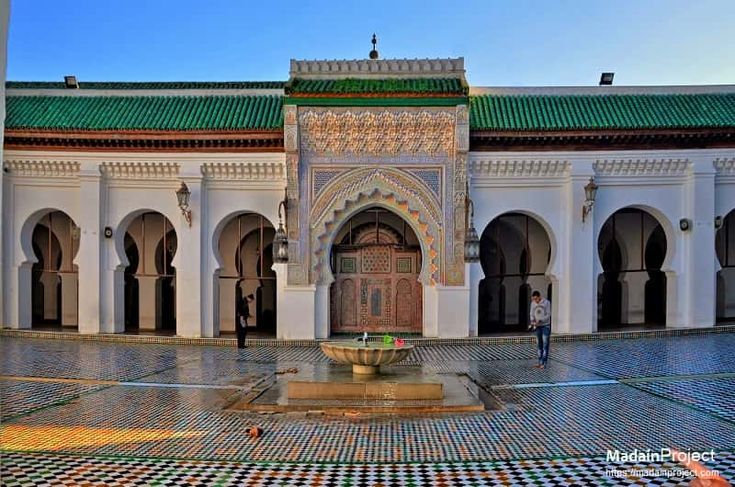
Authentic Small Group Morocco Tours: How to Spot a High-Quality Tour
Authentic Small Group Morocco Tours usually have clear group-size limits, transparent itineraries, and fewer forced shopping stops. They often include local guides where appropriate and choose accommodation that reflects Moroccan hospitality—such as riads and quality desert camps—rather than generic roadside hotels. In addition, authentic tours prioritize pacing, because meaningful travel requires time.
To verify authenticity, read reviews that describe specific details: vehicle comfort, guide professionalism, cleanliness, and the actual daily schedule. Ask directly how many travelers are in the group and whether the driver also acts as a guide. Moreover, confirm whether cultural stops are respectful and not exploitative. As a result, you choose a tour that supports Authentic Morocco Travel Experiences rather than just selling the label.
Morocco Family Tours: How to Make a Fes Desert Tour Comfortable with Kids
Morocco Family Tours can include Merzouga successfully if you plan the pace realistically. Long drives are the main challenge, so choose itineraries with regular breaks and overnight stops that reduce fatigue. In addition, confirm camp bathroom facilities, bedding, and heating if you travel in cooler seasons. Comfort matters more with children because small discomforts feel bigger after a long day on the road.
Also consider whether camel riding suits your family. Some children love it, while others find it scary or uncomfortable. Therefore, ask about 4×4 alternatives and whether your operator offers shorter camel segments. Pack snacks, sun protection, and warm layers for evenings. Consequently, a family desert tour becomes exciting and smooth instead of stressful and rushed.
Morocco Adventure Tours: Add More Than Just Dunes
If you want a more active itinerary, Morocco adventure tours can combine the Sahara with gorges, valleys, and scenic walks. One-way routes that include Todra Gorge and Dades Valley are especially strong because they add dramatic canyon landscapes and winding mountain roads to the desert story. This variety makes the trip feel like an expedition rather than a single-destination tour.
Even in Merzouga itself, you can add adventure elements like dune walks, sandboarding, or a guided 4×4 loop (depending on what is offered responsibly). However, safety and environmental respect should always come first. Choose operators who explain risks clearly, avoid reckless driving, and minimize waste. As a result, your adventure stays enjoyable and sustainable.
Casablanca Desert Tours, Sahara Tours from Casablanca, and Why They Matter
Many travelers land in Casablanca because it has the strongest international flight network. For that reason, Casablanca desert tours and Sahara Tours from Casablanca are often built as longer circuits that include Fes before heading to Merzouga. Casablanca is far from the dunes, so these tours typically make sense only if you have enough days to create a logical route across Morocco.
If you are already in Fes, however, it’s usually more efficient to start the desert trip there rather than from Casablanca. Still, Casablanca-based circuits can be perfect for travelers who want a start-to-finish organized trip without managing multiple bookings. Consequently, Casablanca desert tours are best viewed as “full Morocco loops,” while Fes desert tours are a more direct gateway to the Sahara.
Marrakech Desert Tours and Sahara Desert Tours from Marrakech (How They Compare)
Marrakech desert tours often cross the High Atlas Mountains and include famous kasbah routes such as Aït Ben Haddou and Ouarzazate. Therefore, the scenery tends to emphasize mountain passes and fortress villages before reaching desert regions. Sahara desert tours from Marrakech are extremely popular because Marrakech is a major tourist hub with abundant departures.
By contrast, Morocco desert tours from Fes typically highlight the Middle Atlas, cedar forests, and the Ziz Valley oasis corridor on the way to Merzouga. Neither is “better” for everyone; the best option depends on your itinerary flow and the landscapes you prefer. Consequently, if you plan to visit both cities, a one-way desert crossing between Fes and Marrakech often becomes the smartest plan.
Desert Tours from Tangier: Who Should Choose Them?
Desert Tours from Tangier are ideal for travelers entering Morocco from Spain or exploring the north first. These itineraries often include Chefchaouen and Fes before continuing to the Sahara. The advantage is that you can experience Morocco’s north-to-south diversity in one continuous route. The challenge is time, because Tangier-to-desert routes are long and need proper pacing.
If you have enough days, Tangier-to-Merzouga routes can be one of the most satisfying ways to see Morocco’s range. If you have limited days, however, it’s usually better to focus on fewer regions rather than rushing through everything. Therefore, choose Tangier-based desert tours only if your schedule supports a slower, more comfortable itinerary.
Where to Go in Morocco Before or After Your Fes Desert Tour
If you’re planning Where to Go in Morocco around your Sahara experience, it helps to “cluster” destinations by geography. Before the desert, many travelers choose Chefchaouen, Meknes, and Volubilis, or simply extra time in Fes for culture and food. After the desert, popular next steps include Todra Gorge, Dades Valley, Ouarzazate, Aït Ben Haddou, and then Marrakech. This creates a smooth line across the country.
In addition, coastal time can be the perfect recovery after long road travel. Essaouira is a common favorite because it offers sea air and a slower rhythm after the intensity of cities and desert driving. Consequently, the best Morocco plans mix high-energy medinas with calm landscapes, so the trip feels balanced instead of exhausting.
How Fes Desert Tours Fit into a 3 Weeks in Morocco Itinerary
A 3 weeks in Morocco itinerary is long enough to enjoy northern cities, imperial culture, the Sahara, and the Atlantic coast without rushing. One strong route is: Casablanca → Rabat → Tangier → Chefchaouen → Fes → Merzouga (Fes desert tour segment) → Dades/Todra → Marrakech → Essaouira → back to Casablanca (or fly out of Marrakech). This structure reduces backtracking and keeps the story coherent.
Moreover, this longer itinerary lets you choose comfort over speed. You can add rest days in Fes or Marrakech, stay two nights in the desert region instead of one, and include scenic valley stops without feeling pressured. As a result, the Sahara becomes a highlight rather than a tiring “long drive.” If you want the trip to feel truly complete, this kind of pacing is what turns a good itinerary into a memorable one.
Pricing: How Much Do Fes Desert Tours Cost? (What Impacts the Price)
Costs depend on tour length, group size, vehicle comfort, accommodation category, and season. Shared morocco group tours are typically cheaper per person, while private tours cost more because the vehicle and driver are dedicated to you. In addition, camp category matters a lot—luxury camps with private bathrooms and higher comfort will increase the total cost, but they often improve the experience significantly.
To compare pricing fairly, always compare inclusions. Some tours include dinners, breakfasts, camel trekking, and camp transfers, while others list a low price and charge extra for core elements. Ask for a written breakdown: nights, accommodation type, meals included, camel vs 4×4, and any entrance fees. Consequently, “best value” usually means clear inclusions and realistic pacing—not the lowest headline price.
What to Pack for Fes Desert Tours (Comfort + Practical Essentials)
Pack for changing temperatures. Even if it’s warm in the day, desert nights can be cold, especially in autumn and winter. Bring light daytime clothes plus a warm layer, warm socks, and closed shoes for sand and uneven ground. Also bring sunglasses, sunscreen, lip balm, and a scarf for wind or dust.
In addition, pack a small overnight bag for the camp, because large luggage may stay in the vehicle or be transported separately. A portable charger, basic toiletries, wet wipes, personal medication, and a small flashlight can improve comfort. If you’re traveling in peak cold months, ask your operator about heating and bedding, and pack accordingly. As a result, you’ll enjoy the desert night instead of simply enduring it.
Responsible Travel: How to Keep the Sahara Beautiful
The Sahara is fragile, and waste can remain in the landscape for a long time. Use refillable water where possible, avoid single-use plastic, and never leave trash behind—even small items. Follow your guide’s instructions about where to walk and where vehicles can travel, because dune environments can be damaged by careless movement.
Respect for local communities is equally important. Ask permission before photographing people, dress appropriately in villages, and support local businesses when you buy souvenirs or snacks. If a tour offers cultural visits, ask how those experiences benefit locals and whether they are respectful. Consequently, responsible travel protects both the environment and the quality of the experience for future visitors.


