

Group Tours Morocco: The Complete Guide to Small Groups, Desert Routes, Cities, and Authentic Experiences
Morocco is made for shared travel. The country is social by nature—tea is poured and re-poured, stories are told in markets, and long drives become part of the adventure—so it’s no surprise that group tours Morocco searches keep growing every year. Still, not all group trips feel the same: some are fast and checklist-focused, while others are designed to slow down, connect with people, and enjoy Morocco’s variety without feeling rushed.
This guide is written to help you choose the right style of group travel, build realistic expectations, and plan a route that feels coherent from start to finish. Along the way, you’ll see how small group travel compares to private options, where the best desert gateways are, and how to align your trip with culture, comfort, and timing—so your Morocco trip feels like a journey, not a scramble.
What “Group Tours Morocco” Usually Includes (and What It Doesn’t)
In most cases, group tours in Morocco include transportation between cities, a guide or tour leader, and a fixed schedule that connects major highlights like Marrakech, Fes, and the Sahara. Because logistics can be challenging—medina navigation, long distances, and variable road speeds—a group format often removes friction, especially for first-time visitors who want confidence and structure. As a result, you spend less time planning and more time experiencing the country.
However, it’s important to read inclusions carefully, because not every “group tour” is fully guided in every city, and not every itinerary includes the same comfort level. Some tours include only breakfasts and leave lunches and dinners flexible, while others bundle most meals into the package. Similarly, desert experiences can range from basic camps to premium options, so understanding what’s included helps you avoid surprises and choose a trip that matches your expectations.
Why Choose Morocco Group Tours Instead of Traveling Independently?
Many travelers choose morocco group tours because they want to see a lot of the country without worrying about transport, language barriers, or negotiating every small detail. Morocco is friendly and travelable, yet it can still feel intense at first, especially in busy medinas where directions are confusing and attention is constant. With a group, your days tend to run more smoothly, and you often learn more because a guide adds context to what you’re seeing.
At the same time, the group format can improve your experience in subtle ways. For example, sharing a long Sahara approach drive feels easier when you have conversation, scenic stops, and a leader who paces the day well. Additionally, if you’re traveling solo, a group tour provides built-in community, which often turns a good trip into a memorable one because you’re sharing moments, not just collecting photos.
Big Groups vs Small Groups: Choosing the Right Size for Your Travel Style
Group size is one of the biggest factors in whether you’ll love your trip. Larger groups can lower costs and simplify operations, which is helpful if budget is your top priority and you don’t mind a more standardized pace. Nevertheless, large groups can be slower during check-ins, meal stops, and sightseeing transitions, which sometimes reduces spontaneity and makes days feel more “tour-like” than “travel-like.”
That’s why many travelers prefer Small Group Morocco Tours and Morocco Small Group Tours, especially if they want flexibility without losing the convenience of structure. With fewer people, it’s easier to stop for viewpoints, adjust timing, and choose smaller, more characterful riads rather than large hotels on city outskirts. In other words, small group travel often feels closer to independent travel—just with support and smarter logistics.
Authentic Small Group Morocco Tours: What “Authentic” Should Mean in Practice
The phrase Authentic Small Group Morocco Tours should mean more than a marketing label. In a well-designed itinerary, authenticity comes from respectful access and deeper storytelling: walking through neighborhoods beyond the main tourist lanes, understanding craft traditions from real artisans, and learning why certain foods, architecture styles, and customs exist. When a tour prioritizes explanation and cultural nuance, it naturally becomes more meaningful.
Additionally, authentic travel includes time to absorb what you’re seeing rather than rushing from one highlight to the next. The best trips build in breathing room for mint tea on a terrace, a slow market wander, or an unplanned stop at a roadside viewpoint. If you’re seeking Authentic Morocco Travel Experiences, look for tours that protect free time and reduce “forced shopping,” because genuine discovery rarely happens on a tight leash.
Where to Go in Morocco: The Regions That Work Best for Group Itineraries
If you’re deciding Where to Go in Morocco, the strongest group itineraries usually combine four core zones: an imperial city or two, a mountain or kasbah corridor, the desert gateway region, and either the Atlantic coast or an additional cultural city. This structure works because it alternates intensity and rest: medina energy, open landscapes, Sahara calm, then a softer coastal or city finish. Consequently, the trip feels balanced rather than exhausting.
Even so, Morocco is larger than it looks on a map, so “where to go” should be shaped by your arrival and departure points. For example, starting in Marrakech makes the south and desert routes straightforward, while starting in Tangier favors a north-to-south traverse with a longer narrative arc. When a route matches geography instead of fighting it, group travel becomes smoother, and you spend more time enjoying Morocco rather than sitting in transit.
What Makes the Best Morocco Tours “Best” for Group Travelers?
The best Morocco tours for groups tend to share a few practical traits: realistic drive times, early planning for peak-season stays, and enough nights in key places so the itinerary doesn’t feel like a sprint. A strong tour also clarifies what’s guided versus what’s independent, because travelers often want both structure and freedom. When this balance is done well, you get the benefits of a group without losing your personal sense of exploration.
Furthermore, the best tours deliver consistency in quality across the whole route. It’s easy to design a trip with one gorgeous riad and one disappointing overnight stop, but the overall experience is what you remember. For that reason, reputable group tour planners focus on the full chain—transport, pacing, accommodation category, and local guiding—so the trip feels coherent from your first city walk to your final airport transfer.
Marrakech as a Hub: How Marrakech Desert Tours Fit Into Group Travel
Marrakech is one of the most common starts for group itineraries because it’s well connected, exciting, and full of iconic sights. It also works as a natural staging point for Marrakech desert tours, since you can pair city exploration with a route through the High Atlas and kasbah landscapes before reaching the Sahara. As a result, the journey feels layered, not repetitive, and even “travel days” become part of the story.
That said, timing matters, because the desert is not next door. Many group trips offer Sahara desert tours from Marrakech, but the quality depends on whether the itinerary gives you enough nights to avoid punishing daily drives. If you want the Sahara to feel magical rather than rushed, choose an itinerary that spaces out the route with at least one kasbah-region overnight, so you arrive with energy and time to enjoy the dunes.

Tours From Morocco :
Fes as a Hub: Morocco Desert Tours from Fes and the North-to-South Flow
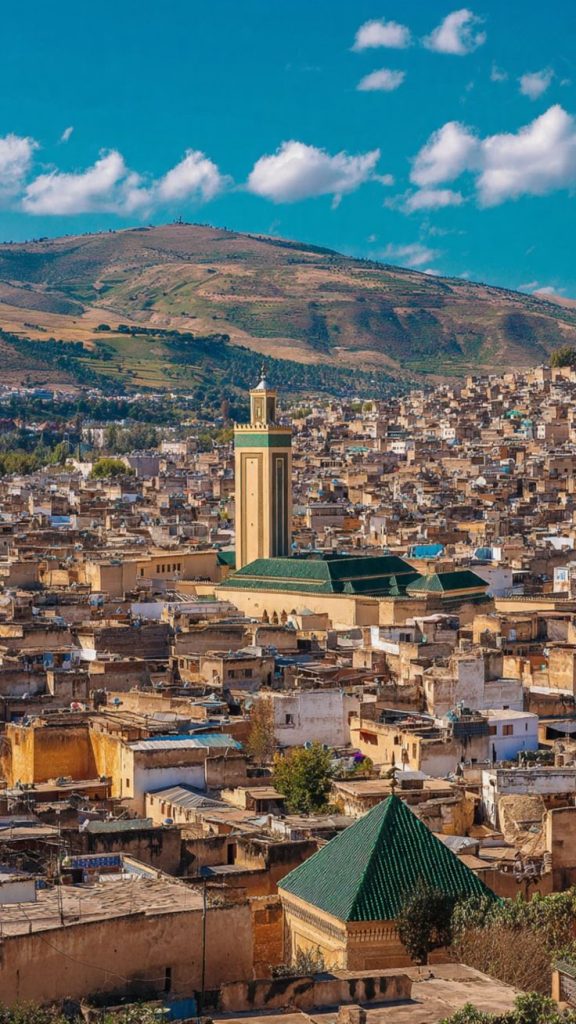
Fes offers a different entry into Morocco—more medieval, more artisan-focused, and often more immersive from day one. From here, Morocco desert tours from Fes typically move through Middle Atlas landscapes, cedar forests, and wide plateaus before reaching desert gateway towns. This gradual shift makes the Sahara arrival feel earned, which many travelers find emotionally satisfying, especially after the dense, intricate rhythm of the Fes medina.
Moreover, Fes desert tours often pair beautifully with a one-way route that ends in Marrakech, creating a logical north-to-south flow. Instead of returning along the same road, you keep moving through new scenery and finish in a city that’s ideal for a celebratory final night. For group travelers, that one-way design also reduces backtracking fatigue, which is a common reason people feel drained at the end of tightly packed tours.
Casablanca Desert Tours: When Starting in Casablanca Makes Sense
Casablanca can be a practical starting point, particularly for travelers flying in on convenient routes or those who want to see Morocco’s modern side before diving into older cities. Well-planned Casablanca desert tours usually incorporate Rabat and an imperial city—often Fes—before heading deeper into the interior. Therefore, Casablanca becomes a gateway, not just a transit stop, and your itinerary gains a broader perspective on Morocco’s diversity.
In addition, Sahara Tours from Casablanca tend to work best when you have enough time to let the route unfold naturally. Because distances are longer, a good plan includes meaningful stops, comfortable pacing, and clear expectations about driving hours. If you’re choosing between starting points, Casablanca can be excellent for a full-country narrative, especially when the route ends in Marrakech and you avoid unnecessary loops.

Desert Tours from Tangier: What to Know Before You Commit
Tangier is captivating, and it’s an ideal start if you want a Mediterranean-meets-Atlantic mood before heading south. However, Desert Tours from Tangier require careful routing because the Sahara is far from the northern coast. For that reason, the best itineraries treat the long journey as part of the experience by layering in scenic and cultural stops so you’re not simply watching kilometers go by.
Additionally, Tangier-based routes are perfect for travelers who want a true “cross-country” feeling. You can begin with sea views and café culture, then transition through northern landscapes, imperial cities, and finally desert silence. When you choose a well-paced group itinerary, the distance becomes a strength rather than a drawback, because the gradual shift in scenery makes Morocco feel vast, varied, and unforgettable.
Designing a Group Itinerary That Feels Coherent (Not Chaotic)
Coherence comes from rhythm. The strongest group trips alternate between high-energy days—like medina exploration—and slower days—like coastal evenings or desert time—so you don’t burn out. Likewise, coherence comes from limiting “one-night stands” in places that deserve more time, because constant packing and unpacking can quietly ruin your enjoyment even when the sights are spectacular.
Equally important, a coherent itinerary respects driving realities. Morocco’s roads can be beautiful yet slow, and photo stops happen naturally, so planning for realistic distances keeps the mood calm. When the route is designed with buffer time, travelers become more relaxed, guides become more flexible, and the trip feels like it’s flowing forward instead of constantly catching up.
Sample 7–10 Day Group Tours Morocco: The Most Popular Shape
In a 7–10 day window, most group itineraries focus on a classic storyline: Marrakech and the south, or Fes-to-Marrakech via the desert. This timeframe is long enough to see multiple regions, yet short enough that you must make smart trade-offs to avoid overpacking the schedule. As a result, the best shorter tours emphasize quality—fewer places, better pacing—rather than trying to “do everything.”
For example, a Marrakech-led tour might include the Atlas, a kasbah region overnight, a Sahara camp stay, and then return to Marrakech for a final medina evening. Alternatively, a north-to-south route might start with Fes, continue through desert landscapes, and finish in Marrakech with a guided wrap-up and free time. In both cases, the trip feels complete when each day has a purpose, not just a destination name.
3 Weeks in Morocco Itinerary: The Ideal Group Tour for Depth and Variety
If you have time, a 3 weeks in Morocco itinerary is where group travel becomes truly rewarding. Three weeks allows you to include northern cities, mountain scenery, imperial highlights, and the Sahara without compressing everything into long, exhausting drives. Consequently, you experience Morocco as a living country, not merely a string of postcard stops, and you have time for the small moments that make travel feel personal.
Moreover, three weeks gives you flexibility to travel seasonally. In hotter months, you can spend more time on the coast and in higher elevations, while still fitting in the desert at the most comfortable point in your route. You can also add rest days, which are surprisingly valuable in Morocco because medina walking, sensory intensity, and bargaining culture can be more tiring than travelers anticipate.
Morocco Family Tours: How Group Travel Works with Kids and Teens
Morocco Family Tours succeed when they blend culture with comfort and create a pace that works for different ages. Children often love Morocco’s colors, animals, music, and markets, yet long drives and late nights can be challenging. Therefore, family-focused group itineraries typically reduce overly ambitious mileage, include earlier dinners, and add downtime—such as pool time, beach time, or relaxed afternoons in a calm riad.
At the same time, family travel can still be deeply cultural. Short medina walks, hands-on cooking experiences, and gentle desert activities create engagement without overload. When a family itinerary is designed thoughtfully, parents get meaningful context and kids get interactive fun, which keeps morale high and makes the entire group—adults included—more open to authentic discovery.
Morocco Adventure Tours: Turning Group Travel Into an Active Experience
If you want movement and adrenaline, Morocco adventure tours can transform a group itinerary into something more physical and memorable. Trekking in the High Atlas, biking through valleys, surfing on the Atlantic, and exploring rocky desert landscapes can all fit into a structured group program. Because logistics are handled for you, you can focus on the experience itself instead of worrying about gear, transfers, or local coordination.
However, adventure travel also demands smart planning. The best operators build in realistic hiking times, weather awareness, and appropriate safety standards, particularly in mountain areas where conditions can shift quickly. When the pacing is responsible, adventure touring adds depth to your Morocco experience, because you don’t only observe landscapes—you engage with them in a way that stays vivid long after you return home.
Custom Morocco Tours vs Group Tours: How to Decide Without Regret
Group tours are ideal if you want structure, shared costs, and built-in social energy, yet they aren’t perfect for every traveler. If you have very specific priorities—like photography timing, slow mornings, or niche interests—custom Morocco tours can be a better fit because the schedule is built around you. In Morocco, that control can significantly improve comfort, especially if you want to spend longer in fewer places.
Still, the decision doesn’t have to be all-or-nothing. Some travelers choose a small group for the long-distance portion—like a desert crossing—and then add private days at the beginning or end. Others book a private tour that feels “group-like” for families or friends traveling together. The key is to match the format to your expectations, because satisfaction comes from alignment, not from choosing the most popular option.
Tailor Made Morocco Tours: How Personalization Can Still Feel Social
Tailor made Morocco tours are often associated with private travel, but they can also work for mini-groups such as friends, couples traveling together, or extended families. The advantage is that you keep the social warmth of traveling with people you like, while still shaping the route around your real habits—later starts, longer meals, fewer hotel changes, or more time in one region. As a result, the trip feels both personal and relaxed.
Additionally, tailor-made planning is useful when you want to adjust the “classic” Morocco circuit rather than repeat it. You might prioritize artisan workshops, food experiences, or remote landscapes, or you might prefer to avoid overly touristy stops. When you communicate your priorities clearly, a good planner can create a route that feels unique while still delivering the must-see highlights that make Morocco so compelling.
Desert Gateways Compared: Picking the Right Route for Your Group
The Sahara experience depends heavily on which gateway you choose and how you reach it. Some routes are famous for dramatic dunes, while others emphasize rocky desert scenery and oasis culture. Therefore, a good group itinerary clarifies what “desert” means in practice: dune time, camp quality, driving hours, and whether you’ll have space to walk, rest, and watch the sunset without being rushed.
Because many travelers compare options across departure cities, it’s useful to think in terms of fit rather than hype. In one conversation, you may hear people weigh “Fes desert tours Sahara Tours from Casablanca” alongside Marrakech-led routes and northern departures, yet the best choice is simply the one that matches your timeline and comfort level. When your desert plan is realistic, the Sahara becomes a highlight; when it’s squeezed into a tight schedule, it can feel like endurance.
What a High-Quality Sahara Night Should Feel Like on a Group Tour
A great Sahara night feels unhurried. Ideally, you arrive with enough daylight to settle in, climb a dune, and watch the sky change colors without checking the clock every five minutes. After dinner, the best camps create a calm atmosphere—sometimes with music, sometimes with quiet—so you can enjoy the feeling of distance and stillness that makes desert travel special.
At the same time, comfort is not just luxury; it’s also about smart management. Clear communication about bathrooms, electricity, bedding, and temperature changes helps everyone relax, especially on group trips where different travelers have different expectations. When an operator is transparent about what’s included and you pack appropriate layers, the Sahara experience becomes simple and magical rather than uncertain.
Accommodation on Group Tours: Riads, Hotels, Rooming, and Single Supplements
Accommodation choices shape your Morocco experience more than most travelers expect. Staying in a well-located riad changes your relationship with a city, because you can step into the medina early, return easily during the day, and enjoy a peaceful courtyard at night. On group itineraries, good accommodation planning also reduces stress because check-ins, departures, and meeting points become smoother.
Meanwhile, it’s important to understand rooming logistics. Group tours often offer shared twin rooms as standard, while solo travelers typically pay a single supplement for private rooms. If you care about specific features—like air conditioning in summer or heating in winter—confirm it in writing, because Morocco’s building styles and seasonal needs vary widely. When expectations match reality, travelers stay happier, and the group dynamic stays positive.
Food on Group Tours Morocco: How Meals Work and How to Eat Well
Food is a highlight of Morocco, and group tours can make it easier to eat well because guides know where quality and hygiene are consistent. Many tours include breakfasts and some dinners, while lunches are often flexible to keep the day moving naturally. This arrangement can be ideal, because you can choose lighter meals on hot days and linger longer when you find a place you love.
If you have dietary restrictions, communicate them early, because Morocco can accommodate many needs, yet it works best with planning. Additionally, don’t underestimate how satisfying simple Moroccan staples can be—fresh bread, olives, salads, seasonal fruit—especially when balanced with richer dishes like tagines and couscous. When meals are paced thoughtfully, they become part of the cultural experience rather than a logistical challenge.
Best Time for Group Travel in Morocco: Weather, Crowds, and Smart Timing
Timing affects everything from desert comfort to city walking energy. Generally, spring and autumn are the easiest seasons for blended group itineraries because temperatures are moderate across multiple regions. In contrast, summer can be very hot in Marrakech and the interior, which means your itinerary should either shift toward the coast and mountains or be designed with earlier starts and appropriate rest periods.
Winter, on the other hand, can be excellent for cities and even the Sahara, but it requires preparation for cold nights, especially in desert camps and mountain areas. Therefore, the best operators adjust schedules seasonally and recommend packing layers instead of assuming one “standard” climate. When you plan with weather in mind, group travel feels more comfortable, and everyone enjoys the route rather than coping with it.
Safety, Etiquette, and Comfort: How Good Tours Reduce Travel Friction
Morocco is generally safe for tourists, yet comfort improves when you understand local norms. Modest clothing in traditional areas, polite greetings, and asking before photographing people can dramatically improve interactions. On a group tour, a good guide helps you navigate these moments without anxiety, so you can stay relaxed and respectful while still enjoying the energy of markets and public spaces.
Additionally, great tours protect your time and attention. They create clear meeting points, help you avoid common scams, and guide you through medinas efficiently until you feel confident. As a result, you can enjoy free time without feeling lost or pressured. Ultimately, the best group trips don’t remove adventure; they remove unnecessary stress so the adventure feels fun instead of overwhelming.
How to Choose the Right Operator for Group Tours Morocco (Practical Checklist)
Choosing a tour company is easier when you prioritize clarity over hype. Look for transparent inclusions, realistic daily timing, and clear accommodation categories, because vague promises often lead to disappointment. Reviews matter, but it’s smarter to read them for repeated patterns—communication quality, punctuality, guide professionalism—rather than focusing only on star ratings.
Also, confirm the group size cap, guide language, and what happens if the minimum number of travelers isn’t met. For small groups, ask whether departures are guaranteed, and for mixed-format trips, ask which portions are guided versus independent. When an operator answers questions directly and provides details without evasiveness, it’s a strong sign they can deliver a smooth experience on the ground.
Packing and Booking Tips: Small Decisions That Improve the Whole Trip
Packing well for Morocco is mostly about layers and comfort. You’ll walk more than you expect, especially in medinas, so supportive shoes matter, and a light jacket often becomes useful even in warmer months due to evenings and air-conditioned vehicles. For the desert, plan for wind and dust as well as sun, because conditions can change quickly and comfort improves when you’re prepared.
Booking smart is equally important. If you’re traveling in peak seasons, reserve early because good riads and quality desert camps fill up fast, particularly on popular routes tied to Marrakech and Fes. Additionally, consider building a small buffer day at the start or end of your trip, because it reduces pressure and gives you flexibility if you want to extend a place you love. In group travel, a little breathing room often makes the entire experience feel more luxurious.
Conclusion: How to Make Group Tours Morocco Feel Personal, Not Generic
The best group tours Morocco feel personal because they respect pacing, protect free time, and create space for genuine connection with the country and the people you meet along the way. Whether you prioritize imperial cities, desert nights, coastal breaks, or mountain landscapes, the right group trip will feel coherent from start to finish. When the route is logical and expectations are clear, Morocco becomes easier to love because you’re not constantly managing logistics.
From there, you can choose the style that matches you: Morocco Small Group Tours for flexibility, Authentic Small Group Morocco Tours for cultural depth, Morocco Family Tours for comfort and kid-friendly pacing, or Morocco adventure tours for active days. If you prefer control, custom Morocco tours and tailor made Morocco tours can deliver a highly personal rhythm while still keeping the social warmth that makes Morocco so special.


