
Morocco Itinerary: The Ultimate Guide to Routes, Desert Tours & Authentic Experiences (2026)
Planning a morocco itinerary can feel confusing at first because Morocco is full of “must-see” places that are far more spread out than they look on a map. You can go from Atlantic beaches to snow-capped mountains, from ancient medinas to the Sahara’s dunes, all within one country. However, the distances, mountain roads, and transfer times mean that a great itinerary is less about adding more stops and more about choosing the right route logic.
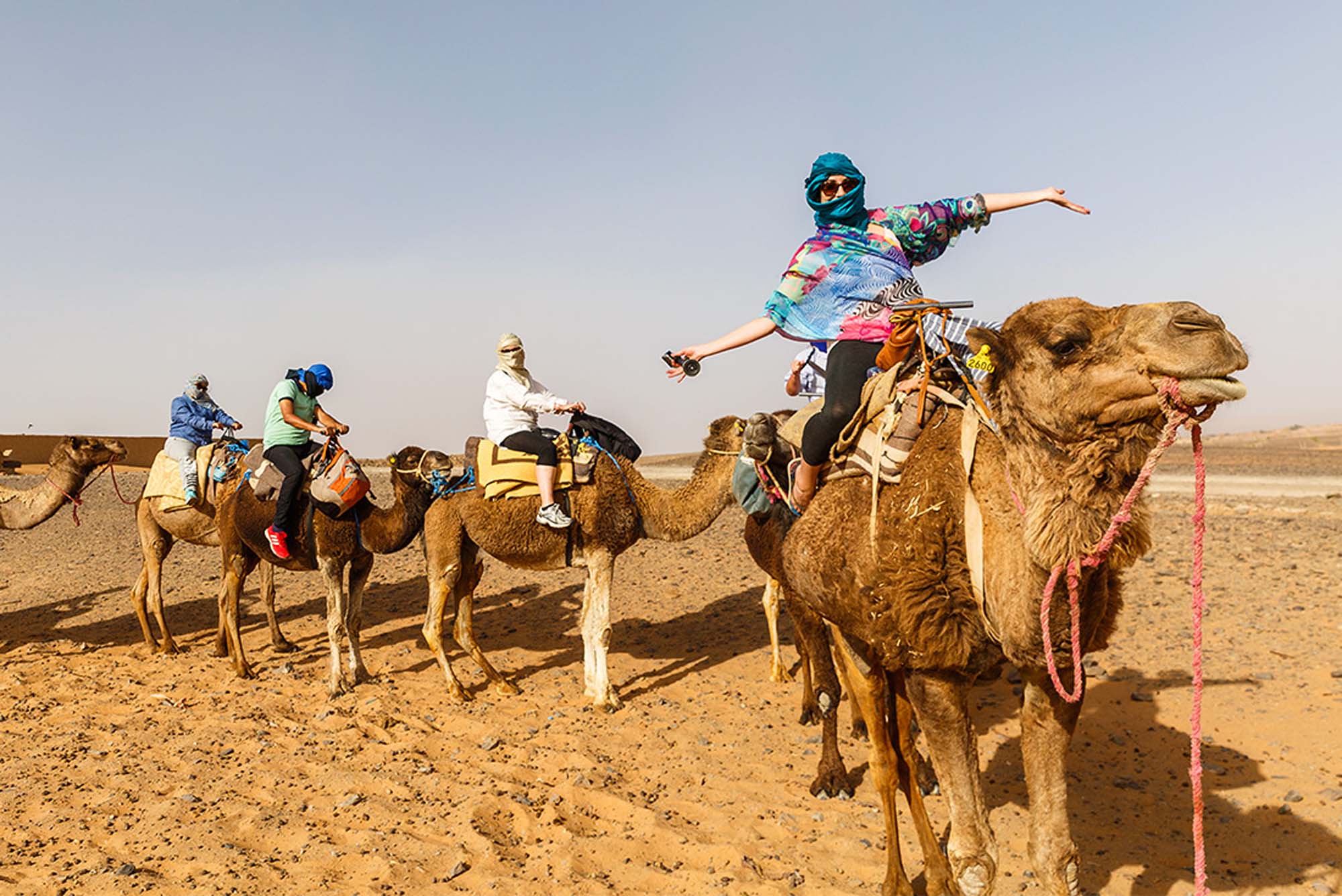
This guide gives you a complete itinerary framework you can actually use. You’ll find the best routes for 7, 10, 14, and 21 days, plus practical advice on transport, pacing, and tour styles. Along the way, you’ll see how to fit in desert options like Morocco desert tours from Fes, Sahara desert tours from Marrakech, Casablanca desert tours, and Desert Tours from Tangier—without turning your trip into a driving marathon.
How to Use This Morocco Itinerary Guide (So It Stays Realistic)
First, decide what type of trip you want: culture-heavy (Fes + Marrakech), landscape-heavy (Atlas + Sahara), or balanced (cities + desert + coast). Most travelers only truly enjoy three big regions in one week and four to five regions in two weeks, especially if they want time to wander medinas, not just photograph them. Therefore, the best itinerary is the one that protects your top priority while keeping the rest supportive.
Second, choose a route direction that reduces backtracking. Morocco works best as a one-way flow (for example Casablanca → Fes → Sahara → Marrakech) or a loop that makes geographic sense. As a result, you save time, feel less tired, and you also create more space for Authentic Morocco Travel Experiences like local food, hammams, artisan workshops, and unhurried sunsets in the desert.
Where to Go in Morocco: The “Big Regions” That Shape Your Trip
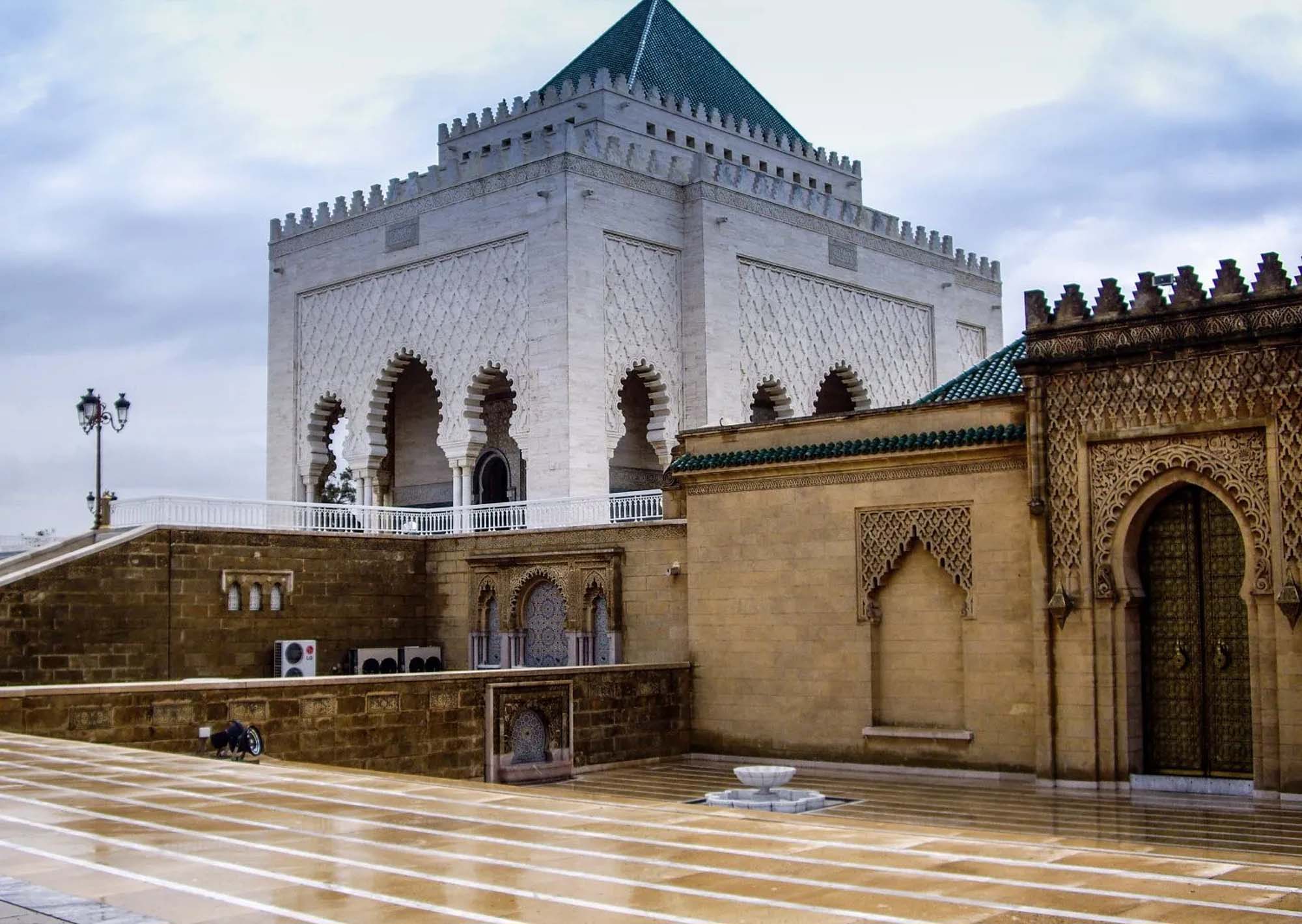
If you’re asking Where to Go in Morocco, think in regions rather than a long list of cities. The North (Tangier, Tetouan, Chefchaouen) is cooler and greener, with a Mediterranean rhythm and mountain scenery. The Imperial Cities region (Fes, Meknes, Rabat, Marrakech) is the cultural backbone of Morocco, with medinas, madrasas, crafts, and history in every alley.
Then, the South is about landscapes: the High Atlas, kasbah corridors, valleys, and the Sahara. Finally, the Atlantic Coast (Essaouira, Agadir, Taghazout) is slower and restorative, and it often balances the intensity of the medinas. Consequently, the strongest itineraries combine at least three “textures”: city + mountains + desert (or coast), so the trip feels varied but still coherent.
Best Time to Visit Morocco (And How It Affects Your Itinerary)
Spring (March–May) and autumn (September–November) are usually the best seasons because temperatures are comfortable in cities and along desert routes. These months are also ideal for long drives and outdoor sightseeing, because you can explore medinas during the day and still enjoy dunes and valleys without extreme heat. Additionally, sunrise and sunset light is often excellent, which matters because those moments are major highlights in the Sahara.
Summer (June–August) can be very hot inland and in the desert, although the coast stays cooler and more comfortable. Winter (December–February) brings pleasant daytime weather in many places, yet desert nights can become very cold, and mountain areas may be chilly. Therefore, if you travel in winter, pack warm layers for evenings, and if you travel in summer, schedule early departures and protect hydration—especially on desert segments.
Getting Around Morocco: Trains, Drivers, and Tours (What Works Best)
Morocco’s trains are strong on the Casablanca–Rabat–Tangier corridor, and they also connect Casablanca to Fes and Marrakech. If your itinerary stays mostly in the northwest, you can travel comfortably by train and use local taxis or walking tours within cities. However, once you enter the Atlas routes, valleys, and the Sahara, a private driver or organized tour becomes much more efficient than public transport.
That is why many travelers choose either private transport or morocco group tours for desert segments. A good driver or guide makes a real difference because they plan safe stops, manage timing, and reduce the mental load of long transfers. Consequently, if your itinerary includes Merzouga or any multi-day southern route, tours often improve the trip—not because Morocco is hard, but because Morocco is big.
Desert Planning: Choose Your Sahara Gateway (Fes, Marrakech, Casablanca, Tangier)
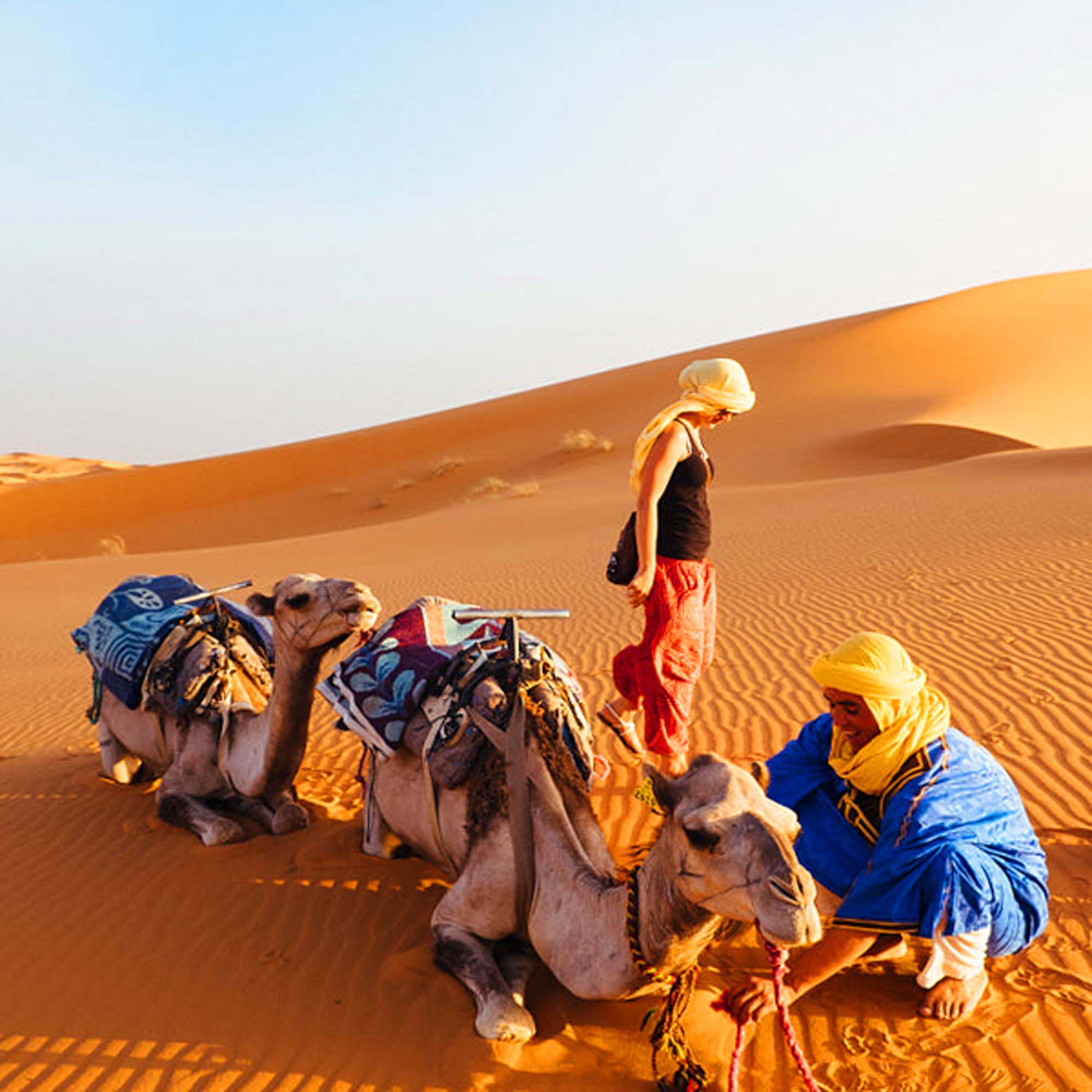
The Sahara is often the “dream” part of a Morocco itinerary, so route planning matters. Morocco desert tours from Fes (and Fes desert tours) typically approach Merzouga via the Middle Atlas and Ziz Valley, which creates a dramatic transition from forests and mountains to oasis corridors and finally dunes. This route is ideal if your itinerary includes Fes and you want the Sahara as a natural next chapter.
Meanwhile, Sahara desert tours from Marrakech (and broader Marrakech desert tours) often cross the High Atlas and include kasbah landmarks like Aït Ben Haddou and Ouarzazate. Casablanca desert tours and Sahara Tours from Casablanca are usually longer circuits because Casablanca is far from Merzouga, while Desert Tours from Tangier are best for travelers who begin in the far north and want a full cross-country story. Therefore, your desert gateway should match your flight plan and your route direction, not only popularity.
Morocco Small Group Tours vs Private Travel (and What “Authentic” Really Means)
Morocco Small Group Tours are popular because they offer organized logistics, shared costs, and a social travel style without the “big bus tour” feeling. If you want a balance of value and comfort, small group routes can be excellent, especially for solo travelers and couples. Still, “small group” can mean different things, so confirm the maximum group size and vehicle type before booking.
If you want full control of pacing, hotels, and stop time, then custom Morocco tours or tailor made Morocco tours are usually better. Private tours are especially useful for families, photographers, and travelers who want to start early or stop longer at viewpoints. In both cases, true authenticity comes from pacing and respect, not from slogans—so Authentic Small Group Morocco Tours usually have fewer forced shopping stops, more cultural context, and better time management.
Morocco Family Tours: How to Build a Comfortable Itinerary with Kids
Morocco Family Tours work best when you reduce fatigue and protect routine. That means fewer late arrivals, fewer back-to-back long driving days, and accommodations that support rest (for example, riads with easy access and hotels with family-friendly rooms). Families often enjoy Morocco more when they choose fewer bases and spend more nights per place.
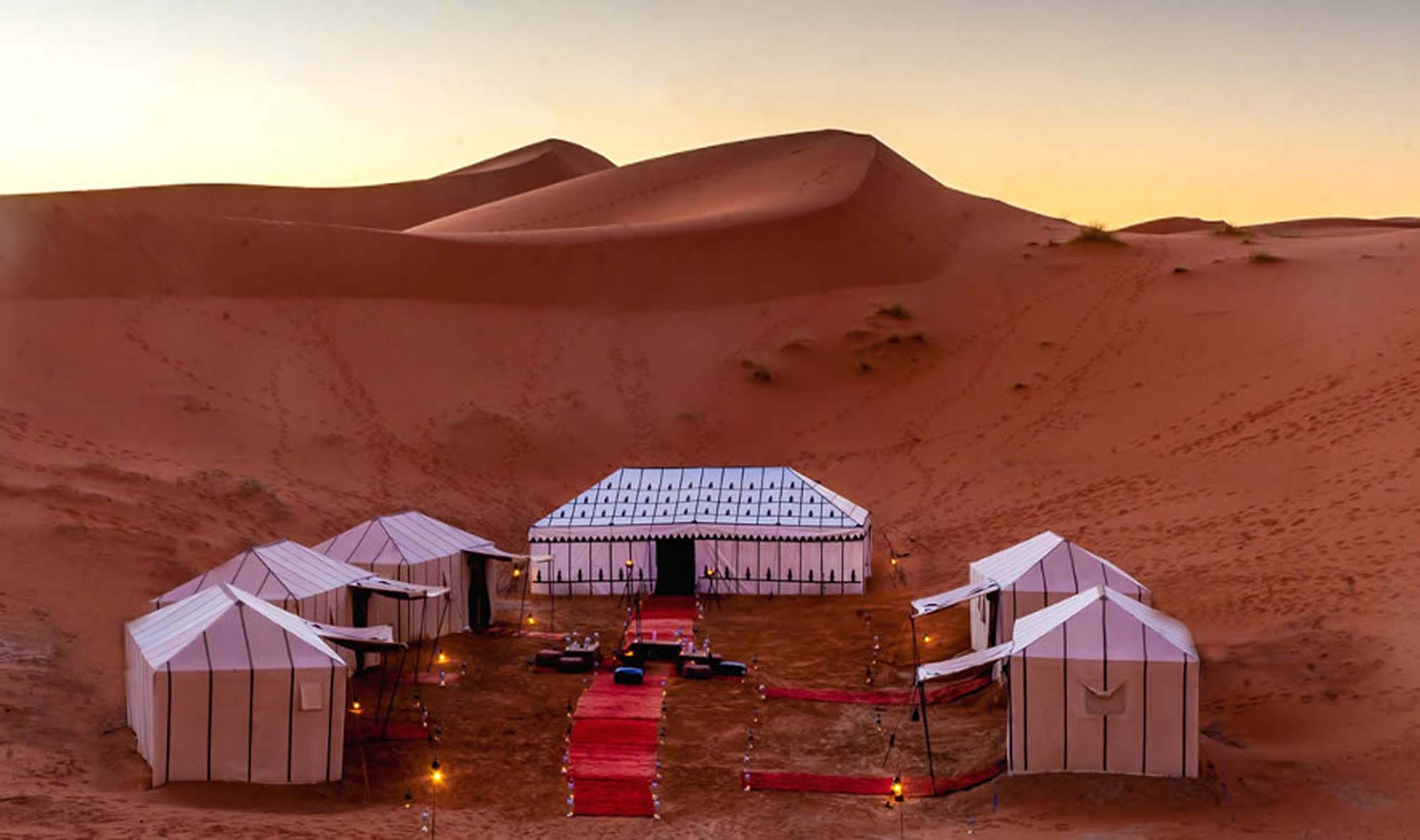
For desert travel with kids, comfort planning is essential. Choose a good camp with clean facilities and consider 4×4 transfers instead of long camel rides if that suits your family better. Additionally, schedule breaks on transfer days and keep at least one “slow day” in Marrakech or the coast. As a result, your itinerary becomes memorable for the right reasons—not exhausting.
Tours From Morocco :
Morocco Adventure Tours: Adding Hiking, Gorges, and Outdoor Days
If you want a more active trip, Morocco adventure tours can blend desert travel with hiking, canyon walks, and Atlas experiences. Todra Gorge and Dades Valley are great for gentle walking and dramatic scenery, while the High Atlas (Imlil region) offers day hikes and village walks with local guides. These experiences add energy and variety, especially for travelers who don’t want their Morocco itinerary to be “cities only.”
However, adventure needs recovery time, particularly in a 10-day or 14-day plan that already includes long drives. Therefore, choose one or two signature outdoor activities rather than trying to hike every day. With smart pacing, adventure travel becomes a highlight rather than a source of fatigue.
Morocco Itinerary Option 1: 7 Days (Best “First Taste” Route)
This 7-day Morocco itinerary is designed for travelers who want culture, a desert-style experience, and Marrakech energy without trying to cover the entire country. It works best if you fly into Marrakech or Casablanca and fly out of Marrakech, or if you do a loop that returns to your starting city. Because 7 days is short, you must choose between the deep Sahara (Merzouga) or a shorter desert experience near Marrakech.
A practical 7-day structure is Marrakech (2–3 nights) + Atlas/kasbah corridor + desert segment + return to Marrakech. If you want the real dunes of Merzouga, you’ll spend more time driving, so consider a guided route or Marrakech desert tours designed for efficiency. As a result, you still get an iconic desert night, but you keep the itinerary realistic for one week.
Sample 7-day plan (summary):
- Day 1–2: Marrakech (medina + key sites)
- Day 3: Aït Ben Haddou + Ouarzazate area
- Day 4: Dades Valley / Todra region
- Day 5: Merzouga dunes + camp night (or alternative shorter desert near Marrakech if time is tight)
- Day 6: Return via scenic stops
- Day 7: Marrakech departure
Morocco Itinerary Option 2: 10 Days (Classic Cities + Sahara + Marrakech)
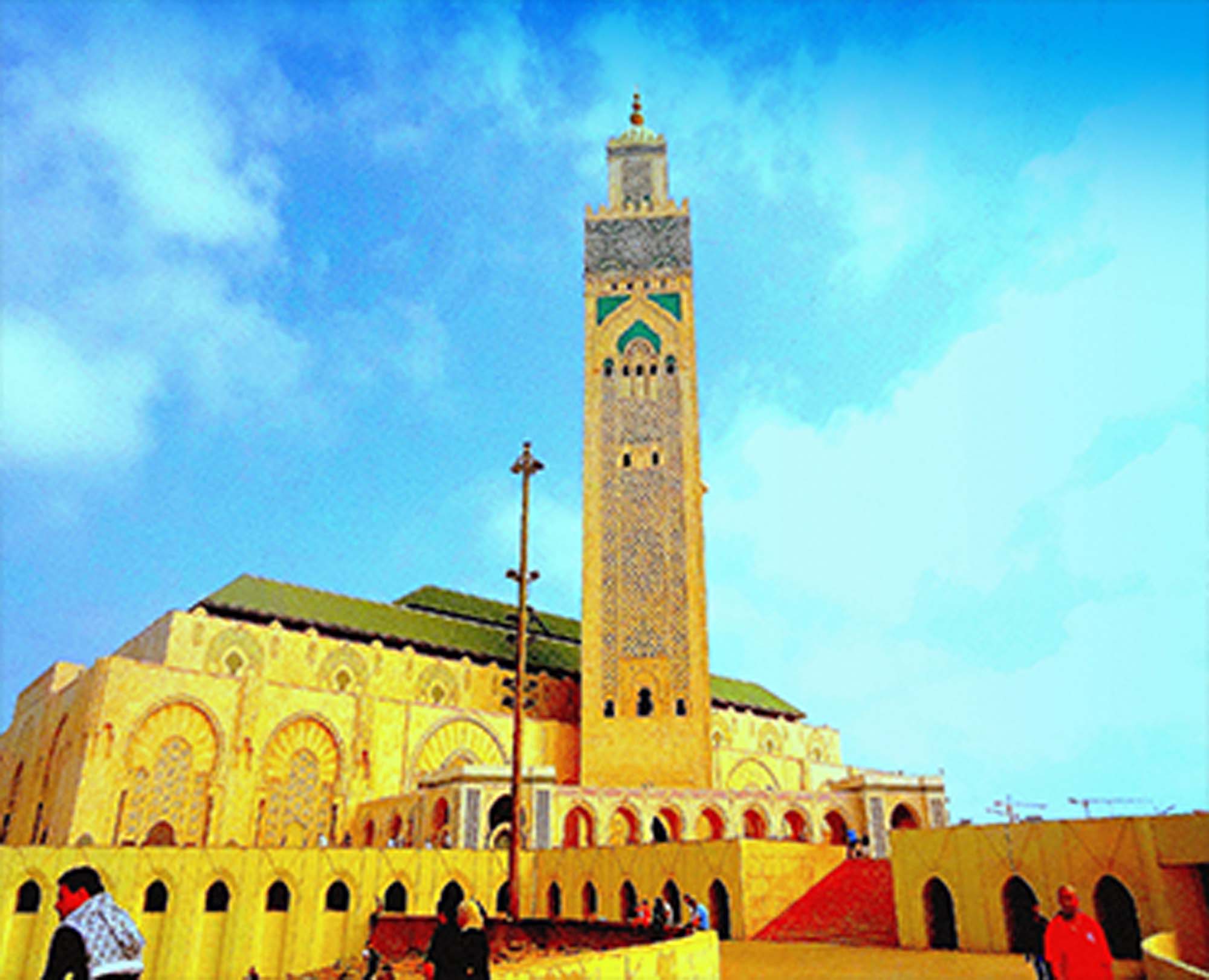
If you want the most balanced “first full Morocco” route, 10 days is ideal. The classic flow is Casablanca → Fes → Merzouga (Sahara) → Dades/Todra → Aït Ben Haddou → Marrakech. This route is popular because it is geographically logical, includes Morocco’s strongest contrasts, and avoids heavy backtracking. It also fits well with tour formats like Small Group Morocco Tours and private custom routes.
In 10 days, you can still protect time in the most important cities. Spend at least one full day in Fes with a local guide, and at least one full day in Marrakech to avoid feeling rushed. Then use the desert segment as your “big landscape experience,” choosing either Morocco desert tours from Fes or a route that finishes in Marrakech. Consequently, you get a complete travel story: modern gateway, historic medina culture, desert dunes, valleys, and vibrant Marrakech.
Sample 10-day plan (summary):
- Day 1: Casablanca
- Day 2: Rabat → Fes
- Day 3: Fes (guided medina day)
- Day 4: Fes → Middle Atlas → Ziz Valley → Merzouga
- Day 5: Merzouga (sunrise + desert experiences)
- Day 6: Merzouga → Todra Gorge → Dades Valley
- Day 7: Dades → Aït Ben Haddou → Marrakech
- Day 8–9: Marrakech (culture + souks + rest)
- Day 10: Departure (Marrakech or return to Casablanca)
Morocco Itinerary Option 3: 14 Days (North + Fes + Sahara + Coast)
With 14 days, you can add the north or the Atlantic coast without destroying pacing. A highly coherent route is Tangier → Chefchaouen → Fes → Sahara → Marrakech → Essaouira (or coast) → Casablanca departure. This route naturally supports Desert Tours from Tangier, because you begin in the north and move south in a straight travel story. It also gives you enough time for a calmer city experience rather than “one-night stops.”
In two weeks, you can also include more intentional cultural experiences: cooking classes, artisan workshops, hammams, and slower medina mornings. If you want Authentic Morocco Travel Experiences, this is where Morocco starts to feel “lived” rather than “visited.” Moreover, 14 days gives you a better chance to choose comfort options—like better desert camps and well-located riads—without being forced into rushed schedules.
Sample 14-day plan (summary):
- Day 1–2: Tangier
- Day 3–4: Chefchaouen
- Day 5–6: Fes
- Day 7–8: Sahara (Merzouga + camp)
- Day 9: Todra/Dades
- Day 10: Aït Ben Haddou → Marrakech
- Day 11–12: Marrakech
- Day 13: Essaouira
- Day 14: Casablanca departure (or fly out from Marrakech)

Morocco Itinerary Option 4: 3 Weeks in Morocco Itinerary (Best “Complete Morocco” Experience)
A 3 weeks in Morocco itinerary is where Morocco becomes truly immersive. You can slow down, add rest days, stay longer in the desert region, and include both north and coast comfortably. This is also the best timeline for travelers who want multiple “textures” without rushing—imperial cities, the Sahara, the Atlas, and the Atlantic, plus time for real cultural learning.
A strong 21-day route often looks like: Casablanca/Rabat → Tangier/Chefchaouen → Fes → Sahara → valleys/kasbah corridor → Marrakech → Essaouira/coast → return to Casablanca or fly out from Marrakech. Additionally, with three weeks you can add a dedicated Atlas stay (Imlil) or an extra desert night to reduce driving pressure. Consequently, this is the best choice for travelers who want depth, comfort, and the most authentic rhythm.
Sample 21-day plan (summary):
- Days 1–3: Casablanca + Rabat
- Days 4–6: Tangier + Chefchaouen
- Days 7–9: Fes + nearby day trip
- Days 10–12: Sahara segment (Merzouga)
- Days 13–14: Todra/Dades + valley experiences
- Days 15–18: Marrakech + Atlas day trip or overnight
- Days 19–20: Essaouira (or coast)
- Day 21: Departure logistics
Choosing the Best Morocco Tours for Your Itinerary (Simple Checklist)
If you’re looking for the best Morocco tours, prioritize transparency and pacing over marketing language. Ask for a written itinerary with clear overnight locations, estimated drive times, and exact inclusions. Then confirm camp details (bathroom type, bedding, heating in winter) and verify whether local city guides are included in places like Fes and Marrakech, where a licensed guide can transform the experience.
Also, match the tour style to your travel style. Choose Morocco Small Group Tours if you want value and a social vibe, and choose custom Morocco tours or tailor made Morocco tours if you want flexibility and control. If you want authenticity, look for Authentic Small Group Morocco Tours that clearly limit group size and avoid forced shopping stops. As a result, your itinerary feels smooth, respectful, and worth the time you invested.
Costs: What Your Morocco Itinerary Usually Depends On
Morocco budgets vary widely because transport and desert comfort level are the biggest cost drivers. City travel by train plus riads can be affordable, while private vehicles for long distances and luxury desert camps increase costs quickly. Therefore, most travelers get the best value by investing in safe transport and a good desert camp, then choosing mid-range riads in cities.
Small group travel often provides the strongest “cost-to-quality” ratio because you share transport while still enjoying curated accommodation. Private travel costs more, but it can save time, reduce stress, and improve comfort—especially for families. Consequently, your budget should follow your priorities: if the desert is the highlight, spend more there; if city culture is the highlight, spend more on central riads and licensed guides.
Packing for Morocco (Especially If You Include the Sahara)
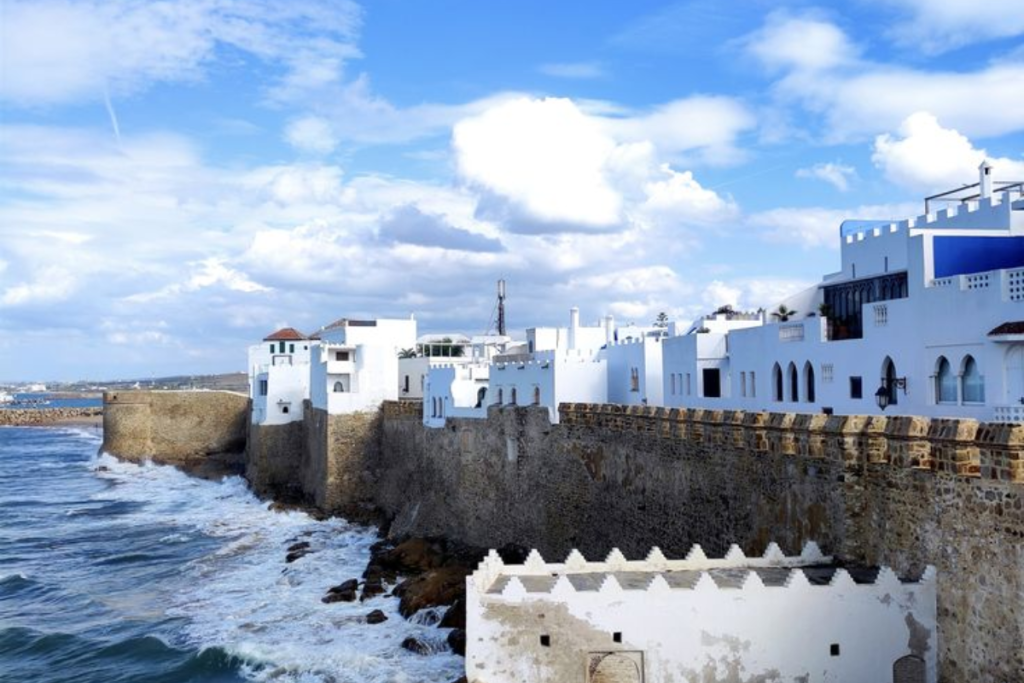
Pack for temperature swings, not just daytime heat. Even in warm seasons, desert nights can be cool, and mountain areas can be chilly. Bring a warm layer, comfortable walking shoes for medinas, sunscreen, sunglasses, and lip balm. A scarf is also useful for sun, wind, and occasional dust, especially on desert and valley roads.
For the desert camp, keep a small overnight bag with toiletries, wet wipes, a portable charger, and a headlamp/flashlight. Large luggage is sometimes transported separately or stays in the vehicle, so you need quick access to essentials. As a result, packing correctly is one of the easiest ways to upgrade comfort without changing your itinerary.